
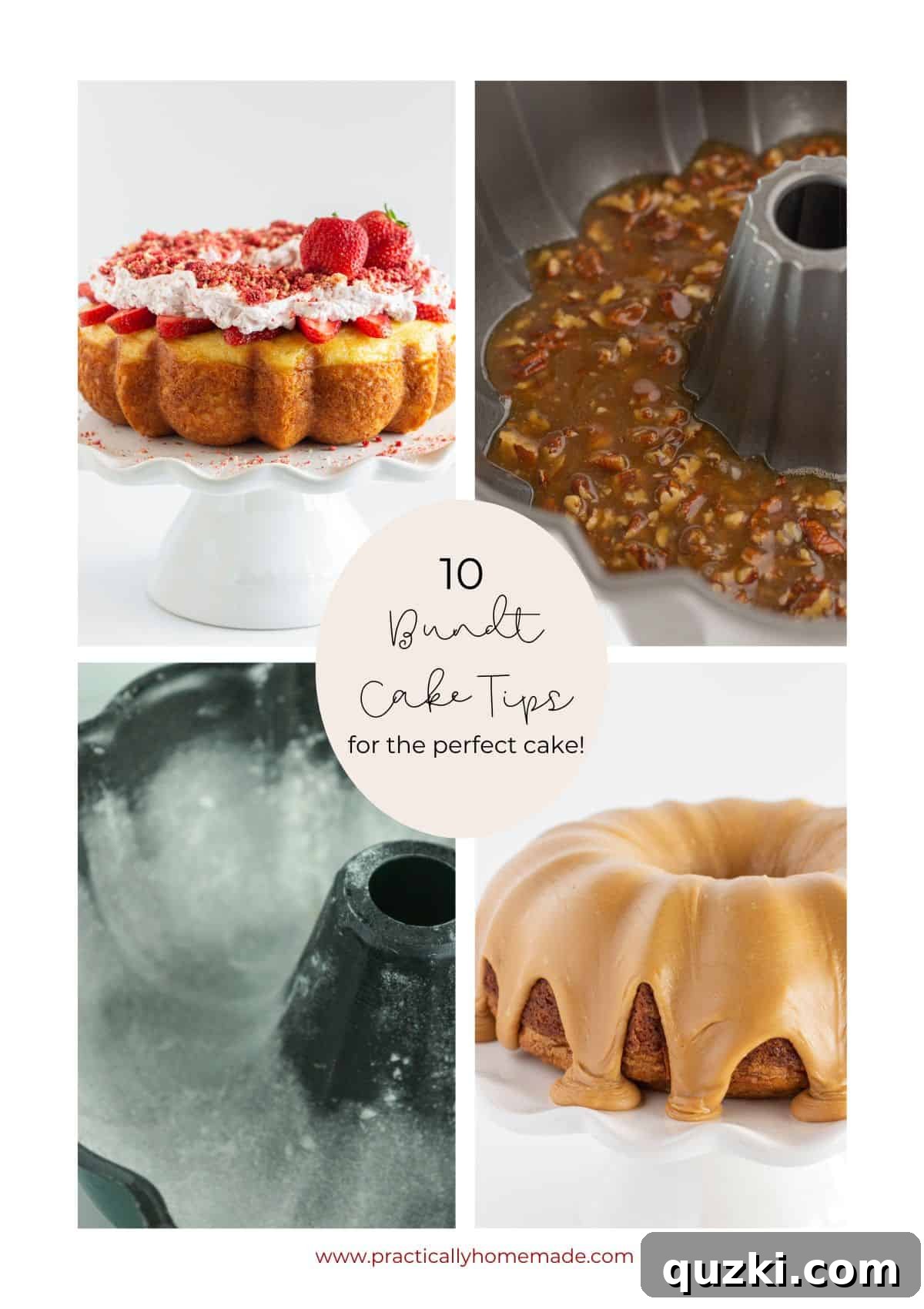
Dreaming of baking a show-stopping cake that impresses everyone, yet requires no advanced decorating skills? The elegant Bundt cake is your perfect answer! With its distinctive fluted design, a Bundt cake naturally transforms simple batter into a masterpiece. This comprehensive guide shares all my essential Bundt cake tips and tricks, designed to make your baking journey smoother and ensure a flawlessly delicious cake every single time.
Table of Contents
- What Makes a Bundt Cake So Special?
- 10 Tips for a Flawless and Easy Bundt Cake
- Bundt Cake FAQs
- Love Bundt Cakes? Explore Our Favorite Recipes!
What Makes a Bundt Cake So Special?
The Bundt cake stands out in the world of baking not just for its unique appearance but also for its exceptional qualities that appeal to both bakers and eaters. Its deeper, intricate design isn’t merely for show; it plays a crucial role in how the cake bakes and tastes. The fluted pan encourages even heat distribution, resulting in a beautifully golden-brown crust on the outside while keeping the interior incredibly moist and tender. This unique baking environment is particularly perfect for denser cake recipes, such as pound cakes, allowing them to bake thoroughly without drying out.
What truly sets a Bundt cake apart is its inherent elegance. You don’t need years of pastry school or a steady hand for piping elaborate designs. The pan itself does all the decorating work for you, yielding a stunning, sculpted cake with minimal effort. This makes it an ideal choice for home bakers who want to create an impressive dessert for holidays, special occasions, or just a delightful family treat, without the stress of intricate adornment. It’s a testament to the fact that sometimes, simplicity in design can lead to the most breathtaking results.
10 Tips for a Flawless and Easy Bundt Cake
1. Choose a High-Quality Nonstick Bundt Pan
The foundation of any perfect Bundt cake is a reliable pan. Investing in a really good quality, nonstick Bundt pan (typically a 10 or 12-cup capacity) can truly be a game-changer. A premium pan ensures uniform baking and, most importantly, an effortless cake release. Many experienced bakers, myself included, swear by the Nordic Ware Bundt Pan for its consistent performance, durable non-stick coating, and ideal size for most recipes. An old, scratched, or low-quality pan with a compromised nonstick surface is a common culprit for cakes sticking and breaking apart, leading to frustration. If you notice your current pan is showing signs of wear or has lost its nonstick properties, it might be time for an upgrade.
Proper care also extends the life of your pan. Always wash your Bundt pan by hand using hot, soapy water and a soft rag or sponge. Harsh abrasive cleaners, scouring pads, or even running it through the dishwasher can degrade the nonstick coating over time, making it less effective. Treating your pan with care is one of the most crucial Bundt cake tips for long-term success and beautiful cakes.
2. Grease Your Pan at the Last Minute
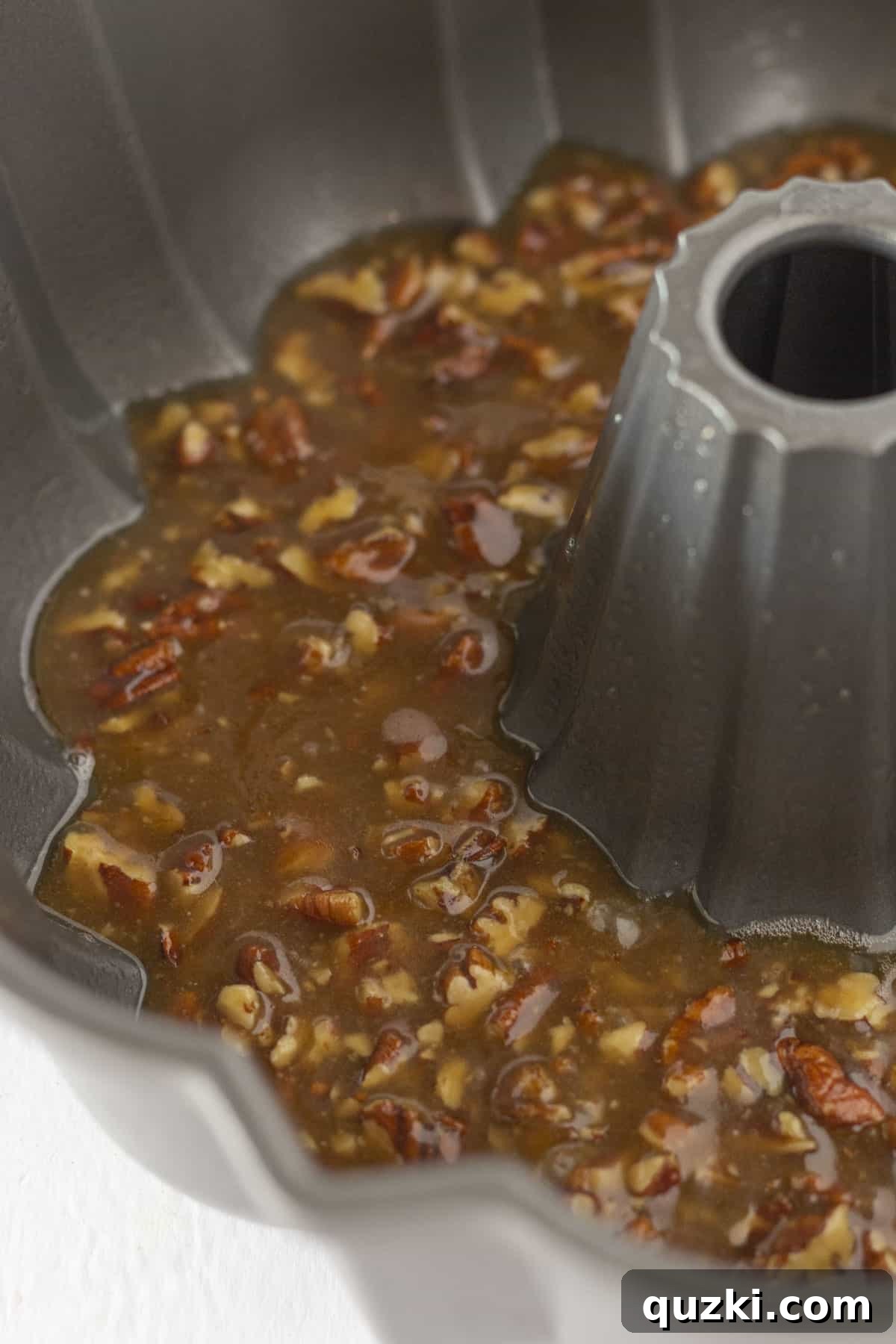
Timing is everything when it comes to greasing your Bundt pan. Resist the urge to prepare your pan too far in advance. If you apply a regular cooking spray too soon, gravity will cause it to pool at the bottom of the pan, leaving the intricate sides and crevices insufficiently coated. This pooling can create an uneven barrier, leading to sticky spots where the cake batter will stubbornly cling.
For the best results, wait until immediately before you’re ready to pour in the cake batter. This ensures the spray adheres evenly to all surfaces, reaching every nook and cranny. For an even more foolproof release, consider specialty baking sprays like Baker’s Joy or Pam Baking Spray with Flour. These products contain both oil and flour, creating a superior nonstick barrier. For pans with particularly intricate designs, or if you prefer a traditional approach, the butter and flour method is highly effective. Simply use room-temperature butter or shortening and a pastry brush to meticulously coat every detail of the pan. Then, generously dust the pan with all-purpose flour, granulated sugar, or cocoa powder, tapping out any excess. For chocolate cakes, cocoa powder is highly recommended as it prevents a white, floury residue from marring your cake’s beautiful dark finish. Granulated sugar provides a lovely, slightly crisp exterior and a subtle sweetness, enhancing almost any cake’s texture and flavor.
3. Ensure an Even Layer of Cake Batter
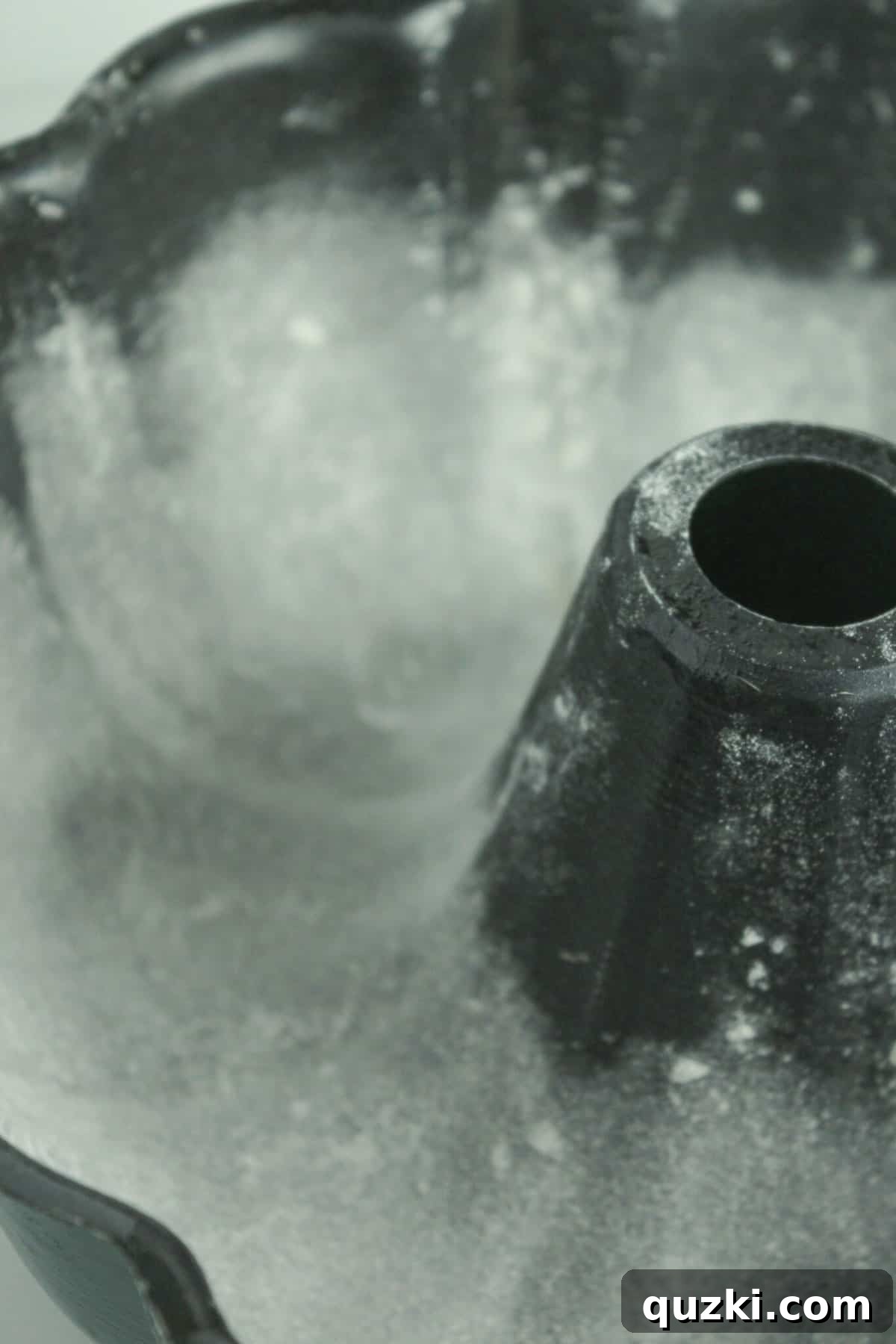
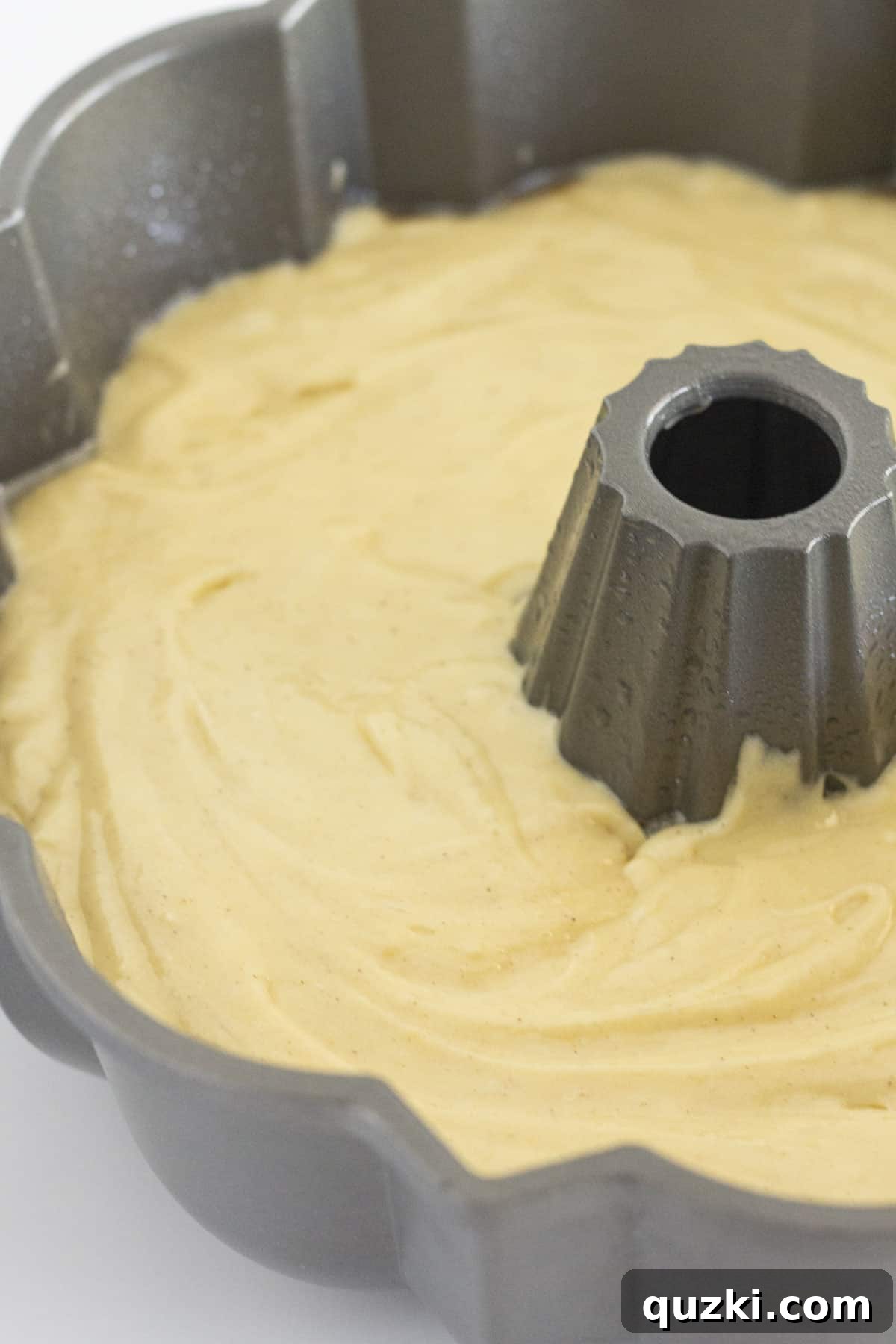
Achieving an evenly baked Bundt cake that rises beautifully and uniformly requires careful attention to how you distribute the batter in the pan. If the batter is unevenly spread, with some areas thicker or thinner than others, it will inevitably bake inconsistently. Thinner sections may overcook and dry out, while thicker parts might remain undercooked, leading to an undesirable texture. To avoid this, once you’ve poured the batter into your meticulously prepared Bundt pan, use a spatula or the back of a spoon to gently spread it out, ensuring an even layer around the entire mold and up the center tube.
An additional clever technique to promote even baking and a beautiful, flat base for serving is to gently tap the filled pan on your kitchen counter a few times. This simple action helps to settle the batter, release any trapped air pockets, and ensure that the cake rises uniformly in the oven. The result is a cake with a consistently moist crumb and a stable, level surface that sits perfectly on your serving plate, making presentation a breeze.
4. Do Not Overbake Your Cake
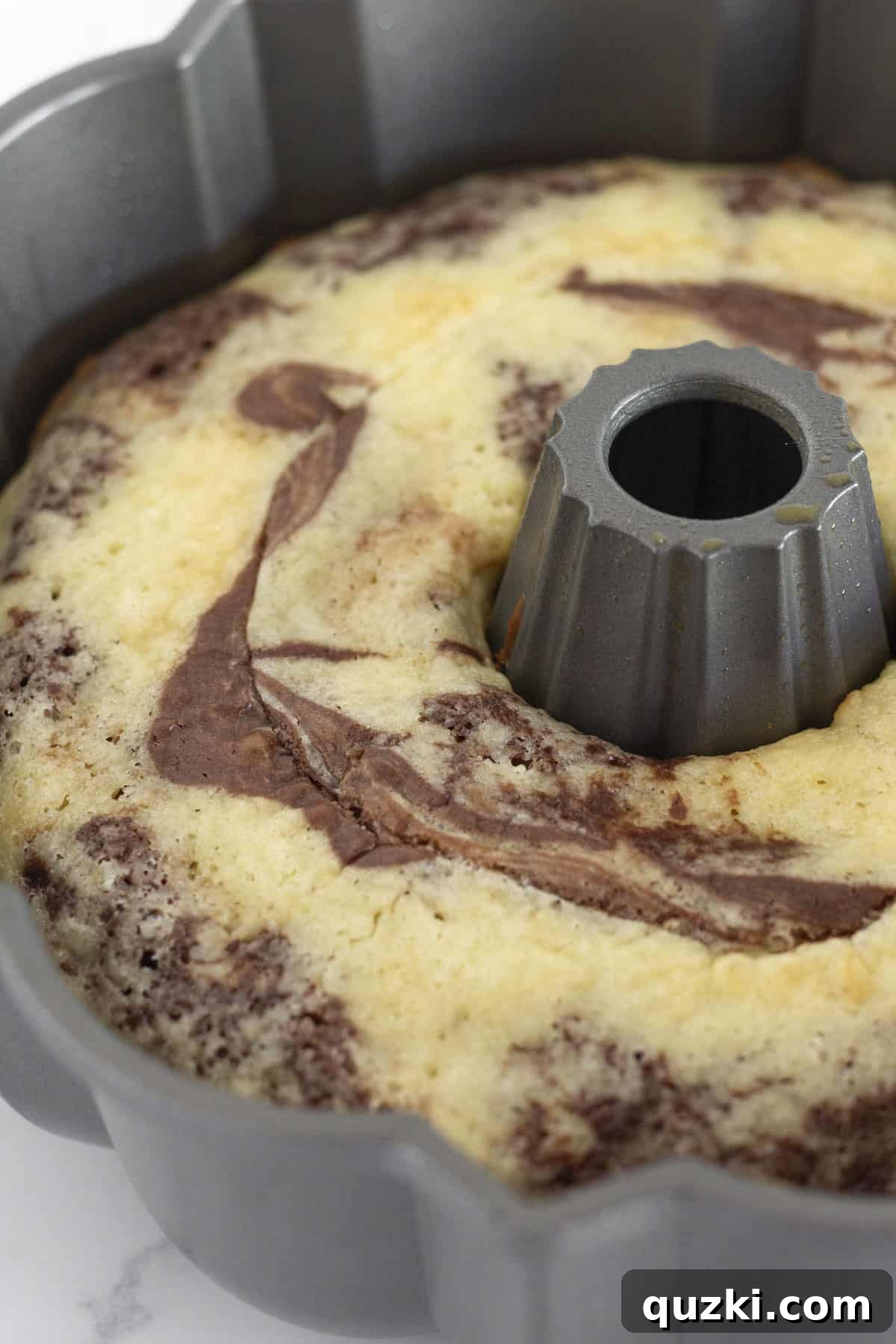
Overbaking is the arch-nemesis of a moist and tender cake, especially for Bundt cakes where the larger volume can make accurate doneness tricky. The golden rule for Bundt cakes is to avoid waiting until a toothpick inserted into the center comes out completely clean. Instead, aim for a few moist crumbs clinging to the toothpick – but no raw batter. This delicate balance ensures that your cake retains its internal moisture, resulting in a delightfully tender crumb every single time. As the cake cools, it will continue to cook slightly, reaching perfect doneness.
Another reliable indicator of doneness is the “spring-back” test. Gently press your finger into the top surface of the cake; if it springs back quickly and completely, your cake is likely finished. If your finger leaves an indentation, the cake needs another 5-10 minutes of baking time. Remember that Bundt cakes can vary significantly in baking time, ranging from 30 minutes to well over an hour, depending on the specific recipe, ingredients, and oven calibration. Patience and these doneness cues are key to baking a truly moist and perfect Bundt cake.
5. Allow Adequate Cooling Time in the Pan
The temptation to invert your freshly baked Bundt cake immediately upon removing it from the oven is strong, but resisting this urge is critical for its structural integrity. Attempting to unmold the cake too soon won’t give it sufficient time to set up and firm enough to naturally pull away from the pan’s intricate surfaces. Rushing this step almost guarantees that your beautiful cake will break or leave pieces stubbornly stuck inside the pan.
While specific recipes may suggest slightly different cooling times, a minimum of 10-15 minutes on a wire cooling rack is generally recommended for optimal results. This allows the cake to cool gradually, making it sturdy enough to handle. If, after the recommended cooling time, your cake doesn’t release easily when inverted, don’t panic. Gently use a thin, flat offset spatula or a slender skewer to carefully work around the edges and the center tube of the cake. This subtle prying action should help release any stubborn sticky spots, allowing the cake to drop out cleanly onto your serving plate or cooling rack.
6. Wait for Complete Cooling Before Topping
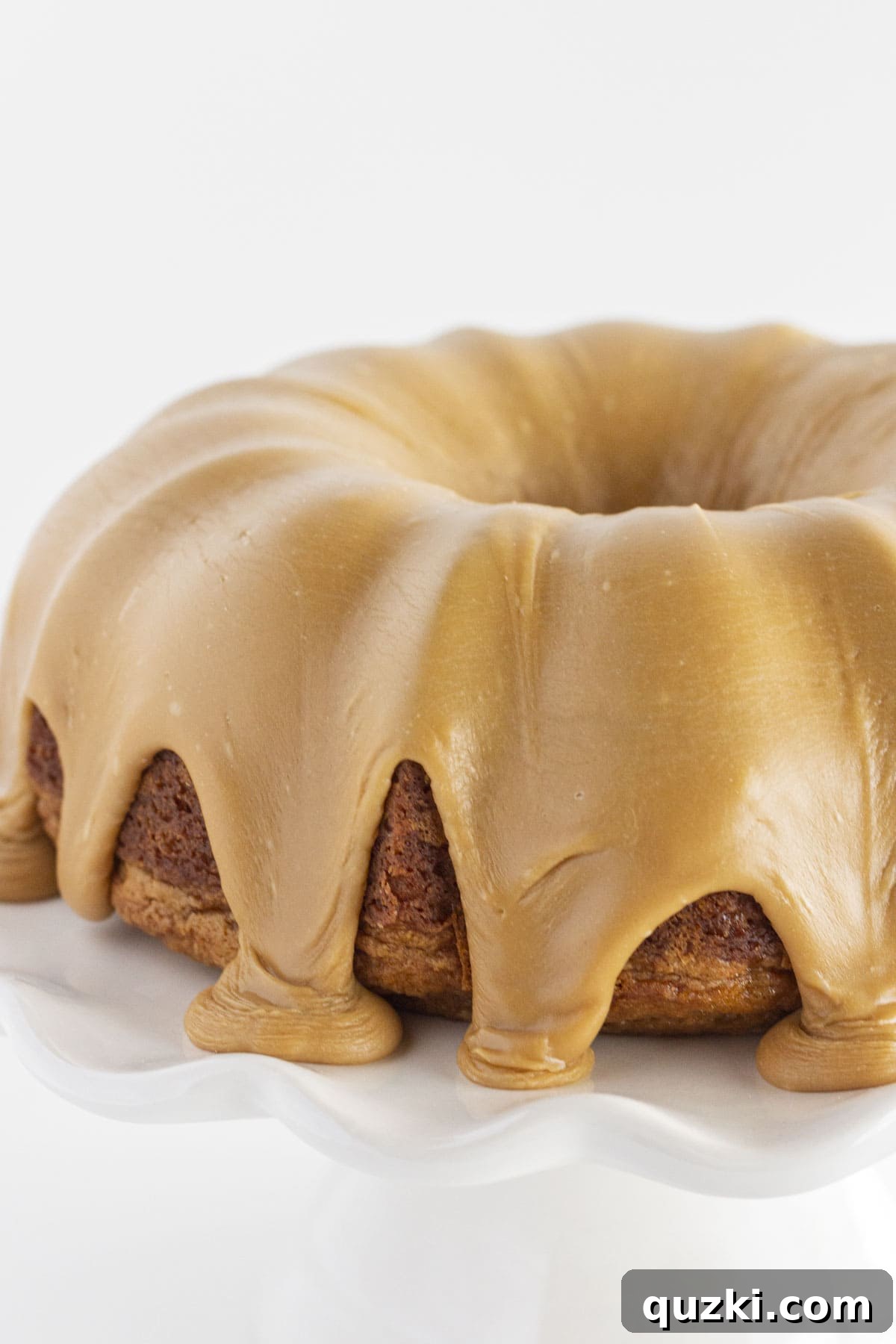
Just as rushing the unmolding process can lead to disaster, so too can adding frosting, glaze, or powdered sugar to a warm Bundt cake. The heat from the cake will cause most toppings to melt, creating a messy puddle rather than an elegant drizzle, or absorb into the cake itself, disappearing entirely. This not only ruins the aesthetic but can also make your cake soggy in places.
For a picture-perfect finish, ensure your Bundt cake is completely cooled to room temperature before applying any glazes, frostings, or a dusting of powdered sugar. If you find yourself in a hurry and need to expedite the cooling process, you can carefully transfer the cake (once it’s released from the pan) to the freezer or refrigerator for 15-25 minutes. This quick chill will bring its temperature down rapidly, allowing you to proceed with decorating sooner without compromising the integrity of your toppings.
7. Choose Your Toppings Wisely
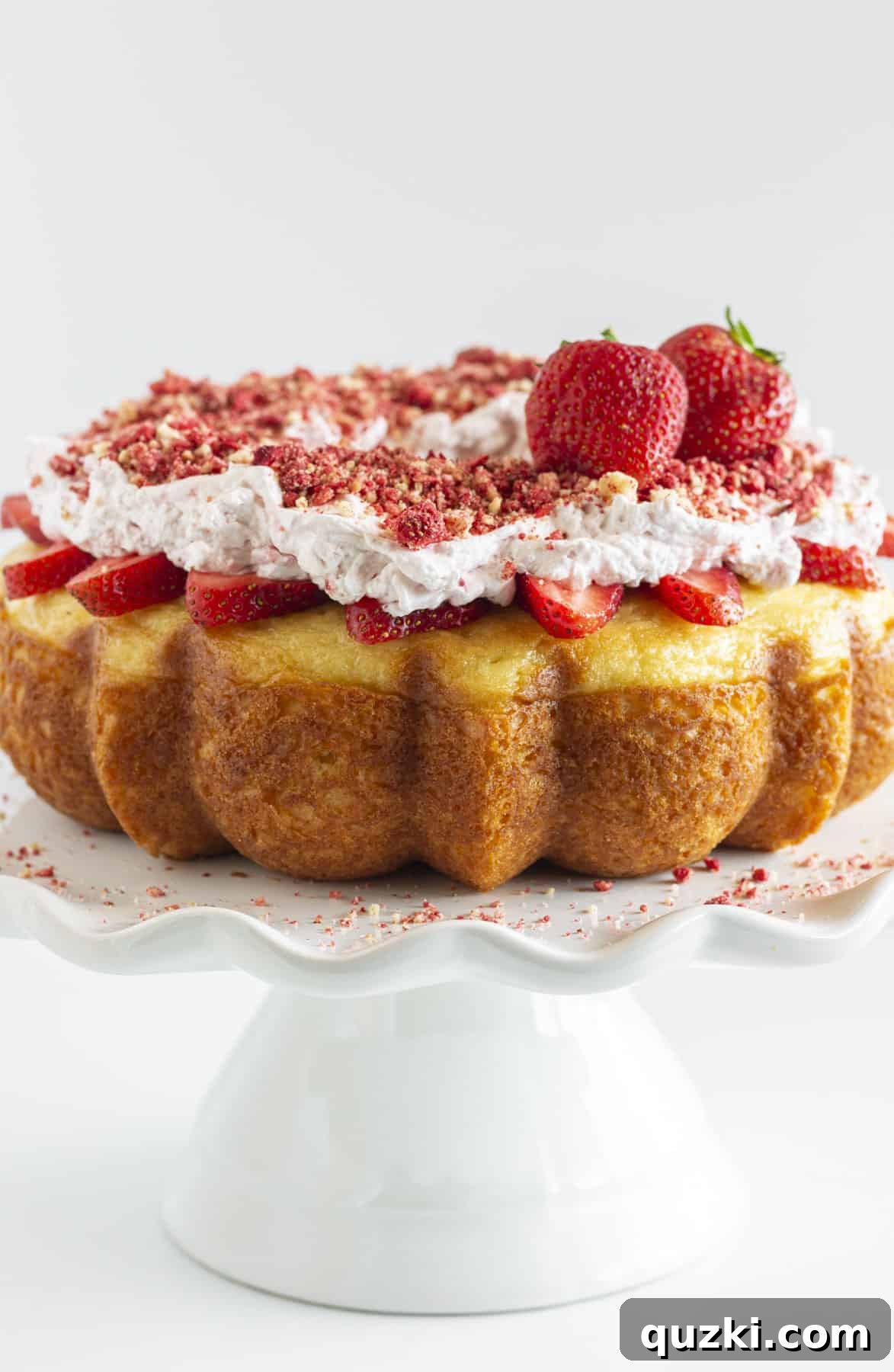
The beauty of a Bundt cake is its ability to shine with minimal decoration, but selecting the right topping can elevate it from simple to sublime. The ideal topping often depends on the type and density of your cake. Sturdier cakes, such as a rich lemon pound cake, can handle heavier, more substantial adornments. These robust cakes are perfect canvases for generous dollops of fresh fruit, a thick layer of cream cheese frosting, or even a decadent ganache. Their structure can support the weight and moisture without collapsing or becoming soggy.
Conversely, lighter or more delicate Bundt cakes, with a softer crumb, will benefit from more subtle embellishments. A simple dusting of powdered sugar, which adds a touch of elegance without overwhelming the cake, or a delicate vanilla glaze that complements the cake’s flavor without adding too much weight, are perfect choices. Consider the texture and flavor profile you want to achieve, ensuring your topping enhances, rather than detracts from, the cake’s natural charm. Thinking about contrast—a tart fruit topping on a sweet cake, or a creamy glaze on a spiced cake—can also lead to delicious combinations.
8. Embrace Creativity and Experimentation
Don’t fall into a baking rut! Bundt cakes offer a fantastic platform for creative expression. There are countless ways to amplify both the flavor and visual appeal of your cakes, transforming them from standard to spectacular.
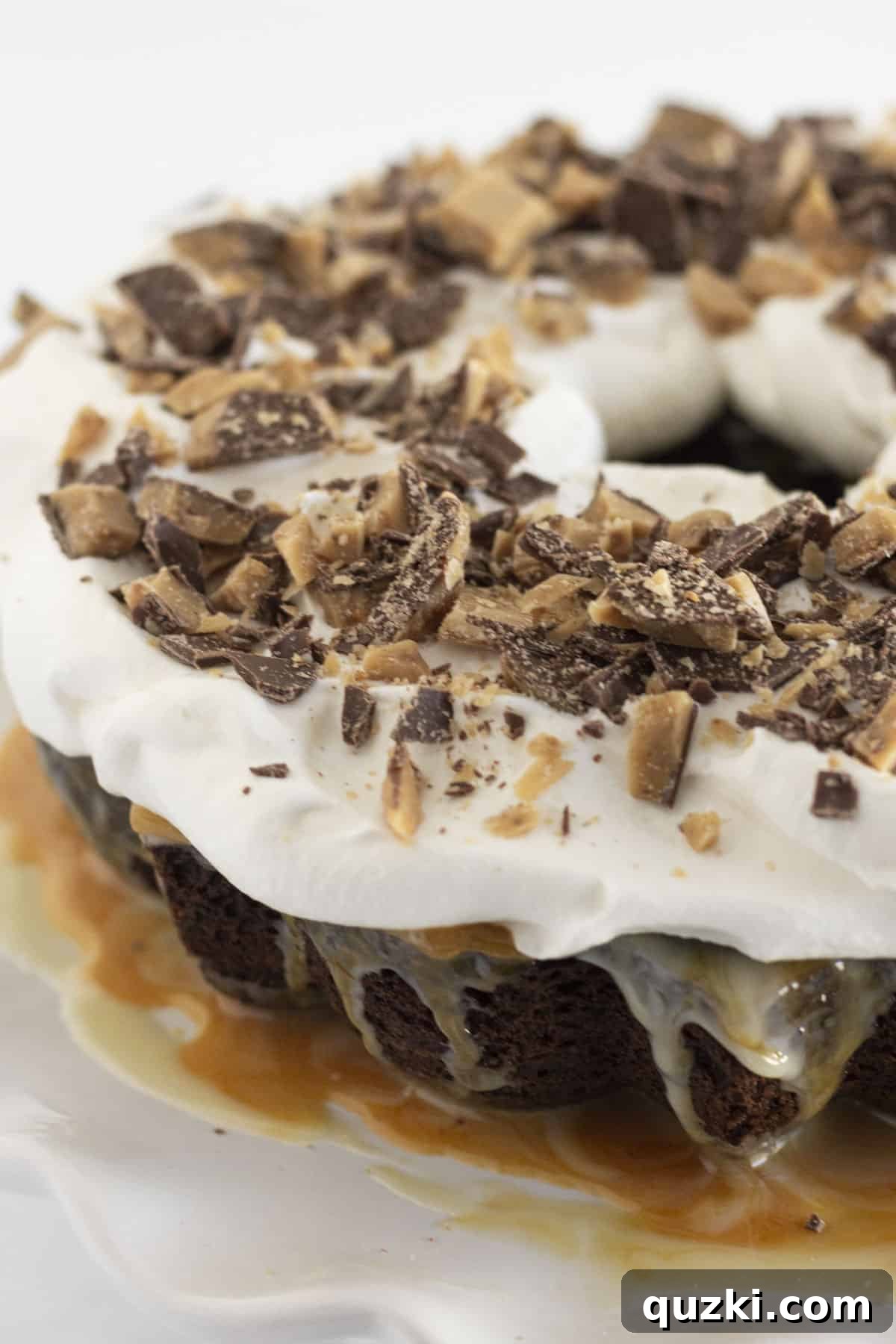
One exciting approach is to rethink presentation. Instead of always serving the cake right-side up, try using the bottom of the cake as the top! This often provides a larger, flatter surface area, creating more “real estate” for decadent toppings and elaborate designs. Cakes like this Better Than Anything Bundt Cake or a rich Tiramisu Bundt Cake truly shine with this inverted presentation, allowing for generous lashings of whipped cream, candy, or chocolate shavings.
Another fantastic way to innovate is by incorporating delicious fillings. You can add fillings either before or after baking. A classic example is creating a cheesecake swirl or adding a rich fruit compote before baking, as seen in this luscious Black Bottom Red Velvet Cake. The filling bakes right inside the cake, creating a delightful surprise layer of flavor and texture with every slice.
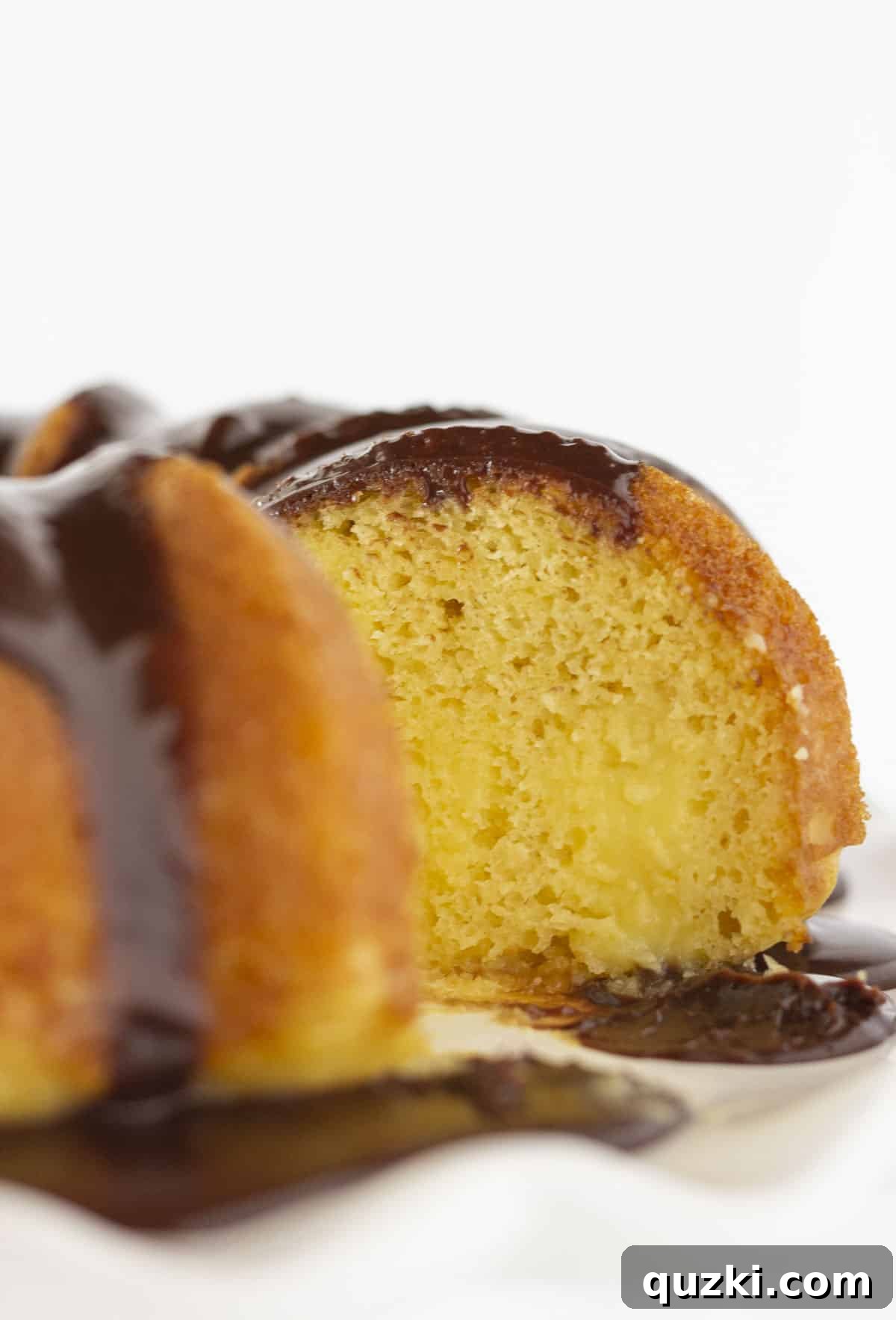
For an after-baking treat, consider filling your Bundt cake by “poking” holes and pouring in a liquid or creamy concoction. This Boston Cream Pie Poke Cake uses a decadent pudding to infuse moisture and flavor deep into the cake, but you can also use fruit jell-o, sweetened condensed milk, or rich caramel sauce. These fillings soak into the cake, making it incredibly moist and flavorful.
Don’t forget the charm of mini Bundt cakes! These individual servings are incredibly fun to make and always a hit at parties or brunches. They offer a delightful presentation and allow everyone to enjoy their own perfectly portioned dessert. Recipes like these Mini Chocolate Bundt Cakes and Mini Lemon Bundt Cakes are not only adorable but also incredibly satisfying to bake and share.
9. Don’t Hesitate to Take Help Where You Can
Baking from scratch is wonderful, but there’s absolutely no shame in embracing clever shortcuts to create delicious Bundt cakes, especially when time is of the essence. Boxed cake mixes are a fantastic starting point and can be transformed into something truly extraordinary with just a few simple additions. “Doctoring” a cake mix by incorporating ingredients like sour cream, buttermilk, extra egg yolks, or even a packet of instant pudding mix can dramatically enhance its flavor, moisture, and texture, giving it a rich, homemade quality. These additions work magic, making the cake denser, moister, and incredibly tender – trust me, nobody will ever guess it started from a box!
Another ingenious hack involves store-bought frosting. Did you know you can easily turn it into a pourable glaze? By simply warming a can of frosting in the microwave and thinning it slightly with a touch of milk or cream, you can create a smooth, glossy glaze that drapes beautifully over your Bundt cake. This simple trick, detailed in recipes like our Black Bottom Bundt Cake, saves time without sacrificing taste or presentation. Embrace these smart shortcuts to enjoy more baking with less fuss.
10. Don’t Stress if Things Don’t Go Perfectly
Even seasoned bakers encounter occasional mishaps, and a Bundt cake that sticks in places can be a common occurrence. The most important Bundt cake tip is this: don’t stress! Sometimes, despite following every instruction perfectly, a small section might cling to the pan. When this happens, there are several clever ways to salvage your beautiful creation.
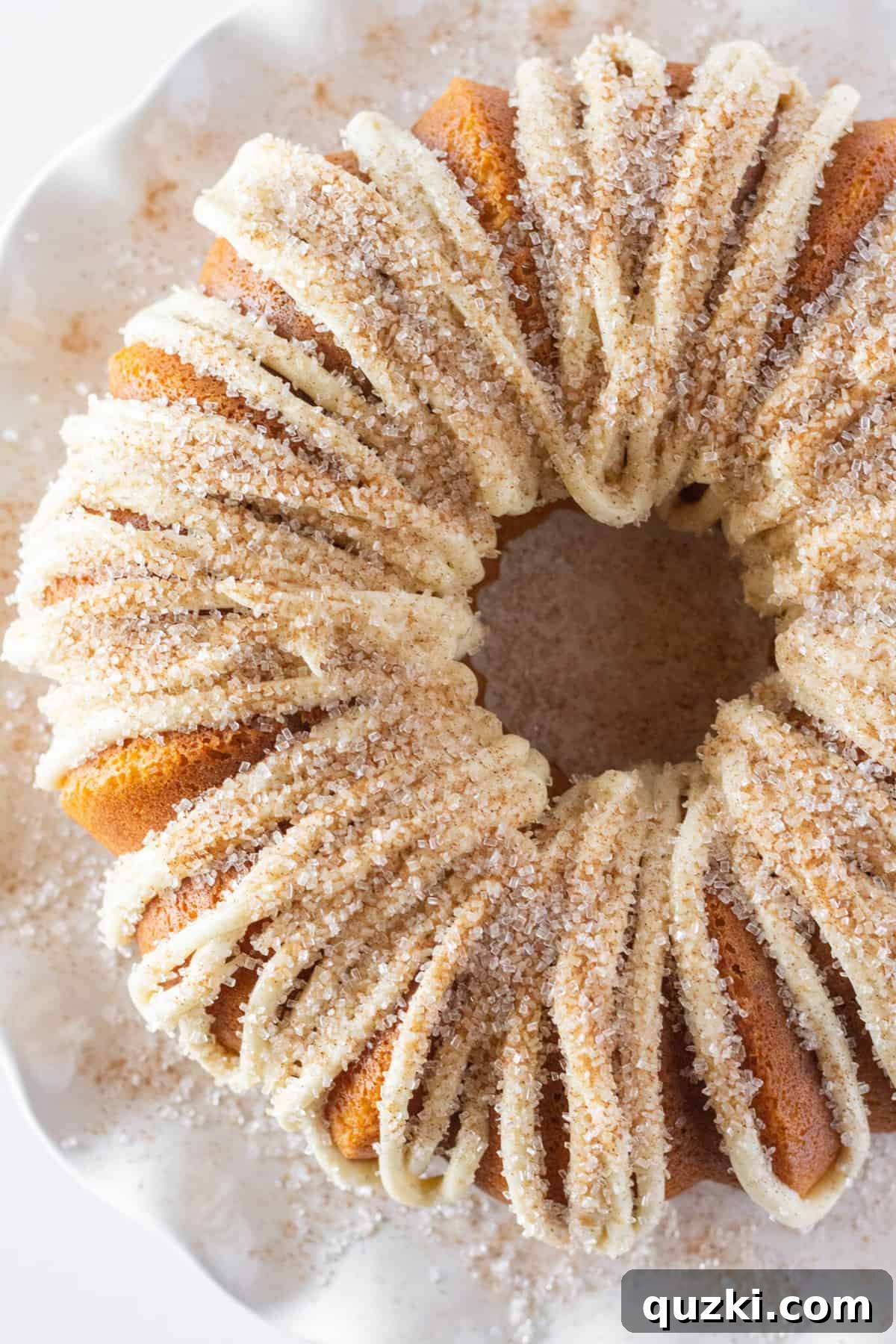
Firstly, if it’s a small break or a few stuck pieces, gently use your fingers or a small offset spatula to retrieve them from the pan and carefully reattach them to the main cake. Oftentimes, these minor imperfections are barely noticeable. If the patch-up is a bit more obvious, this is where a thick, luscious glaze or a generous layer of frosting becomes your best friend. A rich topping can effortlessly cover any visible flaws, turning a minor mistake into a delicious design element.
As a last resort, if your Bundt cake is severely damaged or refuses to unmold cleanly, all is not lost! Repurpose it into an entirely new, equally delightful dessert. Remove the cake from the pan, cut it into pieces or crumble it, and layer it with other complementary ingredients in a glass dish to create an amazing trifle. Think layers of cake, whipped cream, fresh fruit, pudding, or custard. This ingenious transformation will not only hide any imperfections but will also create a stunning dessert that no one will ever suspect was born from a “baking fail.”
Bundt Cake FAQs
For most Bundt cake recipes, a 10-cup or 12-cup Bundt pan is ideal. These sizes provide ample room for a generous amount of batter and allow the cake to rise properly during baking without overflowing. Using a pan that’s too small can lead to spillover, while one that’s too large might result in a shorter, less impressive cake.
My go-to choices are the versatile Nordic Ware Original Bundt Pan for everyday baking and their Mini Bundt Pan for charming individual servings. If you’re looking for a more elaborate and decorative finish, a pan with a more intricate design can create stunning visual impact.
Absolutely! My all-time favorite is a rich chocolate ganache. It’s incredibly simple to make with just two ingredients (chocolate and heavy cream) and can be warmed in the microwave until luxuriously creamy and smooth. It pairs perfectly with almost any cake, especially a vibrant White Chocolate Raspberry Bundt Cake.
While many cake recipes can be adapted for a Bundt pan, some work better than others. Recipes designed for sheet cakes or layer cakes often have a thinner batter and may not fill the intricate details of a Bundt pan as well, or might be too delicate for unmolding. Pound cakes, coffee cakes, and denser batters typically yield the best results in Bundt pans due to their sturdy structure. If adapting a recipe, ensure you have enough batter (usually around 6-8 cups for a 10-cup Bundt pan) and consider adjusting baking times as Bundt cakes often require longer baking than shallower cakes.
Most unfrosted Bundt cakes can be stored at room temperature, tightly covered in plastic wrap or an airtight container, for up to 3-4 days. If your cake has a cream cheese frosting, fresh fruit, or any dairy-based filling, it should be refrigerated. Always ensure the cake is completely cool before storing to prevent condensation, which can make it soggy.
Love Bundt Cakes? Explore Our Favorite Recipes!
Delicious Bundt Cake Creations and More
Once you’ve mastered these Bundt cake tips, unleash your inner baker with these delightful recipes!
Breads
Zesty Lemon Cake Mix Bread
Cakes
Easy Vanilla Sheet Cake Recipe
Desserts
Simple Homemade Birthday Cookie Cake
Desserts
Easy Homemade Mini Strawberry Shortcakes