
Are your baking aspirations being held back by a dwindling pantry? Perhaps you’ve got more time at home and a newfound urge to whip up delicious treats, only to find you’re missing that one crucial ingredient. Don’t let a trip to the grocery store, or its empty shelves, deter your culinary creativity! Now is the perfect moment to master the art of baking with what you have on hand.
This comprehensive guide on 10+ Common Baking Substitutes is designed to empower every home baker. We’ll explore simple, effective ingredient swaps that will save your recipes and ignite your passion for baking. You’ll be amazed at how easily you can adapt and create delightful desserts without a full arsenal of supplies. Keep scrolling for your FREE downloadable PDF guide filled with all the measurements and tips!
Unlock Your Baking Potential: Smart Substitutes for Common Ingredients
We’ve all been there: mid-recipe, only to discover you’re out of a key ingredient. In today’s world, where grocery store shelves can be unpredictable, knowing how to substitute baking ingredients isn’t just a convenience – it’s an essential skill. Many readers have reached out, eager to bake but frustrated by missing items. This guide is your answer to those baking dilemmas, transforming potential failures into delicious successes.
Forget about stopping your baking adventures just because one item is missing. With a little creativity and the right knowledge, there’s almost always a viable baking substitute ready to save the day. Let’s dive into the world of smart ingredient swaps and turn your kitchen into a hub of innovation.
Essential Baking Substitutes: Adapt and Conquer Your Recipes
Before we delve into specific ingredients, it’s important to understand a few general principles about substitutions. While many swaps are straightforward, some can affect the texture, flavor, or rise of your baked goods. Always be mindful of the primary role an ingredient plays in a recipe – is it for structure, moisture, leavening, or sweetness? With this in mind, you can confidently experiment and adapt.
Flour: The Foundation of Baking
Running out of flour can feel like a showstopper for any baking project. But fear not, there are clever ways around this. If you’re completely out of all-purpose flour, consider turning to cake or brownie mixes as ready-made bases. They contain flour along with other leavening agents and flavorings, making them excellent shortcuts. In fact, we have an entire section dedicated to Cookies, many of which are innovative Cake Mix Cookies. Not only are they incredibly delicious, but they also bypass the need for additional flour!
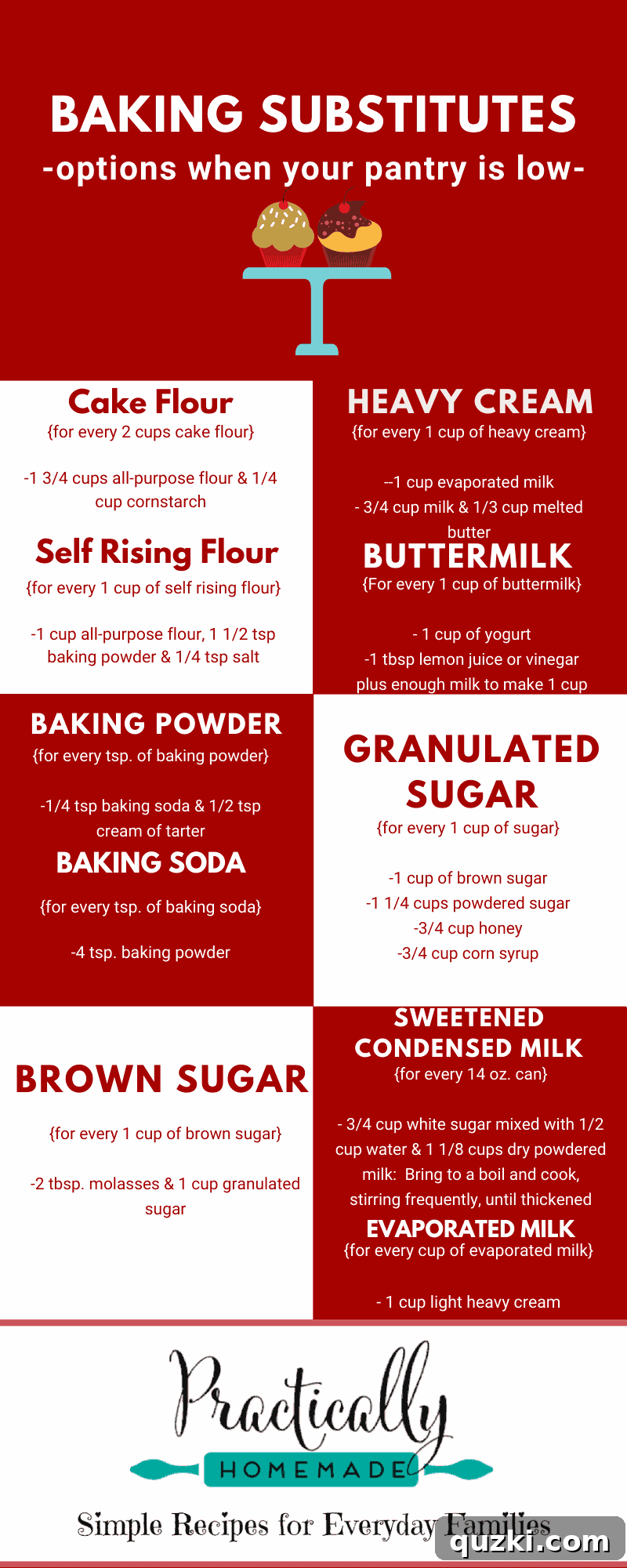
Beyond using mixes, you can also easily create specific types of flour from your standard all-purpose flour and other common pantry items. If your recipe calls for cake flour, which yields a tender, delicate crumb, you can make it yourself. Similarly, self-rising flour, popular in many Southern baking recipes, can be replicated. These homemade versions work remarkably well and can save you a trip to the store. For exact measurements and detailed instructions on how to prepare these flour varieties, be sure to grab the FREE PDF further down this page.
DIY Cake Flour:
For every cup of cake flour needed, measure out one cup of all-purpose flour. Remove two tablespoons of flour and replace them with two tablespoons of cornstarch. Sift together thoroughly. This mixture mimics the lower protein content of cake flour, resulting in a softer texture.
DIY Self-Rising Flour:
To make self-rising flour, combine one cup of all-purpose flour with 1 ½ teaspoons of baking powder and ¼ teaspoon of salt. Whisk everything together until well combined. This blend is perfect for recipes that specify self-rising flour, providing both structure and leavening.
Sugar: Sweet Solutions for Your Baking
Sugar provides more than just sweetness; it contributes to moisture, tenderness, browning, and structure in baked goods. When you’re low on a specific type of sugar, knowing how to substitute can make all the difference. Brown sugar and granulated sugar can often be swapped for each other in a pinch, but be aware that your final product might have slightly different characteristics.
Brown sugar, with its molasses content, tends to make baked goods chewier, moister, and browner more quickly. It’s ideal for recipes like these delightful Chocolate Chip Shortbread Cookies, where its rich flavor and soft texture are highlighted. Granulated sugar, on the other hand, often leads to a crispier texture and a lighter color, perfect for recipes such as these cheerful Confetti Sprinkle Cookies. When substituting, aim for a 1:1 ratio, but consider adjusting other liquids slightly if the texture feels off. Other sweeteners like honey, maple syrup, or corn syrup can also be used, but these require careful adjustments due to their liquid content and differing sweetness levels.

Beyond basic swaps, you can also substitute confectioners’ sugar for granulated sugar (use 1.75 times the amount and reduce other liquids) or even try a blend of molasses and granulated sugar to mimic brown sugar. Remember that slight variations in taste and texture are part of the adventure of baking with substitutes!
Baking Powder & Baking Soda: The Leavening Essentials
While both baking powder and baking soda are leavening agents that help baked goods rise, they function differently and are not always interchangeable directly. Baking soda is a pure alkaline compound that requires an acid (like buttermilk, vinegar, or citrus juice) to activate and produce carbon dioxide gas. Baking powder, on the other hand, is baking soda pre-mixed with an acid and a starch, making it a complete leavener that often only needs liquid to activate.
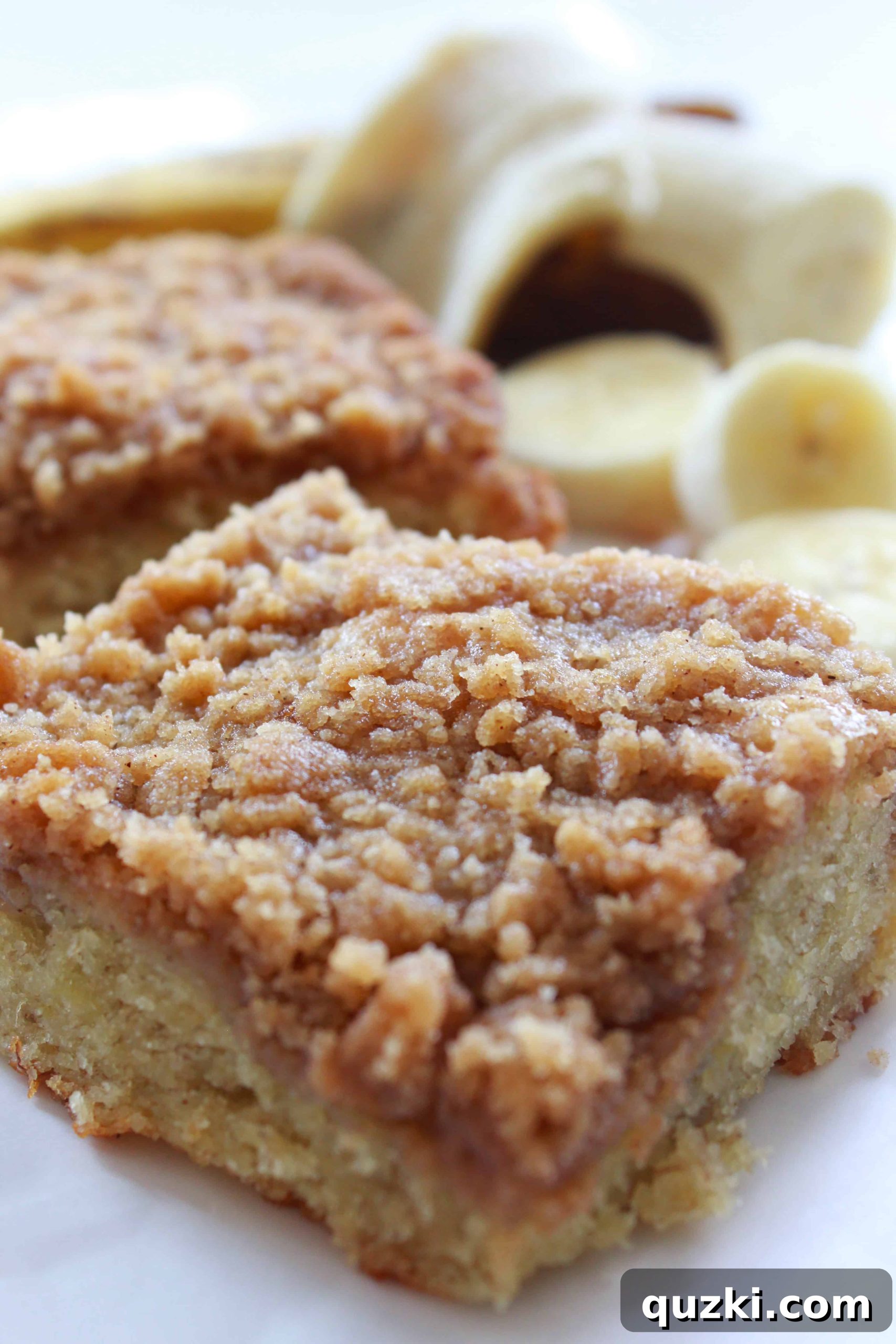
Substituting one for the other in exact quantities can lead to undesirable results – flat baked goods or a soapy taste. However, if you only have one on hand, there are clever ways to create a substitute. For instance, you can make your own baking powder if you have baking soda and cream of tartar. For all the precise details on how to manage these critical swaps, consult the FREE PDF below. Try making this fluffy Banana Crumb Cake when you have baking powder, or whip up a batch of the Best Soft Chocolate Chip Cookies, which wonderfully utilize baking soda.
Homemade Baking Powder:
To make one teaspoon of baking powder, combine ¼ teaspoon of baking soda with ½ teaspoon of cream of tartar and ¼ teaspoon of cornstarch (to prevent clumping). This mixture provides the necessary acid and base for leavening.
Heavy Cream: Richness Without the Rush
Heavy cream has become one of those elusive items on grocery store shelves, often disappearing as soon as the store opens. Its richness and versatility make it a staple for many recipes, from decadent desserts to savory sauces. Many of us don’t realize how frequently we use it until it’s simply not available!

The good news is that viable substitutes exist for baking and cooking, even if they won’t yield the stiff peaks needed for whipped cream. For many applications, you can create a suitable replacement right in your kitchen. A popular trick involves combining milk and melted butter. This mixture provides a similar fat content, adding richness to your dishes. It works perfectly in creamy soups, sauces, and many baked goods, such as a comforting bowl of Creamy Chicken Noodle Soup, where its texture and flavor blend seamlessly. The FREE PDF contains specific ratios to help you get the consistency right.
Easy Heavy Cream Substitute:
To replace one cup of heavy cream, melt ¼ cup of unsalted butter and gradually whisk it into ¾ cup of whole milk (or half-and-half if you have it). This substitute has a similar fat content and works well in most baking and cooking applications, though it won’t whip.
Buttermilk: The Secret to Tender Baked Goods
Buttermilk is renowned for lending a distinct tangy flavor and incredibly tender crumb to baked goods like pancakes, biscuits, and cakes. Many home bakers, including myself, rarely purchase it, preferring to make a quick substitute at home when a recipe calls for it. The process is incredibly simple and yields fantastic results every single time.

The trick involves adding a touch of acid to regular milk, which causes it to curdle slightly and mimic the properties of real buttermilk. This homemade version interacts beautifully with baking soda, creating light and airy textures. For precise measurements and instructions, refer to the FREE PDF. Once you master this simple swap, you’ll be able to bake delicious treats like these heavenly Crumb Cake Donuts anytime the craving strikes.
Simple Buttermilk Substitute:
To make one cup of buttermilk, pour one tablespoon of white vinegar or lemon juice into a liquid measuring cup. Fill the rest of the cup with milk (dairy or non-dairy) until it reaches the one-cup mark. Let it sit for 5-10 minutes until it slightly curdles. Use as directed in your recipe.
Sweetened Condensed Milk: The Dessert Dynamo
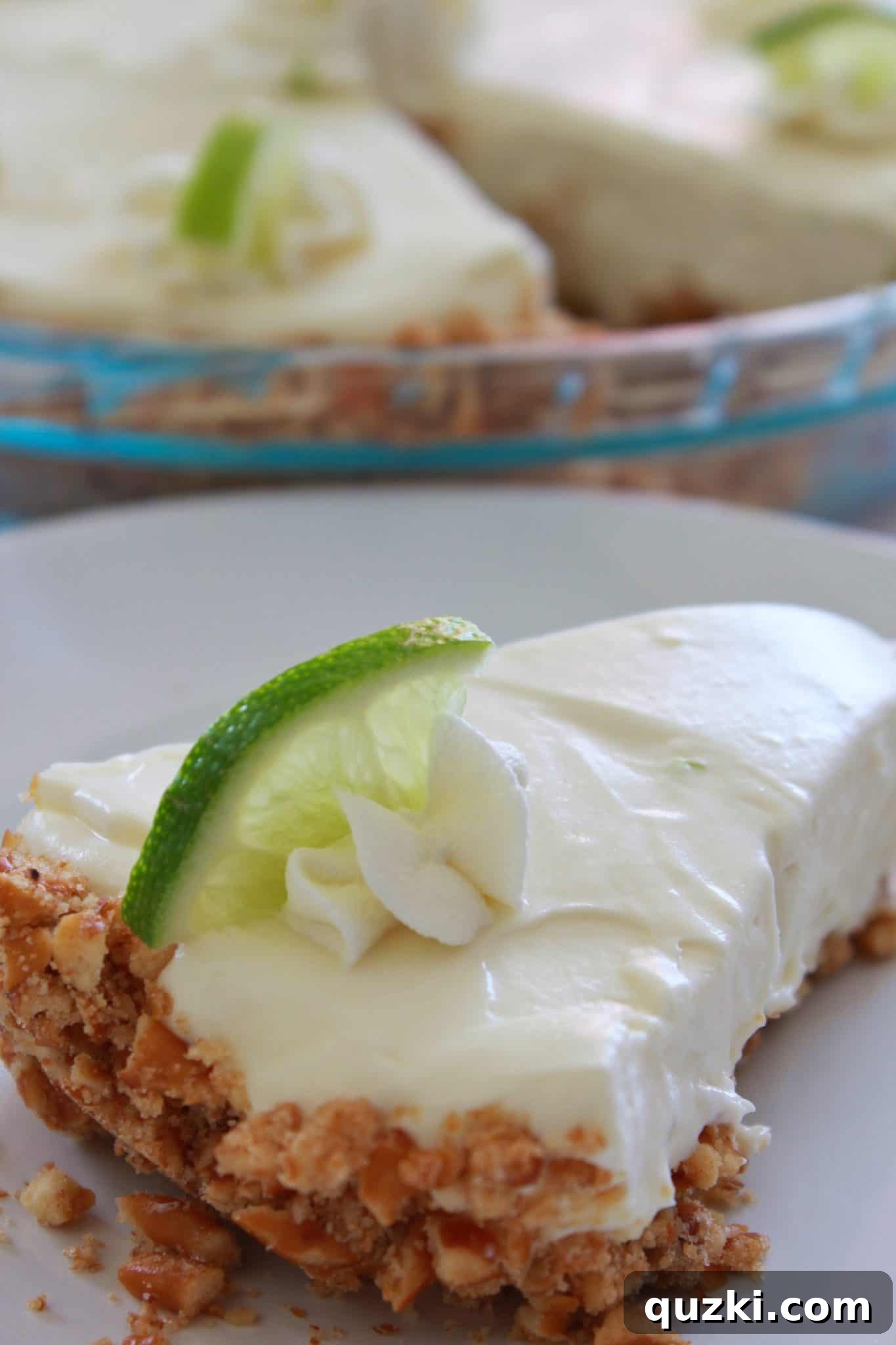
Sweetened condensed milk is a magical ingredient that brings rich sweetness and creamy texture to countless desserts, especially no-bake varieties and fudges. While making a substitute can be a little more involved than some other swaps, the effort is absolutely worth it. If it’s the difference between enjoying a slice of luscious No Bake Key Lime Pie or going without, then I say, absolutely go for it!
The process generally involves simmering milk and sugar until it thickens and reduces, concentrating the sweetness and creating that signature creamy consistency. It requires a bit of patience and stirring, but the result is a fantastic homemade alternative that will allow you to complete your favorite recipes.
Homemade Sweetened Condensed Milk:
To make your own, combine 1 cup of whole milk (or half-and-half) with 1 cup of granulated sugar in a saucepan. Bring to a simmer over medium heat, stirring frequently until the sugar dissolves. Reduce heat to low and continue to simmer, stirring occasionally, for 30-45 minutes, or until the mixture has reduced by about half and thickened to a syrup-like consistency. It will thicken more as it cools.
Evaporated Milk: A Versatile Canned Milk
Evaporated milk is another pantry staple that’s often used for its creamy texture in both sweet and savory dishes, especially in pies and casseroles. Fortunately, finding a substitute for evaporated milk is quite straightforward. Honestly, I believe that whole milk can often work wonders as a direct replacement, especially in recipes where its slightly thinner consistency won’t drastically alter the outcome.

If you need a slightly thicker consistency, or want to replicate evaporated milk more closely, you can also simmer regular milk to reduce it. This process concentrates the milk, removing some of its water content and making it thicker, much like its canned counterpart. You can easily test this substitute in comforting recipes like these charming Mini Pumpkin Pies, bringing a touch of comforting autumn flavors even in the spring.
DIY Evaporated Milk:
To make 1 cup of evaporated milk, simmer 2 ¼ cups of regular milk (whole or 2%) over medium-low heat, stirring occasionally, until it has reduced to 1 cup. This usually takes about 20-30 minutes. Let it cool before using.
More Common Baking Substitutes for Your Pantry Crisis
The world of baking substitutes extends beyond these core ingredients. Here are a few more common items you might find yourself missing, and simple ways to replace them:
Eggs: The Binding and Leavening Power
Eggs serve multiple functions in baking: binding ingredients, adding moisture, and providing leavening. When you’re out of eggs, several plant-based options can often step in. For each large egg, you can typically use:
- Flax Egg: 1 tablespoon ground flaxseed meal mixed with 3 tablespoons water, allowed to sit for 5 minutes until gel-like.
- Chia Egg: 1 tablespoon chia seeds mixed with 3 tablespoons water, allowed to sit for 5 minutes until gel-like.
- Mashed Banana: ¼ cup mashed ripe banana (adds flavor and moisture, best for muffins, quick breads).
- Applesauce: ¼ cup unsweetened applesauce (adds moisture, use with caution in delicate recipes).
- Commercial Egg Replacers: Follow package directions.
Butter: Flavor and Fat for Flaky Treats
Butter provides richness, flavor, and tender texture. If your butter dish is empty, consider these alternatives:
- Margarine or Shortening: A 1:1 ratio can often work, though flavor and texture might vary.
- Oils: Vegetable oil, canola oil, or coconut oil can replace butter in many recipes (use ¾ cup oil for every 1 cup butter), especially for cakes and muffins, but note that flavor will differ.
- Applesauce or Mashed Avocado: For healthier alternatives, use a 1:1 ratio for some or all of the butter, but be mindful of moisture and flavor changes.
Milk (Dairy): Creaminess and Hydration
Many recipes call for regular dairy milk, but if you don’t have it or prefer an alternative, there are plenty of choices:
- Non-Dairy Milks: Almond milk, soy milk, oat milk, or coconut milk (from a carton, not canned) can often be substituted 1:1 for dairy milk. Be aware that subtle flavor differences might be noticeable.
- Water: In some very basic recipes, water can be used, but it will reduce richness and flavor.
Vanilla Extract: The Universal Flavor Enhancer
Vanilla extract adds warmth and depth to nearly every sweet baked good. If you’re out:
- Almond Extract: Use half the amount of almond extract for a different but often pleasing flavor profile.
- Rum or Brandy: A small amount (½ to 1 teaspoon) can add a rich, warm note.
- Leave it out: While not ideal, leaving out vanilla extract won’t ruin most recipes; they’ll just lack that subtle layer of flavor.
Chocolate Chips: Sweet Morsels of Joy
Don’t let a lack of chocolate chips stop your craving for something chocolatey! Creativity is key here:
- Chopped Chocolate: Use any chocolate bar you have on hand – milk, dark, or white – and chop it into chip-sized pieces.
- Other Chips: Butterscotch, peanut butter, or white chocolate chips can provide a similar texture and a different flavor.
- Crushed Candy Bars or Cookies: Roughly chop up leftover candy bars or crush some cookies for a fun mix-in.
- Dried Fruit & Nuts: Add raisins, dried cranberries, chopped apricots, or your favorite nuts for texture and natural sweetness.
- Omit Them: If chocolate isn’t essential to the structure or purpose of the recipe, sometimes it’s perfectly fine to leave them out altogether, as my Darb’s favorite thing to do!
Here is your invaluable resource: the FREE Baking Substitutes PDF. This printable guide is perfect for keeping in your kitchen for quick reference. I sincerely hope this collection of baking substitutes helps you navigate any ingredient shortages and empowers you to keep baking without stress.
Should you be looking to make even healthier choices in your baking, I’ve also got you covered with a separate guide on Healthier Baking Substitutes.
Happy Baking and Stay Well!
No matter what ingredient challenges you face, these common baking substitutes are here to help you get back on track and continue creating delicious memories in your kitchen. Remember, baking is an art form, and sometimes the most delightful creations come from a little improvisation. If you ever find yourself in a bind or have a specific substitution question, don’t hesitate to reach out. Just comment below or send me an email. Happy baking, keep safe, and stay well!