
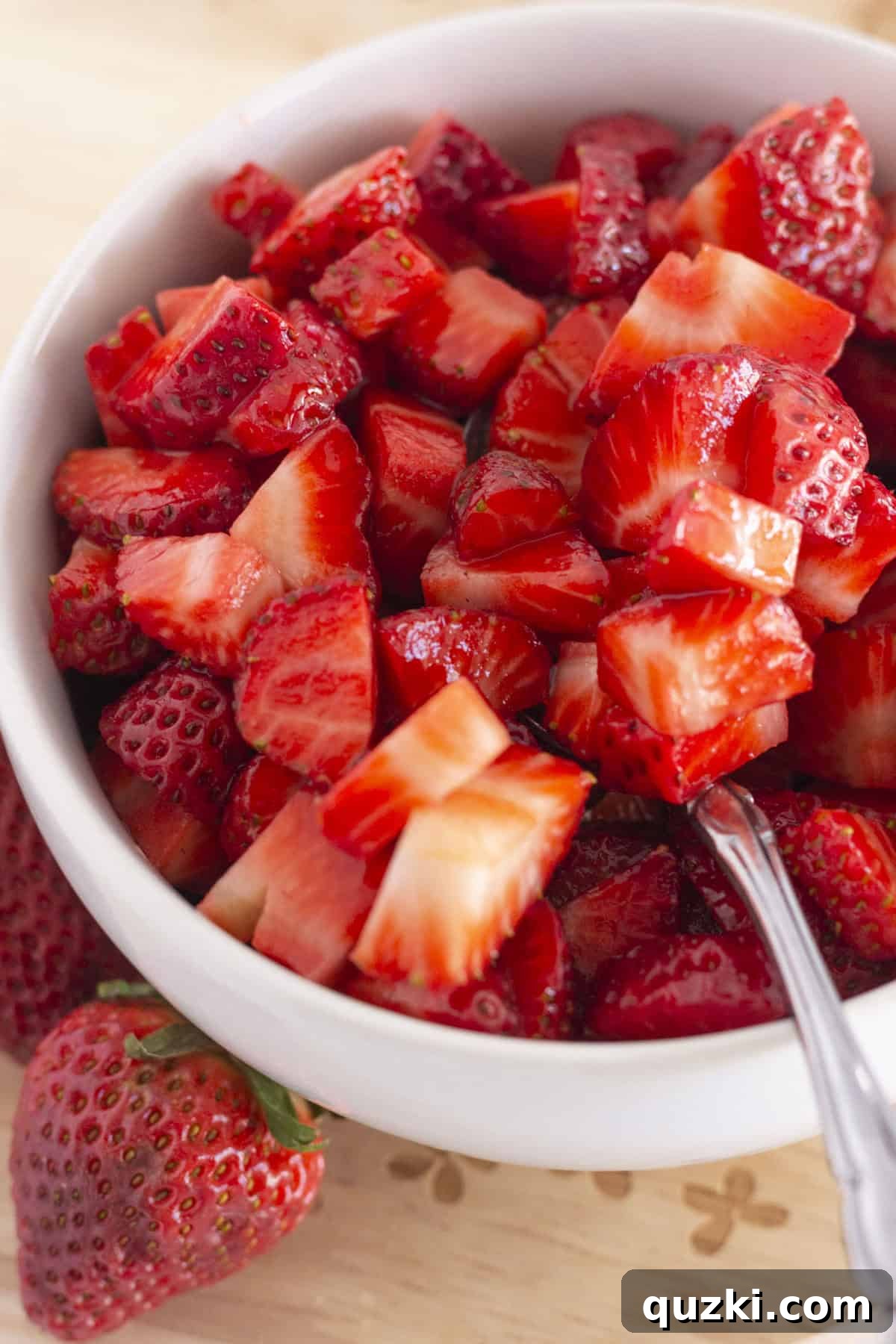
Delightful Sugared Strawberries: Your Go-To Easy Dessert Topping
For years, sugared strawberries have been a staple in my kitchen, a beloved lesson in my culinary classroom, and a consistently popular feature on my blog. This deceptively simple recipe, involving just two ingredients, consistently delivers a sweet, juicy, and incredibly versatile topping that elevates almost any dish. It’s a testament to how effortlessly you can transform fresh fruit into something truly special.
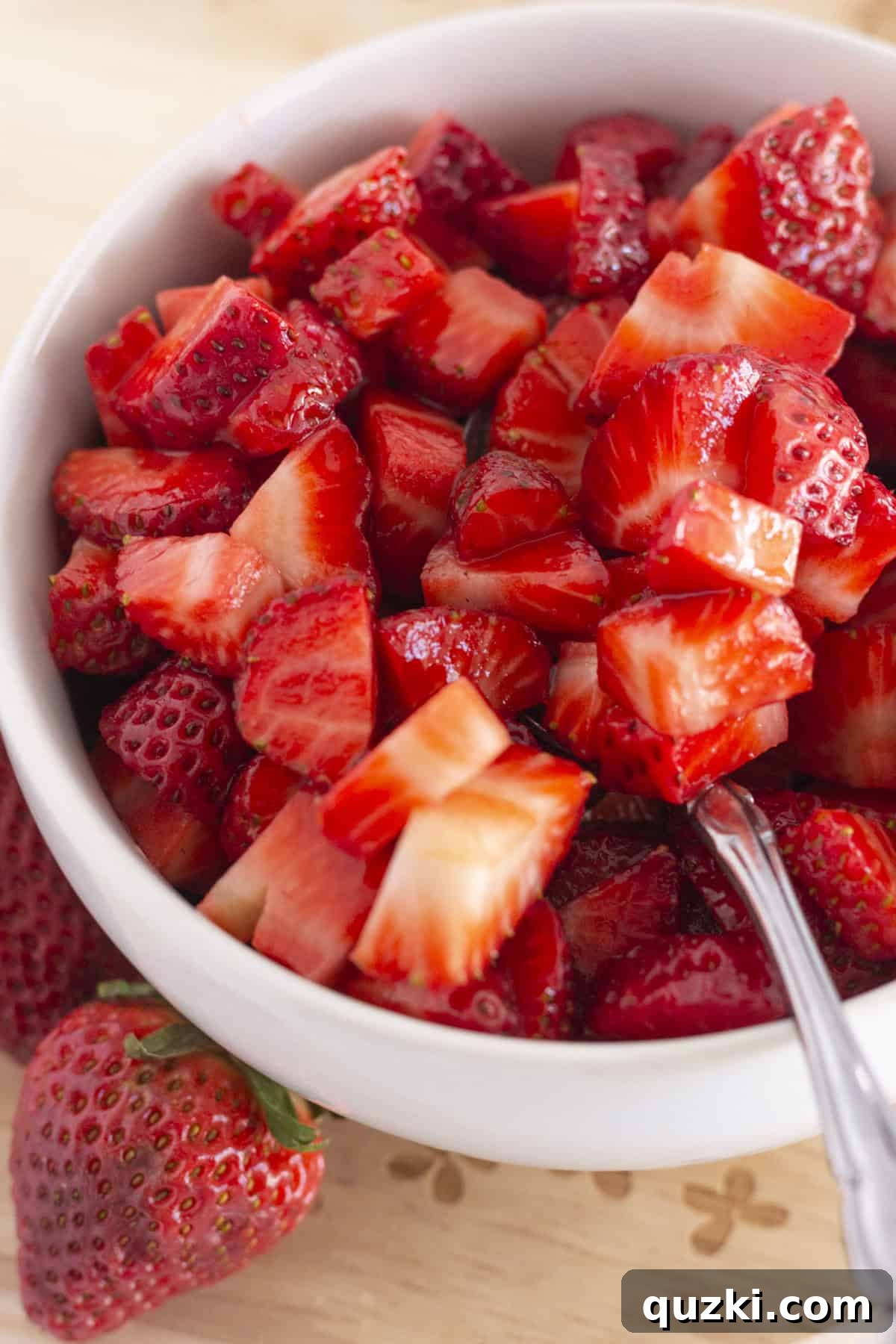
Table of Contents
- Why You Should Make Sugared Strawberries
- Ingredients for This Macerated Strawberries Recipe
- Creative Variations
- How to Make Sugared Strawberries Step-by-Step
- Expert Tips for Perfect Sugared Strawberries
- Storage and Freezing Guide
- Frequently Asked Questions About Sugared Strawberries
- Craving More Fresh Strawberry Recipes? Try These…
- Easy and Delicious Sugared Strawberries Recipe Card
As a high school culinary teacher, I always faced the challenge of fitting compelling lessons into 50-minute class periods. This sugared strawberries recipe was a perennial favorite because it could be completed within a single session, or easily managed over a couple of days thanks to its excellent keeping qualities. Students were fascinated by the simple alchemy of observing firm, fresh fruit gradually transform into a soft, juicy sauce. They especially loved piling the vibrant mixture high on slices of fluffy angel food cake, experiencing firsthand how a little sugar could unlock so much flavor.
Why You Should Make Sugared Strawberries
Making sugared strawberries, also known as macerated strawberries, is a kitchen hack every home cook should master. It’s not just easy; it’s a game-changer for enhancing the natural deliciousness of this beloved fruit. Here’s why this recipe deserves a permanent spot in your culinary repertoire:
- Effortlessly Simple: With just two core ingredients – fresh strawberries and granulated sugar – and minimal prep time, this recipe is incredibly quick and easy to execute. Even kitchen novices can achieve fantastic results, making it an accessible delight for anyone.
- Instant Flavor Elevation: Adding a touch of sugar to fresh strawberries performs a minor miracle. It doesn’t just sweeten them; it kickstarts the natural process of maceration, drawing out the berries’ inherent juices and intensifying their sweet, vibrant flavor. The result is a richer, more aromatic strawberry experience.
- Incredibly Versatile: The beauty of sugared strawberries lies in their adaptability. They are the perfect accompaniment for a vast array of dishes. Imagine them spooned over mini pound cakes, enhancing classic sweet biscuits for the ultimate strawberry shortcake, brightening a stack of pancakes (like my Fluffy Sheet Pan Pancakes), complementing delicate crepes (pancake mix crepes!), topping a warm waffle, folded into strawberry cake cookies, or simply enjoyed with a scoop of creamy vanilla ice cream. The possibilities are truly endless.
- Perfect for Less-Than-Perfect Strawberries: Have a batch of strawberries that aren’t quite as sweet or ripe as you hoped? No problem! This maceration technique is a fantastic way to rescue and revitalize them. The sugar coaxes out their hidden sweetness and softens their texture, transforming them into a delightful treat.
- Economical & Seasonal: When strawberries are in season and abundant, this recipe is a wonderful way to enjoy their peak flavor. It’s an affordable dessert or topping that makes the most of fresh, seasonal produce, bringing a taste of summer to any meal.
What Goes into This Macerated Strawberries Recipe
The magic of sugared strawberries lies in its simplicity, requiring only two core ingredients. However, choosing them wisely can make all the difference in the final outcome.
- Fresh Strawberries: The star of the show! Opt for ripe, firm, and vibrant red strawberries. While this recipe can improve the flavor of slightly underripe berries, starting with the best quality will yield the most delicious results. Wash them thoroughly and hull them (remove the green leafy tops). You can then slice them, half them, or even quarter them, depending on your desired texture and how you plan to use them. For a quicker maceration and a more saucy consistency, smaller pieces work best.
- Granulated Sugar: This is the catalyst that draws out the strawberries’ natural juices and sweetness. The amount you use can be adjusted to your personal preference and the sweetness of your berries. A little goes a long way to enhance, rather than overpower, the fruit’s natural flavor. Standard granulated sugar is perfect for this recipe.
Creative Variations
While sugared strawberries are undeniably delicious on their own, don’t hesitate to experiment with variations to suit your taste or what you have on hand. The maceration technique works wonderfully with other fruits and can be enhanced with additional flavors:
- Other Berries: Don’t want to use strawberries, or have other berries to use up? Sprinkle sugar on fresh blueberries, raspberries, pitted cherries, or blackberries instead. The process is the same, yielding equally delightful results. For instance, you’ll love this Raspberry Shortcake recipe made with macerated raspberries!
- Citrus Zest: For an extra layer of brightness, add a teaspoon of lemon or lime zest to the strawberries along with the sugar. The citrus notes beautifully complement the sweetness of the berries.
- Vanilla Extract: A splash of vanilla extract (about half a teaspoon) can deepen the overall flavor profile, adding a warm, aromatic undertone that pairs perfectly with strawberries.
- Herbal Infusion: For a sophisticated twist, consider adding a sprig of fresh mint, a few basil leaves, or a hint of thyme to the macerating berries. Remove the herbs before serving.
- A Touch of Liqueur: For an adult version, a tablespoon or two of a complementary liqueur like Grand Marnier, Cointreau, or even a good quality balsamic glaze can add depth and complexity.
- Maple Syrup or Honey: While granulated sugar is traditional, you can experiment with natural sweeteners like maple syrup or honey for a slightly different flavor profile. The liquid nature of these sweeteners can also aid in the juice release.
How to Make Sugared Strawberries Step-by-Step
This recipe is incredibly straightforward, but following these steps ensures you get the most delicious and juicy sugared strawberries every time.
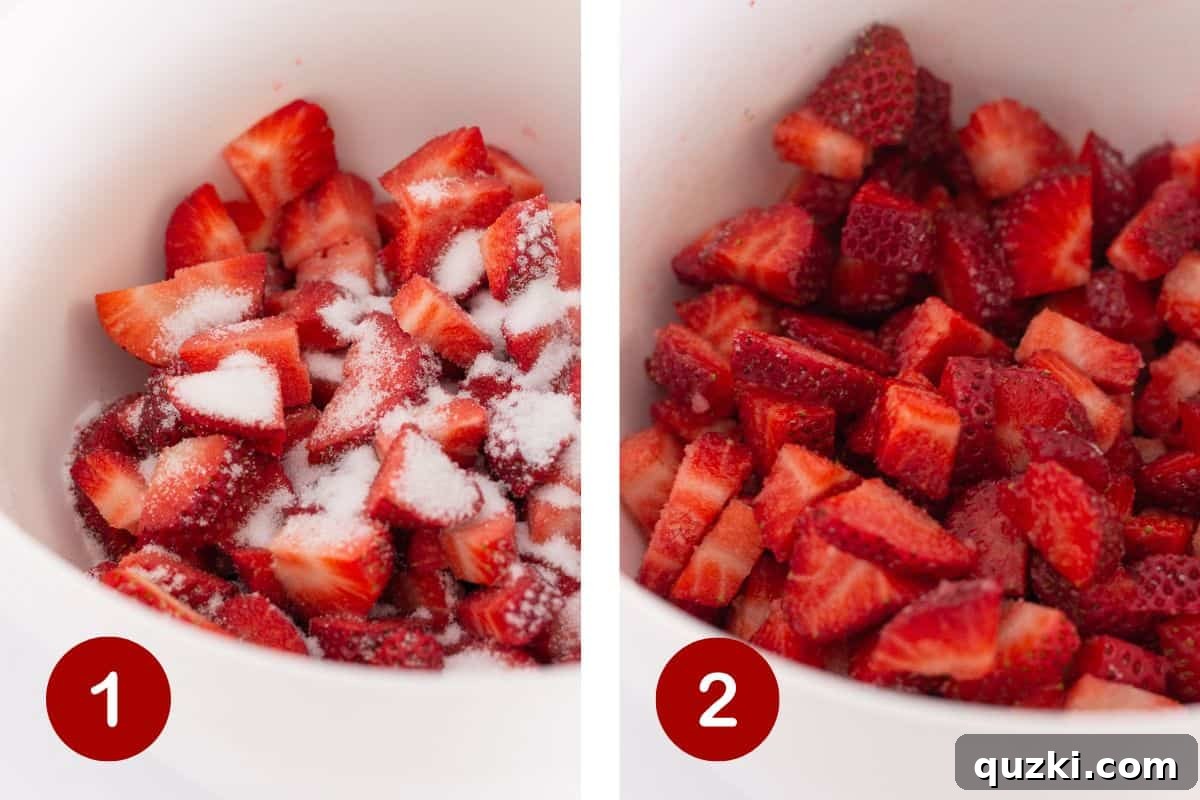
- Prepare the Strawberries: Begin by washing your fresh strawberries thoroughly under cool running water. Gently pat them dry. Then, hull each strawberry by removing the green leafy tops. Depending on your preference and intended use, slice them, half them, or quarter them. Uniform pieces will macerate more evenly. Place the prepared strawberries into a medium-sized mixing bowl.
- Add the Sugar: Sprinkle the granulated sugar over the sliced strawberries in the bowl. The amount of sugar can be adjusted based on the natural sweetness or tartness of your berries and your personal taste. Start with the lower recommended amount (e.g., ¼ cup for 2 cups of strawberries) and add more if needed.
- Stir to Coat: Gently stir the strawberries and sugar together using a spoon or spatula. Ensure that all the strawberry pieces are evenly coated with the sugar. This even coating is crucial for consistent maceration and flavor development.
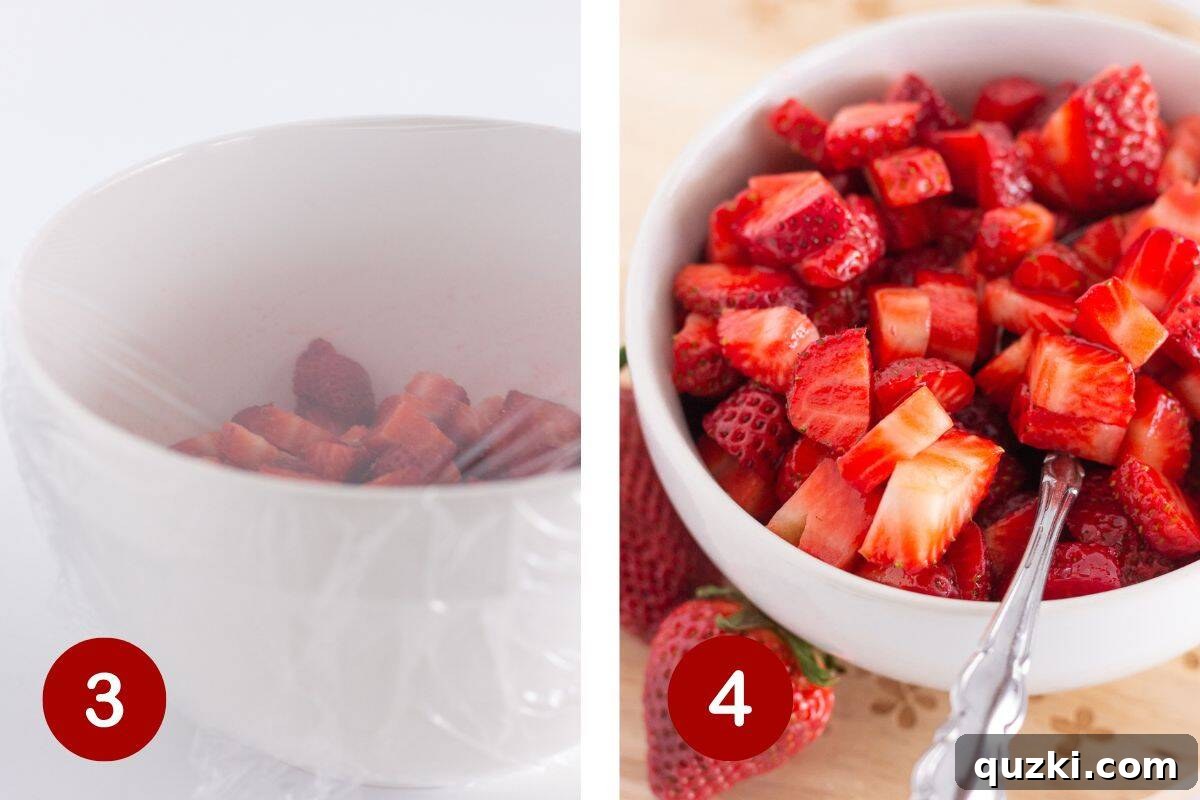
- Macerate (Let it Rest): Once coated, cover the bowl tightly with plastic wrap. Place the bowl in the refrigerator and allow the strawberries and sugar to macerate for at least 20 to 30 minutes. Maceration is the process where sugar draws out the natural moisture from the fruit, softening the berries and creating a wonderful, sweet syrup. For even juicier results, you can let them sit for up to 2-3 hours.
- Serve and Enjoy: Remove the bowl from the refrigerator. You’ll notice that the strawberries have softened and a beautiful, flavorful syrup has formed at the bottom of the bowl. Stir gently one last time before serving. These sweet, juicy sugared strawberries and their accompanying syrup are now ready to be spooned over your favorite desserts, perhaps with a generous scoop of homemade whipped cream.
Expert Tips for Perfect Sugared Strawberries
Achieving perfectly sugared strawberries is easy, but a few expert tips can elevate your results from good to absolutely phenomenal:
- Prioritize Fresh, Ripe Berries: While this recipe is excellent for enhancing less-than-perfect berries, starting with fresh, deeply red, and ripe strawberries will always yield the best flavor and texture. Ripe berries inherently contain more natural sweetness and juice, making the maceration process even more effective.
- Slice Evenly for Consistent Results: Take a moment to slice or quarter your strawberries uniformly. Evenly sized pieces not only look more appealing but also ensure that the sugar coats them consistently and that they macerate at the same rate. This leads to a uniform texture and flavor throughout the batch.
- Do Not Rush the Maceration: The resting period is crucial. Giving the berries 20-30 minutes (or even longer) to macerate allows the sugar to truly draw out their natural juices and create that luscious, flavorful syrup. Skipping this step or cutting it too short will result in less juicy berries and a thinner, less developed syrup. Patience is key for optimal flavor.
- Experiment with Flavor Boosters: Don’t be afraid to personalize your sugared strawberries. A small splash of pure vanilla extract (about ½ teaspoon) can add a beautiful aromatic depth. For a bright, zesty kick, finely grate in a teaspoon of lemon or lime zest. The citrus oils provide a lovely counterpoint to the sweetness.
- Consider Berry Size: For larger strawberries, quartering them might be better than just halving to ensure more surface area for the sugar to work its magic. For smaller berries, simply halving might suffice.
- Adjust Sugar to Taste: Always taste a berry first. If your strawberries are already very sweet, you might use less sugar. If they are tart, you might need a bit more. The goal is to enhance, not overpower, their natural flavor.
- Serve Chilled: Sugared strawberries are best served chilled, as the cold temperature enhances their refreshing qualities and the texture of the syrup.
Storage and Freezing Guide
Proper storage ensures your delicious sugared strawberries remain fresh and flavorful for as long as possible. Here’s how to keep them at their best:
Store: Place the sugared strawberries in an airtight container or a bowl tightly covered with plastic wrap. Store them in the refrigerator. They will maintain their quality for up to 5 days, but for the freshest taste and best texture, it’s recommended to enjoy them within the first 2-3 days. Over time, the strawberries will continue to soften and release more juice.
Freeze: While you can freeze sugared strawberries for up to 3 months, it’s generally recommended to freeze plain, unsugared strawberries for the best preservation of color and flavor. Freezing can alter the texture of the berries, making them softer upon thawing. If you do choose to freeze sugared strawberries, spread them in a single layer on a baking sheet lined with parchment paper and freeze until solid. Then transfer the frozen berries to a freezer-safe bag or container, removing as much air as possible. Thaw them in the refrigerator before use; they will be quite soft and liquidy, perfect for purees, sauces, or smoothies.
Frequently Asked Questions About Sugared Strawberries
Adding sugar to fresh strawberries initiates a process called maceration. The sugar draws out the natural moisture and juices from the berries through osmosis. This process not only sweetens the strawberries but also softens their texture and creates a wonderful, flavorful syrup. It intensifies their natural taste and makes them even more delicious and versatile for various uses.
If your strawberries aren’t as sweet as you’d like, that’s perfectly fine – in fact, this method is ideal for them! Macerating less sweet or slightly tart strawberries with sugar is a fantastic way to enhance their flavor, making them deliciously sweet and juicy. You might need to use a bit more sugar than the recommended amount if your berries are particularly tart. Just taste and adjust as needed.
Absolutely! Frozen fruit can actually work even quicker and be more effective for maceration. The freezing process breaks down the cell walls of the fruit, making it easier for the sugar to draw out liquid. To use frozen strawberries, first thaw them completely. Then, add the sugar as directed. Be aware that frozen and thawed strawberries will release a significant amount of liquid. If the resulting mixture is too watery for your preference, you can gently drain off a bit of the excess liquid before serving, or reduce it slightly over low heat to create a thicker sauce.
For basic sugared strawberries, a minimum of 20 to 30 minutes in the refrigerator is usually sufficient to draw out enough juice and create a lovely syrup. However, for a deeper flavor and more pronounced syrup, you can let them macerate for 2 to 3 hours, or even overnight. The longer they sit, the softer the strawberries will become and the more syrup will form.
Yes, absolutely! The amount of sugar in this recipe is a guideline. You can adjust it based on the sweetness of your strawberries and your personal preference. If your berries are very ripe and sweet, you might need less sugar. If they are tart, you might prefer a bit more. Start with a smaller amount and add more if necessary after a taste test. The goal is to enhance, not mask, the natural flavor of the strawberries.

Craving More Fresh Strawberry Recipes? Try These…
Discover More Strawberry Delights
Cakes
The Best Chocolate Covered Strawberry Cake
Cheesecakes
Strawberry No-Bake Cheesecake
Desserts
The Best Strawberry Crunch Cheesecake Cones
Desserts
Easy Strawberry Turnovers with Puff Pastry

Easy and Delicious Sugared Strawberries
June Albertson-Dick
Fresh strawberries are mixed with granulated sugar to get a soft texture, sweet taste, and lovely strawberry syrup – perfect for topping your favorite desserts.
5 mins
0 mins
30 mins
35 mins
8 servings
Rate Recipe
Print Recipe
Ingredients
- 2 cups fresh strawberries, {sliced or quartered}
- ¼-½ cup granulated sugar
Instructions
-
Combine the sliced strawberries and sugar together in a medium bowl. Stir until the strawberries are evenly coated in sugar.
-
Cover the mixture tightly with plastic wrap and refrigerate. Let the mixture sit and macerate for at least 20-30 minutes, or until the strawberries release their natural juices and a syrup forms. Serve on your favorite pound cake, sweet biscuit, or ice cream. Store any leftovers in the refrigerator for up to 4 days.
Notes
- Adjust the amount of sugar depending on how sweet or tart your strawberries are and your personal preference.
- For added flavor, consider a splash of vanilla extract or a pinch of lemon zest.
Nutrition
, Calories: 36 kcal
, Carbohydrates: 9g
, Protein: 0.2g
, Fat: 0.1g
, Saturated Fat: 0.01g
, Polyunsaturated Fat: 0.1g
, Monounsaturated Fat: 0.01g
, Sodium: 0.4mg
, Potassium: 55mg
, Fiber: 1g
, Sugar: 8g
, Vitamin A: 4IU
, Vitamin C: 21mg
, Calcium: 6mg
, Iron: 0.2mg
Nutrition information is automatically calculated and should only be used as an approximation.
Like this? Leave a comment below!