
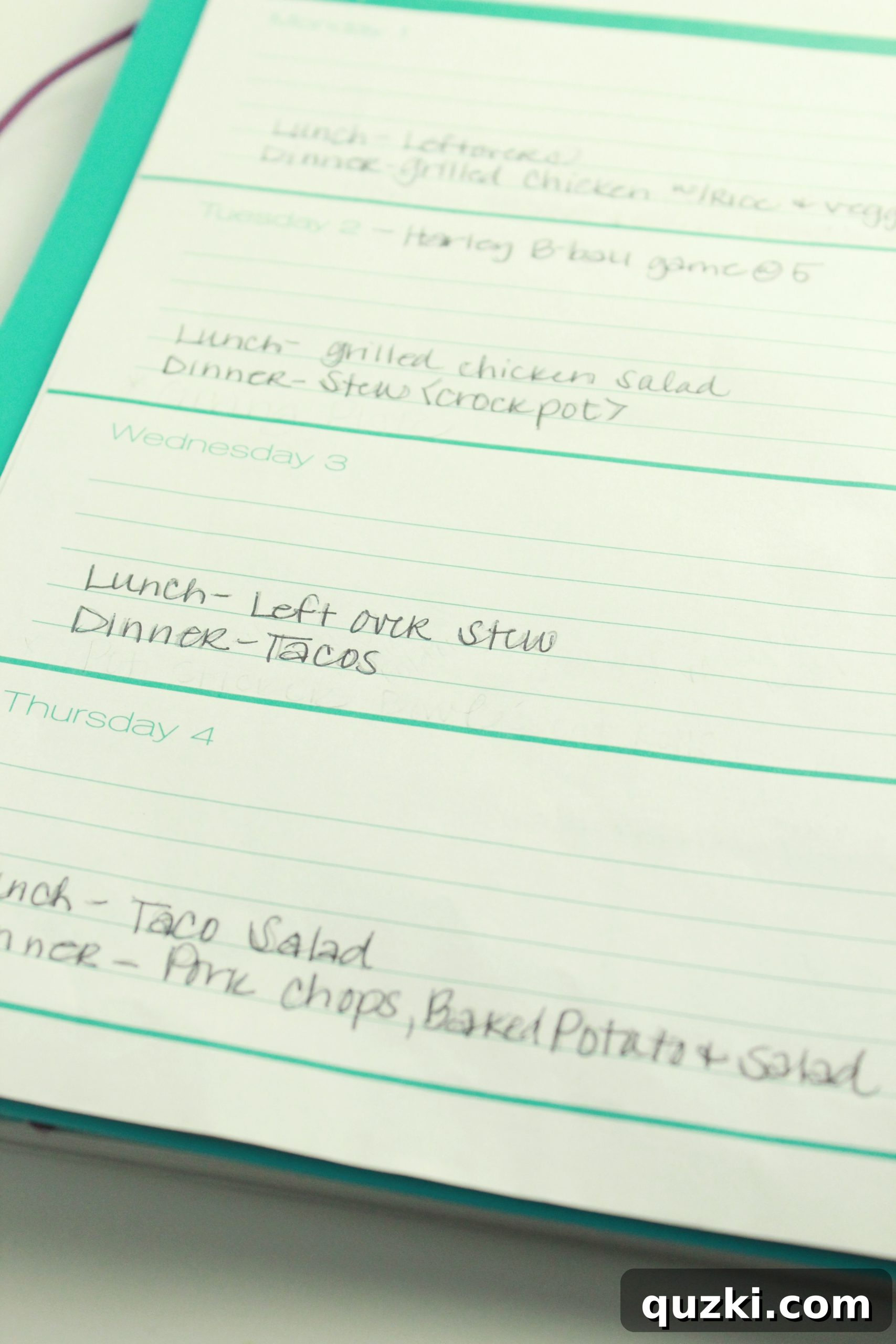
Mastering Meal Planning: Essential Tips for Busy Families and Budget-Friendly Eating
The quest for efficient meal management often brings a common set of questions: “How do you tackle it? When do you set aside time to plan? What’s your shopping routine?” These inquiries highlight a universal desire for a more structured approach to feeding our families. For me, meal planning has evolved from a chaotic struggle into an invaluable practice, deeply rooted in my personal need for organization and a past filled with last-minute dinner dilemmas. It’s a skill that, once mastered, profoundly impacts not just your kitchen, but your entire household’s well-being.
Reflecting on my early years as a single mother to two children, while simultaneously managing the demanding schedule of owning a deli, my attempts at meal planning were, quite frankly, abysmal. My children would readily confirm that a concrete dinner strategy was rarely in place, often culminating in spontaneous trips back to the deli to improvise a meal. Our family dinners frequently involved eating standing up around the kitchen island, often well past 8 o’clock in the evening. I vividly recall the profound sense of failure and the heavy “mommy guilt” I carried during those times. Despite recognizing the importance of consistent, nutritious meals, I was perpetually swamped and exhausted, making dinner a lower priority than I wished. Yet, surprisingly, amidst the rush and the self-reproach, I also hold some unexpectedly fond memories of those makeshift meals, even as the guilt serves as a poignant reminder of the challenges faced.
A significant turning point arrived when I remarried. With a blended family of four children, the financial reality meant that dining out frequently was no longer a viable option for our budget. I quickly understood that establishing a consistent and well-planned dinner routine was not just helpful, but absolutely essential for our family’s health and finances. This new chapter ignited my commitment to transforming our mealtime experience. Drawing from years of personal experimentation, learning from mistakes, and ultimately achieving success, I’ve compiled my top eight actionable strategies to elevate your meal planning game, making it not just manageable but genuinely enjoyable and effective for any busy household.
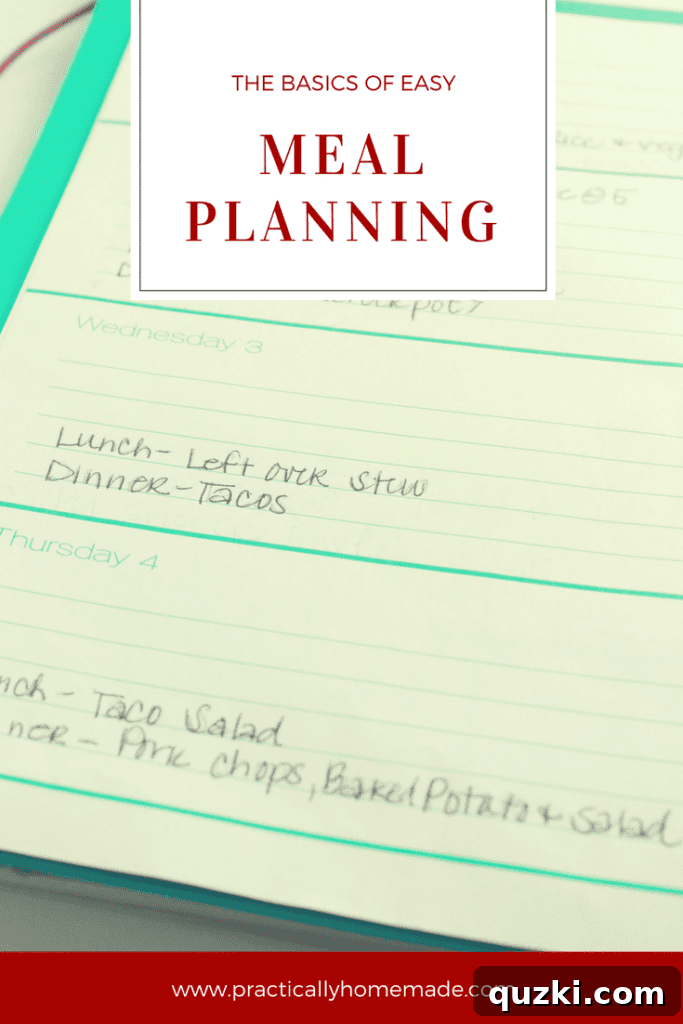
Unlock Your Kitchen’s Potential: Top 8 Strategies for Seamless Meal Planning
1. Embrace the One-Week Planning Cycle for Clarity and Control
In my journey through meal planning, I’ve experimented with various timeframes, from ambitious two-week plans to even month-long menus. My consistent discovery? Focusing on a single week proves to be the most effective and sustainable approach. Attempting to plan further in advance often leads to feelings of overwhelm, increased rigidity, and ultimately, a higher likelihood of abandoning the entire effort. By concentrating on one week at a time, the task becomes far more manageable, allowing for greater accuracy in ingredient estimation and essential flexibility for unexpected changes in your family’s schedule. This focused approach ensures that meal planning remains a helpful tool for organization rather than an additional source of stress, empowering you to maintain consistency and confidence in your weekly menu, week after week.
2. Consult Your Calendar: Your Foremost Planning Companion
Before you even begin to brainstorm recipes or culinary themes, make it a non-negotiable habit to sit down with your family’s weekly calendar. Meticulously review all commitments: school events, sports practices, evening meetings, late work nights, doctor’s appointments, or any social engagements. A thorough understanding of your schedule ahead of time is absolutely critical for successful meal planning. Nights when you anticipate rushing home late or dealing with staggered arrival times explicitly call for quick, fuss-free, minimal-effort meals. Conversely, evenings with more unallocated time might present an opportunity for a slightly more involved culinary endeavor or a new recipe experiment. This proactive calendar review is your first line of defense against last-minute chaos, ensuring your planned meals align perfectly with your family’s dynamic rhythm and energy levels throughout the week.
3. Strategic Meal Selection: Plan According to Your Week’s Demands
Armed with a clear understanding of your weekly schedule, it’s time to select meals that genuinely fit your reality. This means being utterly realistic about your available time and energy. On notoriously hectic weeknights, attempting to prepare an elaborate, multi-course meal is a guaranteed recipe for frustration, stress, and almost certainly, leads to the temptation of unhealthy takeout. Instead, champion simplicity. My absolute go-to strategy for late evenings or nights with varying arrival times is to leverage the power of the slow cooker or Instant Pot. These appliances are true lifesavers, allowing dinner to be ready and waiting, warm and inviting, as soon as everyone walks through the door. This proactive approach eliminates the pervasive temptation to opt for expensive, less healthy takeout options driven by sheer exhaustion. For other busy slots, consider versatile sheet pan dinners, quick pasta dishes, or pre-prepped stir-fries, reserving more complex or time-consuming recipes for weekends or calmer, more predictable weeknights.
4. Conduct a Thorough Kitchen Audit: Shop Your Pantry, Fridge, and Freezer First
Before you even contemplate creating a grocery list, pause and embark on a comprehensive “shopping trip” through your own kitchen. Systematically open your pantry, peer into your refrigerator, and delve deep into your freezer. What ingredients do you already have on hand that are nearing their expiration date or simply need to be used up? This crucial step is an absolute game-changer for both budget-conscious cooking and significantly reducing food waste. Furthermore, make it a habit to consult weekly store ads for upcoming sales, paying particular attention to proteins like meat, poultry, or fish, which are often the most expensive components of any meal. By allowing the current sales and your existing inventory to inspire some of your menu choices, you can dramatically reduce your grocery bill, spark creative cooking ideas, and embrace a more budget-friendly approach to feeding your family. This proactive audit ensures you maximize what you possess, spend less, and eat smarter.
5. Don’t Overlook Breakfast and Lunch in Your Planning
While my family members are largely self-sufficient when it comes to breakfast, I still prioritize ensuring a diverse array of convenient options are readily available. Stocking essentials like toaster waffles, mini pancakes, various cereals, and pop-tarts guarantees quick, easy-to-prepare starts to their day, minimizing morning rush-hour stress. Lunch, however, often presents a slightly greater planning challenge, particularly if you or your children regularly pack meals for school or work. Leftovers from the previous night’s dinner are consistently my top choice for packed lunches, offering both convenience and welcome variety. If leftovers aren’t an option, strategically plan for sandwich components, vibrant salad ingredients, or other grab-and-go items like yogurt parfaits or pre-portioned snacks. Thinking about these mid-day meals in advance is crucial for preventing reliance on less healthy, more expensive spontaneous purchases during the week, ensuring everyone is consistently well-fueled and focused throughout the day.
6. Optimize Your Grocery List for Your Store’s Layout
This tip might verge on meticulousness for some, but I find immense value in organizing my grocery list according to the familiar layout of my preferred supermarket. Instead of a haphazard, random compilation of items, I mentally (or if it’s a new store, physically) navigate through the aisles, systematically adding items to my list in the precise order I will encounter them. I typically begin with fresh produce, move through dairy and eggs, then to meats and seafood, dry goods, and finally, frozen items. This systematic approach drastically reduces overall shopping time, prevents frustrating backtracking through crowded aisles, and significantly minimizes the risk of forgetting essential items. It creates a seamless, efficient flow through the store, transforming a potentially chaotic chore into a streamlined errand. I encourage you to experiment with your local store’s layout to develop your own optimized, time-saving list strategy.
7. Designate a Consistent Weekly Shopping Day
When it comes to grocery shopping, consistency is undoubtedly your best ally. For me, Sunday mornings have proven to be the ideal time to tackle the main weekly shop, but any day that seamlessly integrates into your schedule will work, as long as the task gets accomplished regularly. Dedicating one specific day to a comprehensive shopping trip for the entire week’s provisions is incredibly efficient. While occasional quick runs for very fresh produce, forgotten staples, or last-minute needs might still be necessary mid-week, having the vast majority of your groceries purchased in one fell swoop saves significant time and prevents the constant, energy-draining cycle of daily store visits. This regular rhythm fosters a consistently well-stocked kitchen and provides robust support for your overall meal plan, ensuring you always have precisely what you need to prepare your delicious, planned meals.
8. Power Prep Upon Arrival: Maximize Your Time Immediately
This final tip is arguably the most impactful strategy for truly streamlining your weeknight cooking routine. Make a conscious effort to carve out some dedicated time immediately after returning home from your grocery trip to prep as many ingredients as possible. This means proactively washing and chopping all your vegetables, portioning fruits for easy snacks, cooking a large batch of grains like quinoa or rice, marinating meats for future meals, or even baking chicken breasts to be shredded and used in various dishes. Consider this an upfront investment of a small amount of time that will yield massive dividends in saved time and reduced stress later in the week. Having prepped ingredients readily available drastically speeds up meal assembly during busy weeknights, transforming cooking from a daunting chore into a quick, almost effortless process. It’s the ultimate secret weapon against weeknight cooking fatigue and the most effective way to ensure your meal plan translates into delicious, stress-free dinners for your family.
Your Journey to Stress-Free Dinners Begins Now!
There you have it – my tried-and-true, comprehensive tips for achieving meal planning success and consistently bringing delicious, stress-free dinners to your family’s table. Implementing these strategic guidelines can utterly transform your kitchen routine, saving you precious time, hard-earned money, and invaluable mental energy, all while promoting healthier eating habits for your entire household. Remember, consistency and adaptability are your most potent allies on this journey. Start small, perhaps by incorporating just one or two tips at a time, and gradually build your meal planning confidence. For a wealth of inspiring recipes, creative meal ideas, and practical cooking guides to truly kickstart and sustain your planning journey, be sure to explore our dedicated recipe section. Happy cooking!