
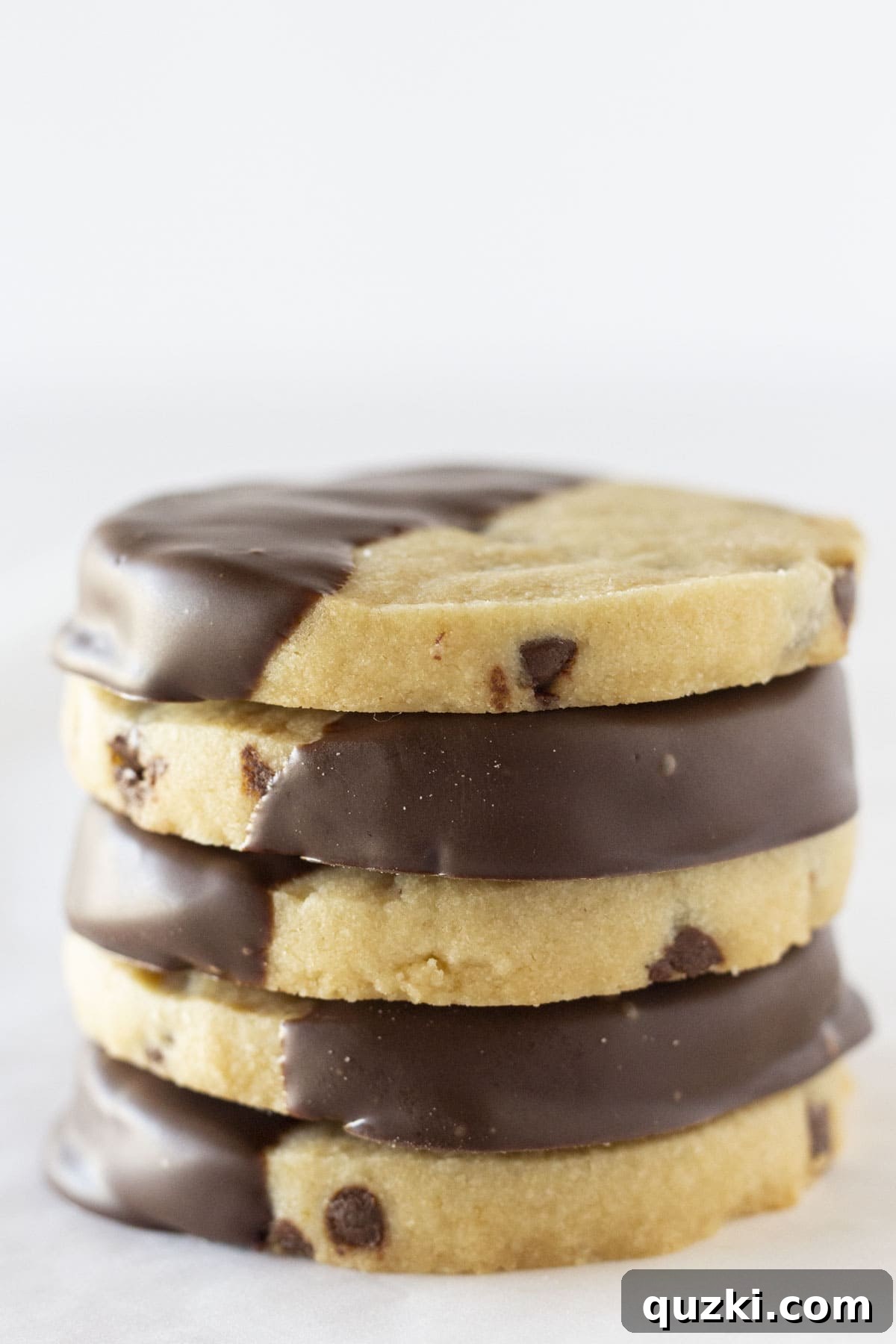
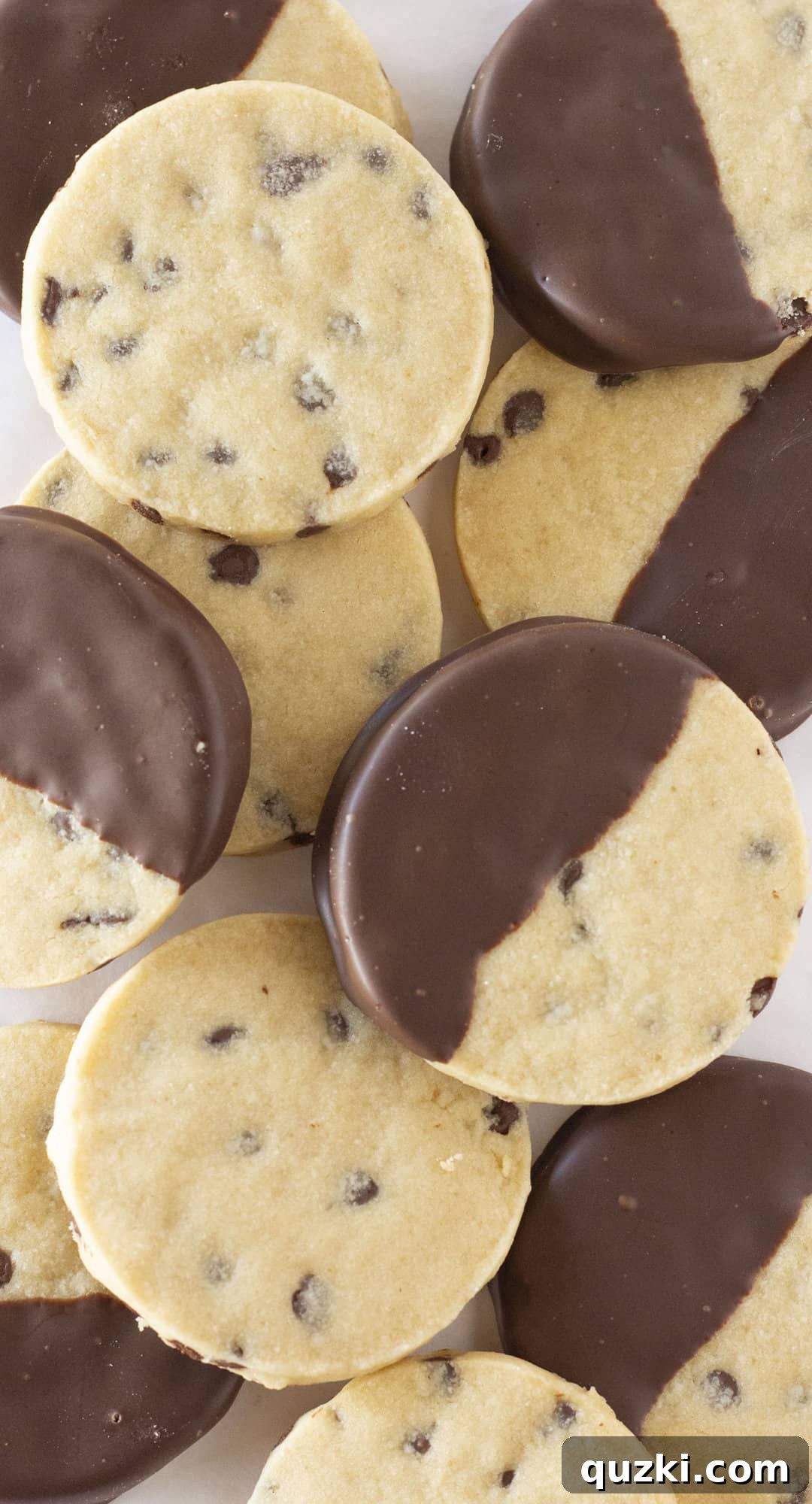
This incredibly light, tender, and intensely buttery Chocolate Chip Shortbread Recipe is a true culinary masterpiece in its simplicity, requiring just 5 staple ingredients. Elevated with a generous scattering of mini semi-sweet chocolate chips and an optional decadent dip in melted chocolate, these cookies transcend ordinary treats. They offer a delightful indulgence suitable for any time of year, perfect for special occasions or simply a moment of pure bliss with your favorite hot beverage.
Table of Contents
- Why You’ll Adore These Chocolate Chip Shortbread Cookies
- The Magic Behind Chocolate Chip Shortbread Ingredients
- Step-by-Step: How to Make Chocolate Chip Shortbread Cookies
- Elevating Your Shortbread with a Chocolate Dip
- Creative Substitutions for Your Shortbread Recipe
- Expert Tips for Flawless Shortbread
- Storage and Freezing
- Recipe FAQs
- Explore More Shortbread Recipes
- Chocolate Chip Shortbread Cookies Full Recipe
Why You’ll Adore These Chocolate Chip Shortbread Cookies
Prepare to embark on a delightful culinary journey with these chocolate chip shortbread cookies! This recipe isn’t just good; it’s truly exceptional, seamlessly blending the comforting simplicity of classic shortbread with the universally loved charm of chocolate. There are numerous compelling reasons why this particular shortbread recipe stands out as one of the best you’ll ever bake, making it an instant favorite in any home.
Firstly, the sheer ease of preparation is a primary allure. With a minimalist list of just five core ingredients, this recipe masterfully minimizes fuss and maximizes flavor. This streamlined approach makes it incredibly accessible for novice bakers eager to create something impressive, while also appealing to seasoned pros who appreciate a quick yet sophisticated treat. Fewer ingredients mean less time spent on grocery runs, less meticulous measuring, and significantly less cleanup – a trio of benefits that makes this recipe a true kitchen hero.
What truly distinguishes this classic shortbread from its counterparts is the inspired use of brown sugar. While many traditional shortbread recipes typically rely on granulated white sugar, brown sugar introduces a magical depth of flavor and a nuanced chewiness that is utterly irresistible. It infuses each cookie with warm, molasses-rich undertones and subtle caramel notes that perfectly complement the buttery foundation and the sweet burst of chocolate chips. This thoughtful deviation from conventional shortbread techniques transforms the cookie into something uniquely delicious and remarkably complex, offering a more satisfying taste experience with every bite.
Beyond its incredible flavor profile, these easy chocolate chip shortbread cookies consistently bake up to a perfect, crisp texture. Each bite delivers a delightful snap, immediately followed by a luxurious, melt-in-your-mouth richness that is the hallmark of expertly crafted shortbread. This exquisite balance of crispness and tender butteriness makes them an ideal companion for a comforting warm cup of coffee, a soothing mug of tea, or a refreshing glass of cold milk. They possess a robust structure that holds up beautifully to dipping, yet remain delicately crumbly enough to simply dissolve on your palate.
The strategic inclusion of mini chocolate chips ensures that you experience a perfect pocket of chocolate in every single bite, without overpowering the delicate, nuanced flavor of the shortbread. And for those who yearn for an extra touch of indulgence, the optional chocolate dip elevates these cookies to an entirely new echelon of gourmet delight. This simple, elegant step adds another layer of contrasting texture and a heightened intensity of chocolate, transforming an already fantastic cookie into an extraordinary one. Whether you choose to savor them plain, with their delightful chocolate chip inclusion, or double-dipped in a velvety chocolate coating, these chocolate chip shortbread cookies are destined to become a cherished and frequently revisited staple in your baking repertoire.
The Magic Behind Chocolate Chip Shortbread Ingredients
Crafting perfect shortbread relies profoundly on the quality and specific characteristics of its minimal ingredients. When your ingredient list is this short, each component plays an indispensable and amplified role in achieving the desired buttery, crisp, and exquisitely flavorful result. Here’s an in-depth exploration of the key players that make our chocolate chip shortbread truly exceptional:
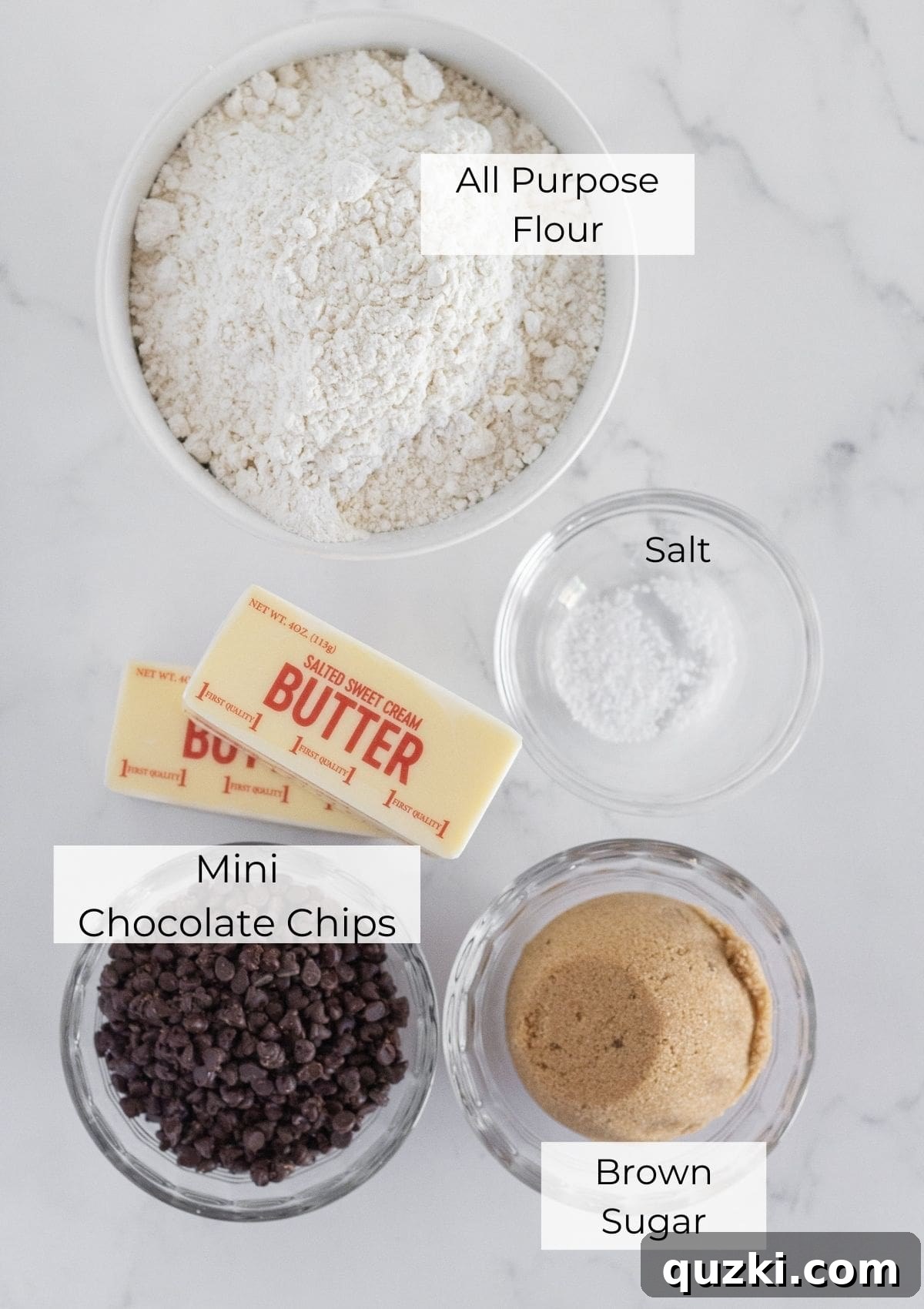
- High-Quality Butter: This is unequivocally the undisputed star and backbone of any shortbread. In a recipe with only five ingredients, every single element must perform at its peak, and real, high-quality butter is an absolute non-negotiable. Butter is solely responsible for providing the characteristic rich, creamy flavor and the signature tender, crumbly texture that defines shortbread. I personally find that a good salted butter naturally enhances the overall flavor profile, creating a perfect balance and cutting through the sweetness beautifully. However, if your preference leans towards unsalted butter, you can certainly use it; simply consider increasing the added salt slightly, perhaps by an extra pinch, to achieve that essential flavor balance. For the most superior results, seek out butter graded AA, followed by A, or B. Opting for a European-style butter, known for its higher fat content and lower water content, can further elevate the richness and tenderness, though standard American butter also yields beautiful results. Crucially, ensure your butter is softened to true room temperature before you begin, as this is vital for optimal creaming and achieving the desired light texture.
- Brown Sugar: This is where our recipe takes a delightful and distinct turn from the more common traditional shortbread, which often utilizes granulated white sugar. Brown sugar is a truly magical addition here, imparting a depth of flavor that is subtly different yet profoundly more delicious. It infuses the cookies with warm, complex molasses-rich notes and contributes to a wonderfully slight chewiness that complements the crisp snap of the shortbread, resulting in a more tender crumb compared to white sugar versions. Whether you choose light brown sugar for a milder, more delicate caramel note or dark brown sugar for a more intense, robust, and deep flavor is entirely a matter of personal preference; rest assured, both options promise fantastic results and will elevate your shortbread experience.
- All-Purpose Flour: Flour serves as the essential structural component for your shortbread cookies. All-purpose flour is the ideal choice, as it provides just the right amount of stability and body without making the cookies tough or overly dense. The critical technique here is to avoid overworking the dough once the flour has been introduced. Excessive mixing can lead to the development of gluten, which will inevitably result in a less tender, more bready shortbread. Always measure your flour accurately, ideally by weight for precision, or by spooning it lightly into the measuring cup and leveling it off, rather than scooping directly, to prevent compaction.
- Salt: Though used in a small quantity, salt is a mighty and indispensable ingredient. It is absolutely crucial for balancing the inherent sweetness of the sugar and chocolate, and more importantly, for truly enhancing and bringing out all the other nuanced flavors in the cookie. Salt acts as a flavor amplifier, making the natural buttery notes more pronounced and allowing the chocolate to taste even richer and more complex. For an additional layer of flavor, a beautiful textural contrast, and a touch of sophisticated elegance, consider sprinkling a tiny amount of flaky sea salt over the baked cookies immediately after they emerge from the oven. This thoughtful addition provides a pleasant crunch and a deeper, more pronounced saltiness that will tantalize the taste buds.
- Mini Semi-Sweet Chocolate Chips: These petite chocolate morsels are perfectly sized for shortbread, ensuring a consistent and harmonious distribution of chocolate in every single bite. Their small stature prevents them from disrupting the cookie’s delicate structure or posing difficulties during the cutting process. Semi-sweet chocolate offers a classic and well-balanced flavor profile that appeals to most palates, but feel free to let your imagination guide you. Dark chocolate chunks would introduce a sophisticated bitterness and intense cocoa flavor, while milk chocolate chips would result in a sweeter, creamier, and more comforting cookie. If you desire the pure, unadulterated taste of classic shortbread, you can simply omit the chocolate chips altogether, letting the rich butter and brown sugar truly shine.
Each ingredient, chosen with intent and care, contributes uniquely to the unparalleled taste, texture, and overall delightful experience of these beloved chocolate chip shortbread cookies. The apparent simplicity of the ingredient list masterfully belies the profound depth and complexity of flavor it ultimately achieves.
Step-by-Step: How to Make Chocolate Chip Shortbread Cookies
Creating these delightful chocolate chip shortbread cookies is an incredibly straightforward and enjoyable process that yields consistently delicious results. Follow these detailed, easy-to-understand steps to ensure your cookies turn out perfectly crisp, intensely buttery, and utterly irresistible:
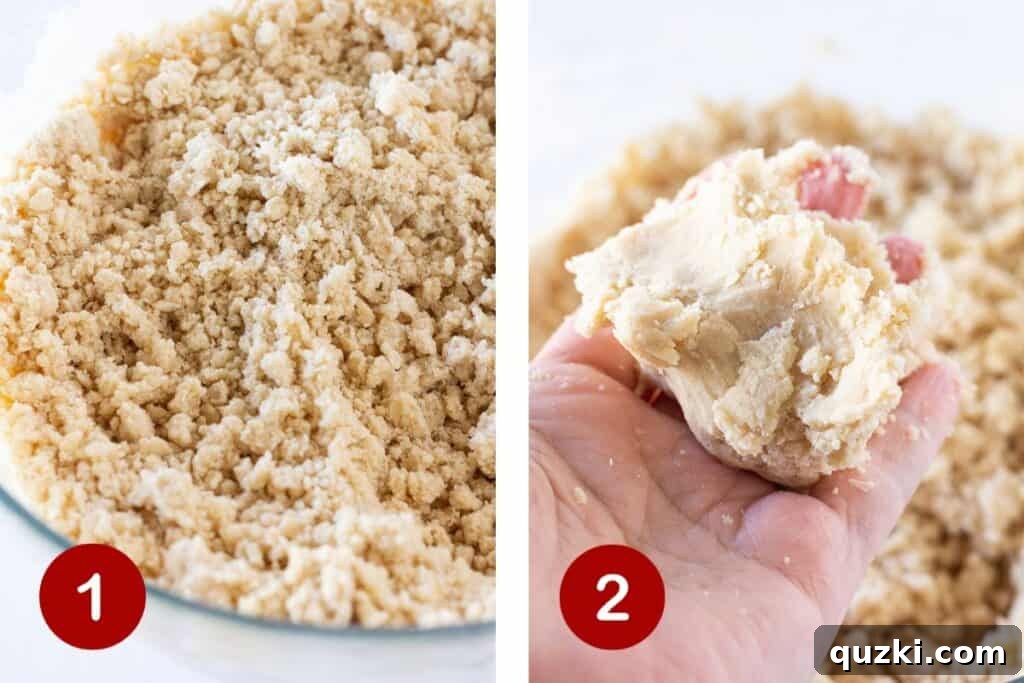
1. Cream Butter and Sugar to Perfection: Begin by placing your perfectly softened butter and brown sugar into a spacious mixing bowl. Using an electric hand mixer (or a stand mixer fitted with the paddle attachment), beat the mixture on medium speed until it transforms into a light, airy, and significantly paler, fluffy consistency. This crucial creaming process effectively incorporates air into the butter, which is vital for contributing to the shortbread’s characteristic tender, melt-in-your-mouth texture. Next, introduce the precisely measured all-purpose flour and salt into the butter and sugar mixture. Continue to mix on the lowest speed until the ingredients are just combined and the mixture beautifully resembles fine, coarse crumbs. It is perfectly normal for the mixture to appear quite dry at this initial stage – trust the process, as this is precisely the texture we’re aiming for with shortbread dough.
2. Bring the Dough Together by Hand: To transition the crumbly mixture into a cohesive, workable dough, you will likely need to set your mixer aside and use your hands. Gently knead and press the dough together directly within the mixing bowl. The natural warmth from your hands will subtly help the butter to soften further and effectively bind all the dry ingredients. Continue working the dough patiently until it comes together easily and can be formed into a solid, unified ball without crumbling apart. It’s important to avoid overworking the dough excessively during this stage, as this can lead to over-development of gluten, which would unfortunately result in tough, rather than tender, cookies.
3. Gently Incorporate Chocolate Chips: Once your shortbread dough has achieved a cohesive consistency, it’s time for the delightful addition of mini chocolate chips. Gently fold them into the dough, mixing just enough to ensure they are evenly and uniformly distributed throughout. Exercise care during this step; overmixing can cause the chocolate chips to break, or even melt prematurely from the friction, potentially marring the texture and appearance of your finished cookies.
4. Prepare the Dough for Chilling: Carefully transfer the prepared chocolate chip shortbread cookie dough into a clean, gallon-sized zipper bag. Utilizing this method offers a significant advantage, as it simplifies the rolling process immensely and helps ensure a perfectly even thickness across the entire dough. This consistency is key for uniformly baked cookies.
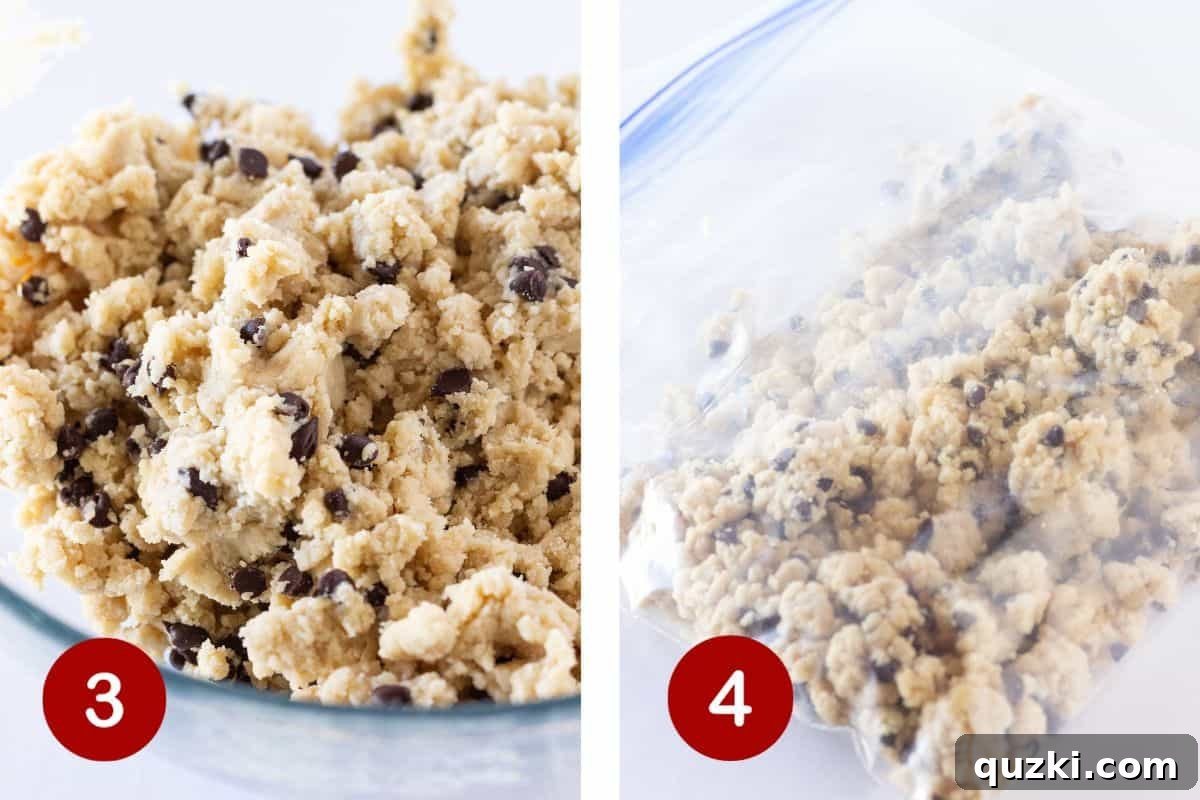
5. Roll and Crucially Chill the Dough: Using your hands or a rolling pin, gently yet firmly press and roll the dough inside the zipper bag. Your goal is to spread it out into a single, uniform layer, ensuring it fills the entire bag and reaches into all the corners for consistent thickness. Once evenly rolled, securely seal the bag and transfer it to the refrigerator for a minimum of 1 hour, though chilling it for longer, even overnight, can yield even better results. This chilling step is absolutely critical; it allows the butter to firm up completely, which is essential for preventing the cookies from spreading excessively and losing their shape during baking. Furthermore, chilling provides ample time for all the flavors to meld and deepen, resulting in a superior texture and an even richer taste.
6. Cut the Chilled Cookies: After the dough has been sufficiently chilled, remove the zipper bag from the refrigerator and allow it to sit at room temperature for approximately 5-10 minutes. This brief period of slight warming will make the dough much easier to cut without cracking or tearing. Carefully cut along the top seam of the bag to open it. Using a 2-inch round cookie cutter, precisely cut as many cookies as you can from the rolled dough. You can gently gather any remaining dough scraps, press them together, and re-roll them once or twice to yield a few more cookies. However, try to handle the dough minimally during re-rolling to maintain its tender, delicate crumb.
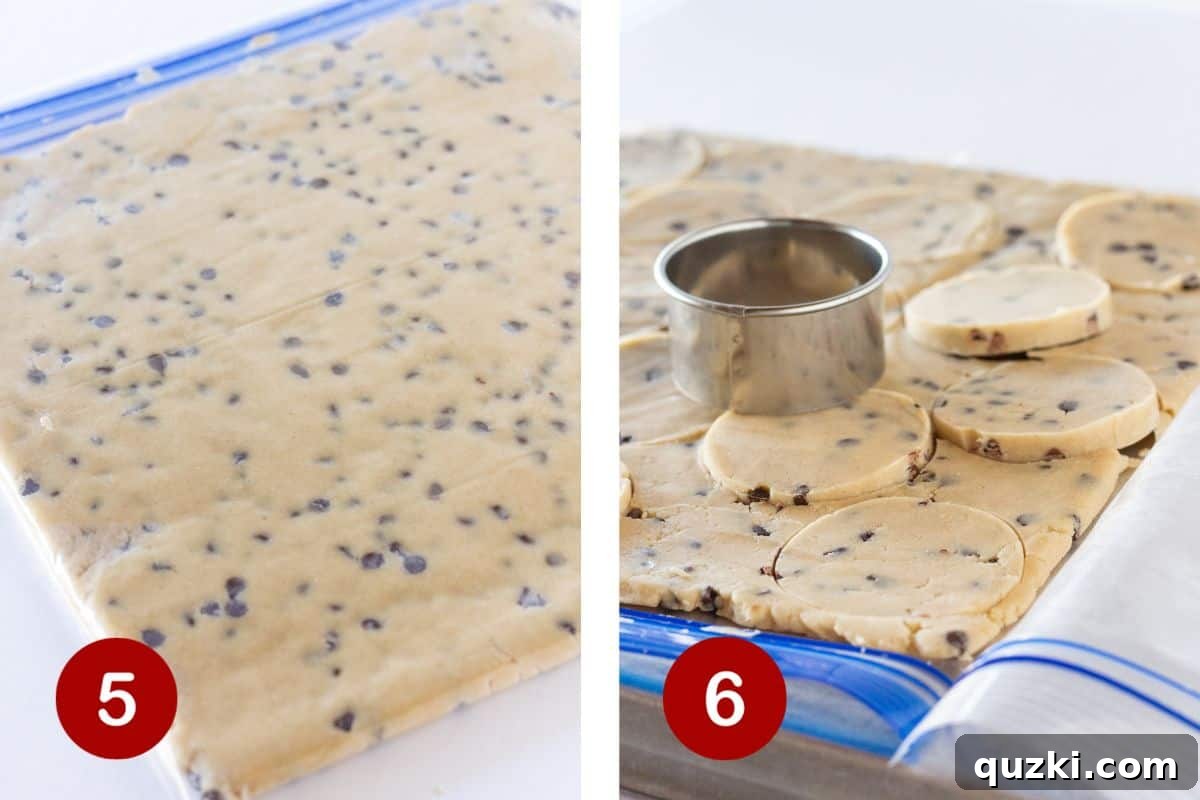
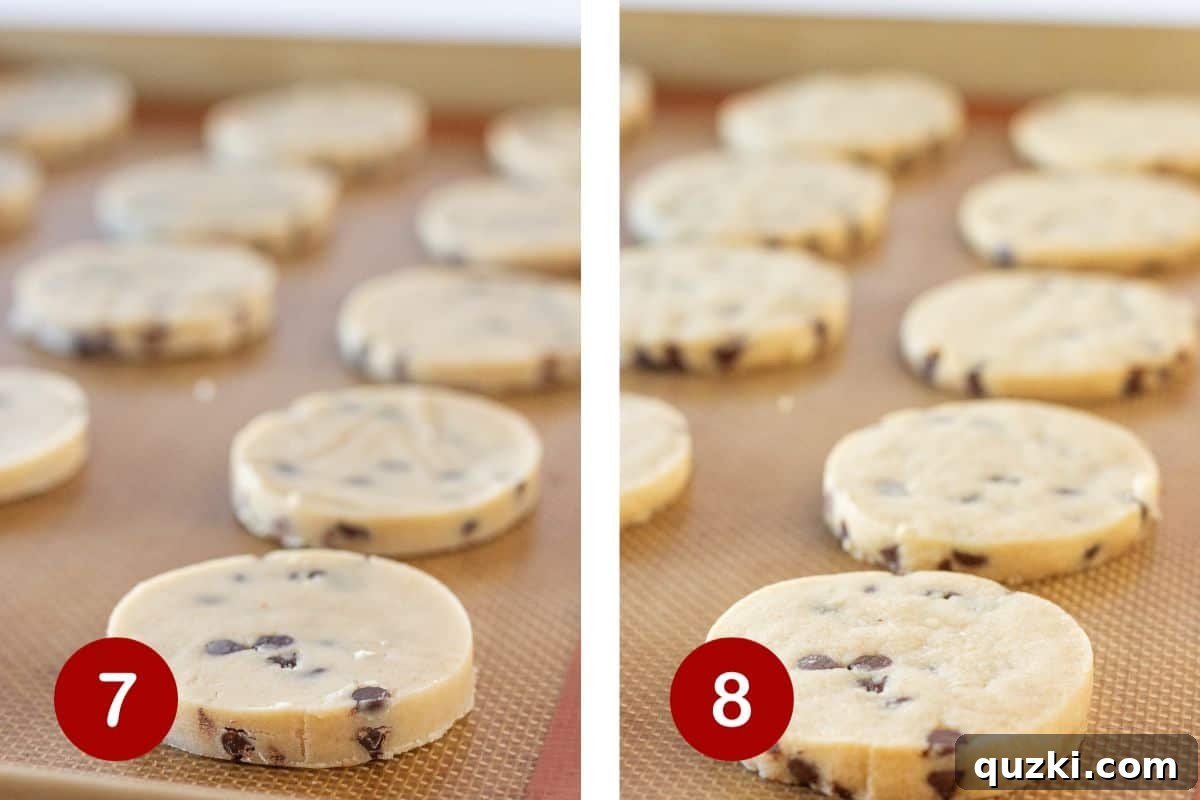
7. Prepare Baking Sheets: Line a large baking sheet with either a silicone mat or parchment paper. Carefully transfer 12-15 shortbread cookies onto the prepared sheet. Shortbread cookies are unique in that they do not spread significantly during baking, which means you can place them relatively close together, typically leaving about an inch of space between each cookie, maximizing your baking efficiency.
8. Bake to Golden Perfection and Cool: Preheat your oven to a precise 300 degrees Fahrenheit (150 degrees Celsius). Bake the cookies for a duration of 18-20 minutes. It’s important to keep a vigilant eye on them; you will know they are finished baking when their edges begin to turn a very light, delicate golden brown. The centers of the cookies may still appear quite pale, but rest assured, they will firm up beautifully as they cool. Overbaking can lead to a hard, rather than crisp, texture. Once baked, carefully remove the baking sheet from the oven and allow the cookies to cool completely, without disturbance, directly on the sheet. This step is absolutely vital for achieving that perfectly crisp, melt-in-your-mouth texture, as they continue to cook slightly and firm up as they gradually cool down.
Elevating Your Shortbread with a Chocolate Dip
While these easy chocolate chip shortbread cookies are undeniably delicious and satisfying on their own, the optional step of dipping them in chocolate is a simple yet incredibly impactful technique that elevates them to an entirely new dimension of decadence. It’s surprisingly straightforward to execute but makes a monumental difference in both visual presentation and taste, adding a rich, glossy finish and an extra layer of intense chocolatey goodness.
- Expertly Melt the Chocolate: Once your shortbread cookies have cooled completely to room temperature (this is absolutely crucial, as any residual warmth will cause the melted chocolate to melt, seize, or slide off), prepare your dipping chocolate. You can achieve excellent results using chocolate melting wafers (often marketed as candy melts or almond bark), high-quality chocolate chips, or finely chopped chocolate bars. Place your chosen chocolate in a clean, microwave-safe bowl. Microwave the chocolate on high power for short intervals, typically 30 seconds at a time, stirring thoroughly and gently after each interval until the chocolate is completely melted and beautifully smooth. Exercise extreme caution to avoid overheating the chocolate, as this can easily cause it to seize, become grainy, or even burn.
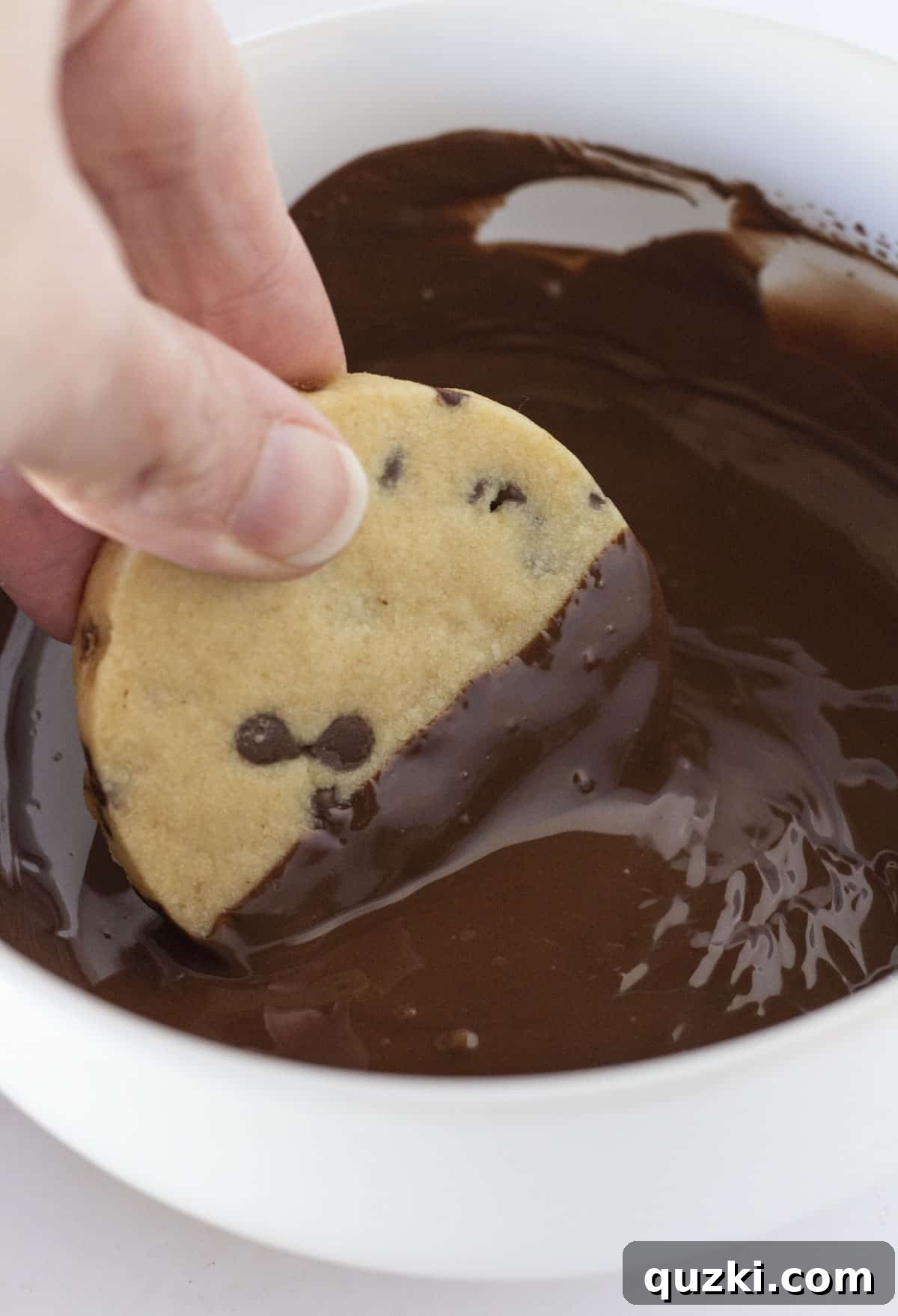
- Master the Art of Dipping: Take one completely cooled cookie at a time and, holding it gently, dip precisely half of it into the pool of perfectly melted chocolate. Allow any excess chocolate to gracefully drip back into the bowl; this critical step prevents an overly thick, clumpy coating and ensures a clean, elegant, and professional-looking finish. You can gently shake or lightly tap the cookie against the edge of the bowl to encourage the excess chocolate to drip off.
- Set the Chocolate to Perfection: Carefully place each chocolate-dipped cookie onto a baking tray that has been lined with parchment paper or a silicone mat. Repeat this meticulous process with all remaining cookies. Once all cookies are dipped, transfer the tray to the refrigerator for approximately 10-15 minutes, or until the chocolate has fully set and hardened to a firm, glossy finish. For an exquisite and optional flourish, consider sprinkling a tiny amount of flaky sea salt on the still-wet chocolate before it sets, or drizzle a contrasting color of melted chocolate (like white chocolate) over the set chocolate for an artistic and visually stunning touch.
Creative Substitutions for Your Shortbread Recipe
While the classic five-ingredient structure provides the perfect, unyielding foundation for these exquisite shortbread cookies, one of the true beauties of this recipe lies in its remarkable adaptability. It is absolutely crucial to reiterate that using real, high-quality butter and precise measurements of all-purpose flour are non-negotiable for achieving the best possible results; these two ingredients alone provide the essential fat and structural integrity that uniquely define the melt-in-your-mouth texture of shortbread. However, when it comes to the “add-in” ingredients, your culinary creativity is invited to truly shine. Here are some fantastic and inspiring substitution ideas to help you customize and personalize your shortbread, making it uniquely yours:
- Rich Toffee Bits: For an irresistible buttery, sweet, and slightly chewy caramel crunch, generously stir in approximately 1/2 cup of high-quality toffee bits. They introduce a delightful texture and a deeply rich, caramelized flavor that pairs wonderfully with the shortbread base.
- Elegant Cranberry and Pistachio: This combination offers a sophisticated and visually appealing twist. Incorporate 1/4 cup of dried cranberries (finely chopped if they are large) and 1/4 cup of shelled pistachios (lightly chopped) for a festive aesthetic and a bright, slightly tart flavor contrast.
- Playful Mini M&M’s or Colorful Sprinkles: Perfect for injecting a dose of fun and color into your shortbread, making them ideal for birthdays, holiday celebrations, or simply to brighten a mundane day. Always opt for mini versions to ensure they integrate smoothly into the dough without causing issues during the cutting process.
- Aromatic Citrus Zest: For a bright, incredibly aromatic, and refreshing twist, add 1-2 tablespoons of finely grated zest from lemons, oranges, or limes to the dough. The natural oils in the zest release their vibrant essence during baking, infusing the shortbread with an invigorating, tangy flavor that is truly delightful.
- Crunchy Nuts: Finely chopped varieties of nuts such as pecans, walnuts, or almonds can introduce a lovely textural crunch and a delicate nutty depth to the cookies. Ensure they are finely chopped to prevent any interference with the clean cutting of the shortbread dough.
- Warm Spices: A subtle pinch of warming spices like cinnamon, nutmeg, cardamom, or even a hint of ground ginger can transform your shortbread into a comforting, spiced delight. These are particularly wonderful and evocative for the cooler autumn and winter months.
- Diverse Chocolate Variations: Beyond the classic semi-sweet, explore other chocolate options. Try creamy milk chocolate chips for a sweeter, more comforting profile, or intensely rich dark chocolate chunks for a deeper, more sophisticated cocoa flavor. White chocolate chips paired with dried cherries or finely chopped macadamia nuts also create an exquisite and luxurious combination.
- Unexpected Herbs: For a truly unique and surprisingly harmonious savory-sweet note, consider incorporating finely minced fresh rosemary or delicate lavender. These herbs often pair beautifully with citrus zest or white chocolate, offering an unexpected gourmet touch.
Embrace the spirit of experimentation! However, always be mindful of the total volume of your add-ins to maintain the structural integrity and perfect texture of the dough. Generally, adhering to approximately 1/2 to 3/4 cup of total mix-ins works optimally for this specific recipe, ensuring a balanced and consistent result.
Expert Tips for Flawless Shortbread
Achieving perfectly crisp, tender, and intensely buttery shortbread isn’t inherently difficult, but a few key techniques and expert insights can make an enormous difference in the final outcome. Follow these invaluable tips diligently to ensure your chocolate chip shortbread cookies are consistently excellent, garnering rave reviews every time you bake them:
- Prioritize Uncompromising Quality Butter: The very essence of your shortbread’s flavor and its characteristic melt-in-your-mouth texture hinges almost entirely on the quality and type of butter you use. Always, without exception, use real butter; avoid any substitutes like margarine or butter blends, as they simply won’t yield the same exquisite results. A high-quality butter, ideally a European-style variant with its distinctively higher fat content and lower water content, will invariably produce a richer flavor and a more tender, crumbly crumb. Crucially, ensure your butter is at the proper room temperature – it should be soft enough to easily cream with sugar without resistance, but never melted or greasy. This specific consistency allows it to effectively incorporate air, which is vital for creating that coveted light and airy texture.
- Absolutely Resist Adding Any Liquid to the Dough: Shortbread dough is fundamentally unique; its nature dictates that it will be a bit dry and crumbly in its initial stages. A common and significant mistake many bakers make is to mistakenly add milk, water, or any other liquid to make it more pliable. Introducing additional moisture will fundamentally alter the dough’s composition and, most importantly, prevent the development of the characteristic crispness that defines shortbread. Trust the established process: continue patiently working the dough with your mixer (and definitely finish by hand if the mixer struggles) until the gentle friction and the natural oils from the butter coax it into a cohesive, uniform mass. Patience truly is a virtue in this particular step.
- Never, Ever Skip the Crucial Chilling Step: This seemingly simple step is, without a doubt, absolutely paramount for achieving flawless shortbread. Chilling the dough for at least an hour (or ideally, even overnight for deeper flavor development) accomplishes several vital objectives:
- It thoroughly solidifies the butter within the dough, which is the primary mechanism that prevents the cookies from spreading excessively in the oven. This ensures they meticulously maintain their intended shape and develop beautifully crisp, well-defined edges.
- It allows ample time for the flour to fully hydrate and for the gluten to relax, resulting in a significantly more uniform, tender, and less prone-to-crumbly texture.
- Perhaps most importantly, it grants all the flavors, particularly those derived from the rich brown sugar and creamy butter, sufficient time to thoroughly meld, deepen, and concentrate, thereby enhancing the overall taste experience considerably.
- Embrace the Minimal Spreading Characteristic: Unlike many conventional drop cookies that spread significantly during baking, shortbread cookies are distinctly known for their minimal expansion in the oven. This unique characteristic is wonderfully advantageous because it means you can confidently place them relatively close together on the baking sheet without any concern of them merging into one giant, amorphous cookie. This efficiency allows you to bake a larger quantity of cookies in fewer batches, saving valuable time and energy.
- Bake Low and Slow for Unrivaled Crispness: Never be tempted to hastily increase the oven temperature or impatiently pull the cookies out before their designated baking time is complete. Shortbread demands a specific, lower baking temperature (approximately 300°F/150°C) for a slightly longer duration than most cookies. This gentle, consistent heat allows the inherent moisture to slowly and evenly evaporate from the dough, meticulously cultivating that perfectly crisp, dry, and crumbly texture so characteristic of authentic traditional shortbread. Monitor them closely: look for just a subtle hint of light golden color around the edges; the centers should ideally still retain a pale appearance.
- Cool Completely on the Baking Sheet: As tempting as it may be to immediately transfer your freshly baked shortbread, it is imperative to allow the cookies to cool entirely and undisturbed directly on the hot baking sheet once they are removed from the oven. During this critical cooling period, the cookies continue a gentle cooking process and gradually firm up, fully developing their final robust and beautifully crumbly texture. Attempting to move them too soon, while they are still warm and delicate, can easily cause them to break apart or lose their perfectly crafted shape.
By diligently adhering to these expert tips, you will consistently produce shortbread cookies that are not only delicious but also flawlessly textured and visually appealing, undoubtedly becoming the star of every cookie jar and a source of immense pride!
Storage and Freezing
Proper storage techniques are absolutely essential to maintaining the exquisite taste and delightful texture of your homemade chocolate chip shortbread cookies. Here’s how to best preserve their freshness and flavor:
- Storing Leftovers: To keep any leftover cookies wonderfully crisp and flavorful, ensure they are completely cooled to room temperature before storing. Then, place them in a high-quality airtight container. Stored properly, they will retain their freshness and deliciousness for up to 5 days on your countertop. Cooling them fully before storage is key to preventing condensation from forming inside the container, which can unfortunately lead to soggy cookies.
- Freezing for Later Enjoyment: This chocolate chip shortbread cookie recipe freezes exceptionally well, offering you the incredible convenience of enjoying homemade shortbread anytime the craving strikes. Once the cookies have cooled completely after baking, arrange them in a single layer on a baking sheet and place them in the freezer until they are solid. This initial freezing step prevents them from sticking together. Once frozen solid, transfer the cookies to a freezer-safe airtight container or a heavy-duty freezer bag. They will flawlessly maintain their quality, taste, and texture for up to 3 months. To enjoy, simply remove the desired number of cookies and allow them to thaw gently at room temperature for a delicious treat.
Recipe FAQs
Here are detailed answers to some frequently asked questions, designed to help you confidently bake the most perfect shortbread cookies:
Do I need a mixer to make this cookie recipe?
While it is technically possible to make this shortbread dough by hand, it would require a sturdy whisk, considerable effort, and a lot of elbow grease. For optimal results and ease of preparation, you truly do need some form of mixer – either an electric hand mixer or a stand mixer fitted with a paddle attachment – to get the dough to come together properly. Shortbread dough, particularly after the flour is added, becomes quite dense and can be challenging to mix into that initial “fine crumbs” stage and then subsequently into a cohesive dough. A mixer dramatically streamlines this process, ensuring that the butter and brown sugar are perfectly creamed, which is a fundamental step for achieving the desired light and tender texture. If you are determined to work by hand, be prepared for a vigorous arm workout!
Do I have to add chocolate chips?
Absolutely not! These shortbread cookies are remarkably awesome and delicious even without the inclusion of chocolate chips. The brown sugar, a key differentiator in this recipe, works wonders by imparting a rich, deep flavor and a wonderfully slight chewiness that is incredibly satisfying on its own. If your preference is for a pure, unadulterated shortbread experience, simply omit the mini chocolate chips entirely. You will still be left with a rich, intensely buttery, and perfectly crisp cookie that stands proudly on its own merits.
Can I use regular sized chocolate chips?
I strongly advise against using regular-sized chocolate chips for this particular recipe. The primary reason for this recommendation is that we are actively rolling out and then cutting these cookies into specific shapes. Regular-sized chocolate chips would significantly complicate this step. They tend to create uneven surfaces in the rolled dough, making it difficult to achieve a smooth, consistent thickness. Furthermore, they can cause the dough to tear when the cookie cutter is pressed down, and often lead to misshapen or imperfectly formed cookies. Mini chocolate chips are specifically chosen because they integrate seamlessly into the dough and do not interfere with the clean, precise cuts required for beautifully shaped shortbread.
Can I use other shaped cookie cutters?
Yes, you are absolutely welcome to use other shaped cookie cutters to add a personal touch to your shortbread! However, for the best results and to ensure a clean, crisp cut, the cookie cutter should be relatively simple in its design. Intricate shapes with numerous small details or delicate points might prove challenging to cut cleanly from the shortbread dough, especially after it has been chilled and firmed up. Classic, straightforward shapes such as squares, rectangles, stars, or even hearts work wonderfully and yield beautiful results. Just ensure your dough is properly chilled to prevent sticking and to maintain those sharp, well-defined edges.
What are the common mistakes when making shortbread?
Understanding and avoiding common pitfalls can significantly improve your shortbread baking success:
- Overworking the Dough: This is arguably the most prevalent and impactful mistake. Once flour is introduced, excessive mixing or vigorous kneading quickly develops gluten, which is the nemesis of tender shortbread. Instead of a delicate, crumbly texture, you’ll end up with a tough, chewy cookie. Always mix just until the ingredients are combined and then bring the dough together gently.
- Incorrect Baking Time and Temperature: Shortbread is not like most cookies. It requires a specific lower baking temperature (300°F/150°C) and a slightly longer duration. Pulling them out prematurely will leave them soft and undone rather than perfectly crisp. Conversely, baking them for too long or at too high a temperature can result in hard, dry, and potentially burnt cookies. Always aim for those lightly golden edges as your perfect indicator.
- Improper Butter to Flour Ratio: The precise ratio of butter to flour is fundamental to shortbread’s unique and beloved texture. If you incorporate too much flour, the dough will become excessively dry, crumbly, and incredibly difficult to bring together. Conversely, if there’s an excess of butter, the cookies might spread too much during baking, become greasy, or lack the desired firm structure. Meticulously stick to the recipe’s exact measurements for optimal and consistent results.
- Skipping the Essential Chilling Step: As previously emphasized, chilling the dough is absolutely vital. Without this crucial step, the butter will melt too quickly once the dough enters the warm oven, causing the cookies to spread excessively and completely lose their signature crisp texture.
- Using Melted or Overly Cold Butter: The temperature of your butter is paramount. Always use softened butter, not melted butter, for the initial creaming stage. If the butter is too cold, it won’t combine effectively with the sugar, leading to a lumpy dough and an inconsistent texture.
Explore More Shortbread Recipes
If you’ve been captivated by the irresistible buttery charm and delightful crispness of shortbread, then you’re truly in for a treat! The culinary world offers an expansive array of shortbread variations, each presenting its own unique and exciting twist on this beloved classic cookie. Here are a few more delectable recipes to further inspire your baking adventures and expand your shortbread repertoire:
Bars
Easy Pecan Shortbread Bars Recipe
Cookies
Easy Brown Sugar Shortbread Cookies Recipe
Cookies
Super Easy Raspberry Crumble Cookies Recipe
Bars
Salted Caramel Butter Bars made with a Cake Mix
Did you try this recipe? Leave a ⭐ review below and tag @practicallyhomemade on Pinterest!
★★★★★ (Average 4.54 from 180 votes)
Chocolate Chip Shortbread Cookies
This is a rich and intensely buttery shortbread, elegantly sweetened with the warmth of brown sugar and generously filled with delightful mini chocolate chips. An optional, luxurious dip in melted chocolate takes these already wonderful cookies to a new level of indulgence and gourmet appeal.
Rate Recipe
Print Recipe
Ingredients
- 1 cup (226g) unsalted butter, softened
- 1/2 cup (100g) light or dark brown sugar, packed
- 2 1/4 cups (270g) all-purpose flour
- 1/4 tsp salt
- 1/2 cup (85g) mini semi-sweet chocolate chips
Optional for Dipping:
- 4-5 squares (approx. 4 oz) Almond Bark or good quality melting chocolate
Instructions
- Prepare the Dough: In a large mixing bowl, beat the softened butter and brown sugar with an electric mixer until the mixture is light, fluffy, and noticeably pale. Gradually add the all-purpose flour and salt, mixing on low speed until the ingredients are just incorporated and resemble fine, coarse crumbs. If the dough still appears crumbly, use your clean hands to gently knead and press it together until it forms a cohesive ball. Carefully fold in the mini chocolate chips until they are evenly distributed throughout the dough.
- Chill the Dough: Transfer the prepared dough into a gallon-sized zipper bag. Using your hands or a rolling pin, press and roll the dough out evenly to completely fill the bag, ensuring it reaches all edges and corners for uniform thickness. Securely seal the bag and refrigerate for a minimum of one hour. This chilling step is essential for preventing the cookies from spreading and for developing their final crisp texture and deep flavor.
- Cut and Bake: Preheat your oven to 300°F (150°C). Line two baking sheets with either silicone mats or parchment paper. Remove the chilled dough from the refrigerator and allow it to sit at room temperature for about 5-10 minutes to soften slightly, making it easier to cut. Carefully cut open the zipper bag and use a 2-inch round cookie cutter to cut approximately 24 cookies from the dough. Arrange 12-15 cookies on each prepared baking sheet, leaving about 1 inch between them. Bake for 18-20 minutes, or until the edges are just beginning to turn a very light golden brown. The centers may remain pale. Remove from the oven and allow the cookies to cool completely on the baking sheets. This step ensures maximum crispness.
- Optional Chocolate Dip: If you choose to dip your shortbread, ensure the cookies are entirely cool. Melt 4-5 squares of almond bark or an equivalent amount of melting chocolate in a microwave-safe bowl. Microwave in 30-second increments, stirring well after each, until the chocolate is smooth and fully melted. Dip half of each cooled shortbread cookie into the melted chocolate, allowing any excess to drip off. Place the chocolate-covered cookies onto a parchment-lined tray to set. For a quicker set, you can place the tray in the refrigerator for 10-15 minutes.
- Storage: Store the cooled shortbread cookies in an airtight container at room temperature for up to 5 days. For longer storage, these cookies freeze beautifully for up to 3 months. Thaw at room temperature before enjoying.
Notes for Perfect Shortbread
- Always use a high-quality, real butter for the best flavor and texture.
- Do not add any liquid to the dough; it is meant to be crumbly initially. Continue working it by hand until it comes together.
- Chilling the dough is a non-negotiable step that prevents spreading and creates a wonderfully crisp texture.
- Shortbread cookies do not spread much, so you can place them closer together on the baking sheet.
- Bake at a low temperature (300°F/150°C) until only the edges are lightly golden to ensure perfect crispness.
- Cool the cookies completely on the baking sheet to allow them to firm up and achieve their optimal texture.
Nutrition Information
Serving Size: 1 cookie
Calories: 147 kcal
Carbohydrates: 16g
Protein: 1g
Fat: 9g
Saturated Fat: 5g
Polyunsaturated Fat: 0.3g
Monounsaturated Fat: 2g
Trans Fat: 0.3g
Cholesterol: 21mg
Sodium: 89mg
Potassium: 21mg
Fiber: 0.4g
Sugar: 7g
Vitamin A: 245 IU
Vitamin C: 0.02mg
Calcium: 12mg
Iron: 1mg
Nutrition information is automatically calculated and should be used as an approximation. Individual results may vary.
Enjoyed this recipe? Please consider leaving a comment or rating below!