
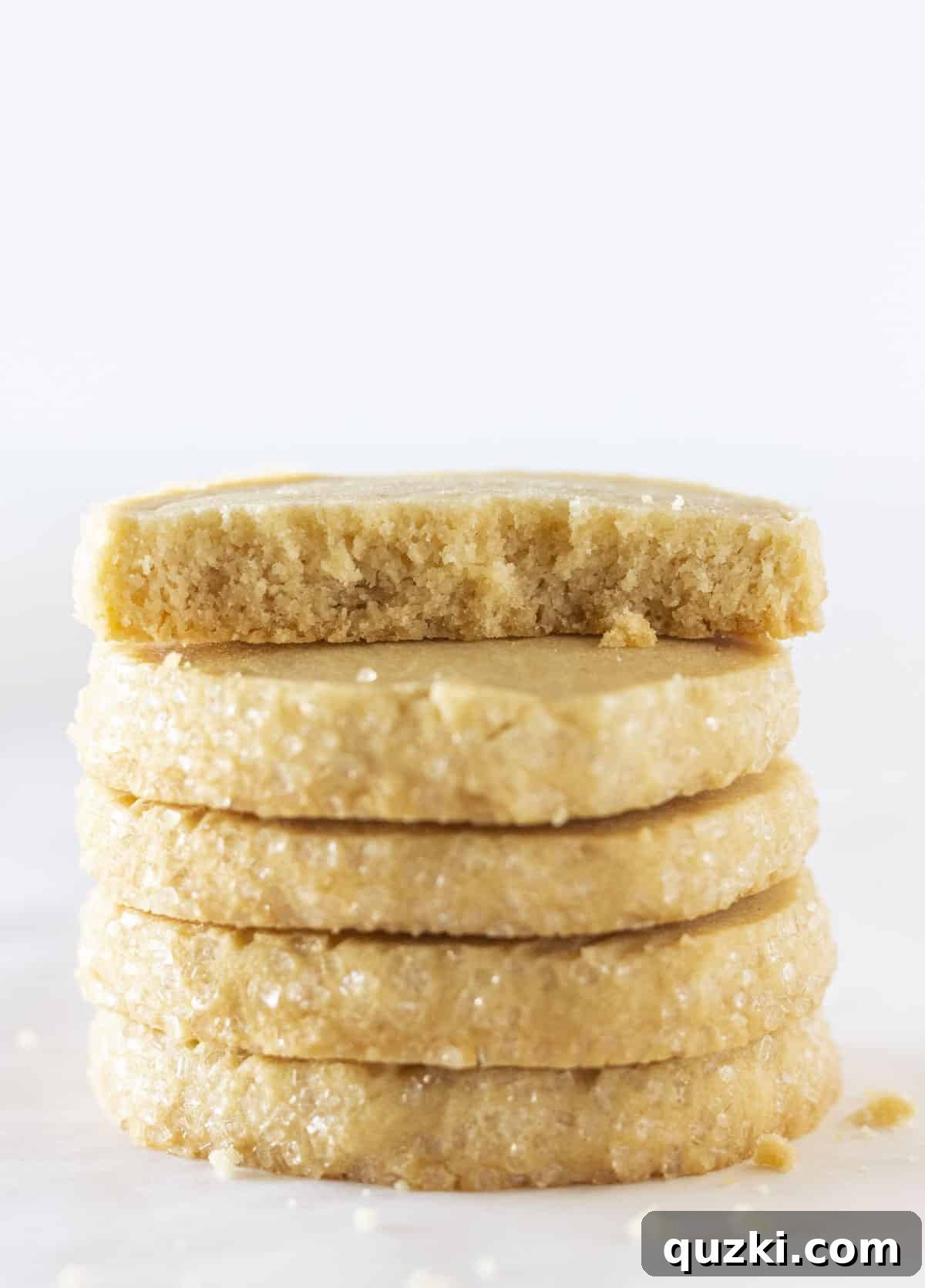
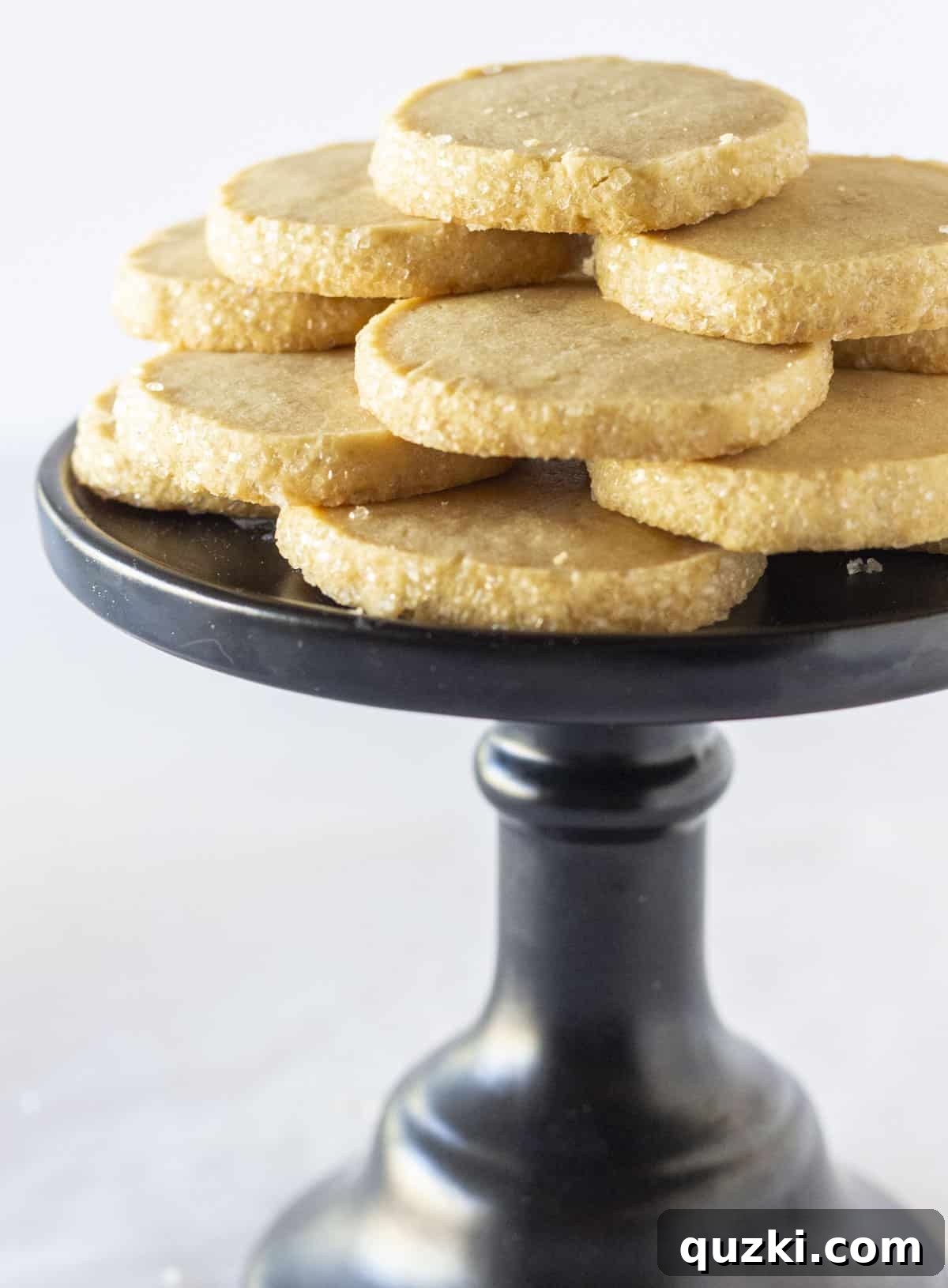
Embark on a culinary journey with this exceptional Brown Sugar Shortbread Cookies recipe, a delightful twist on a timeless classic. While traditional shortbread typically relies on granulated sugar, the incorporation of rich brown sugar in this recipe makes an extraordinary difference, elevating both the flavor profile and texture to new heights. The molasses in brown sugar imparts a wonderfully deep, almost nutty flavor, all without the need for actual nuts, making it a fantastic option for those with allergies or preferences. Furthermore, it bestows a beautiful golden hue upon the cookies, enhancing their visual appeal.
But the true secret to taking these cookies from great to absolutely unforgettable lies in a simple yet transformative step: rolling the dough in sparkling sanding sugar. This outer coating adds an exquisite, unexpected crunch that contrasts perfectly with the tender, melt-in-your-mouth interior, creating a textural experience that will genuinely surprise and delight you.
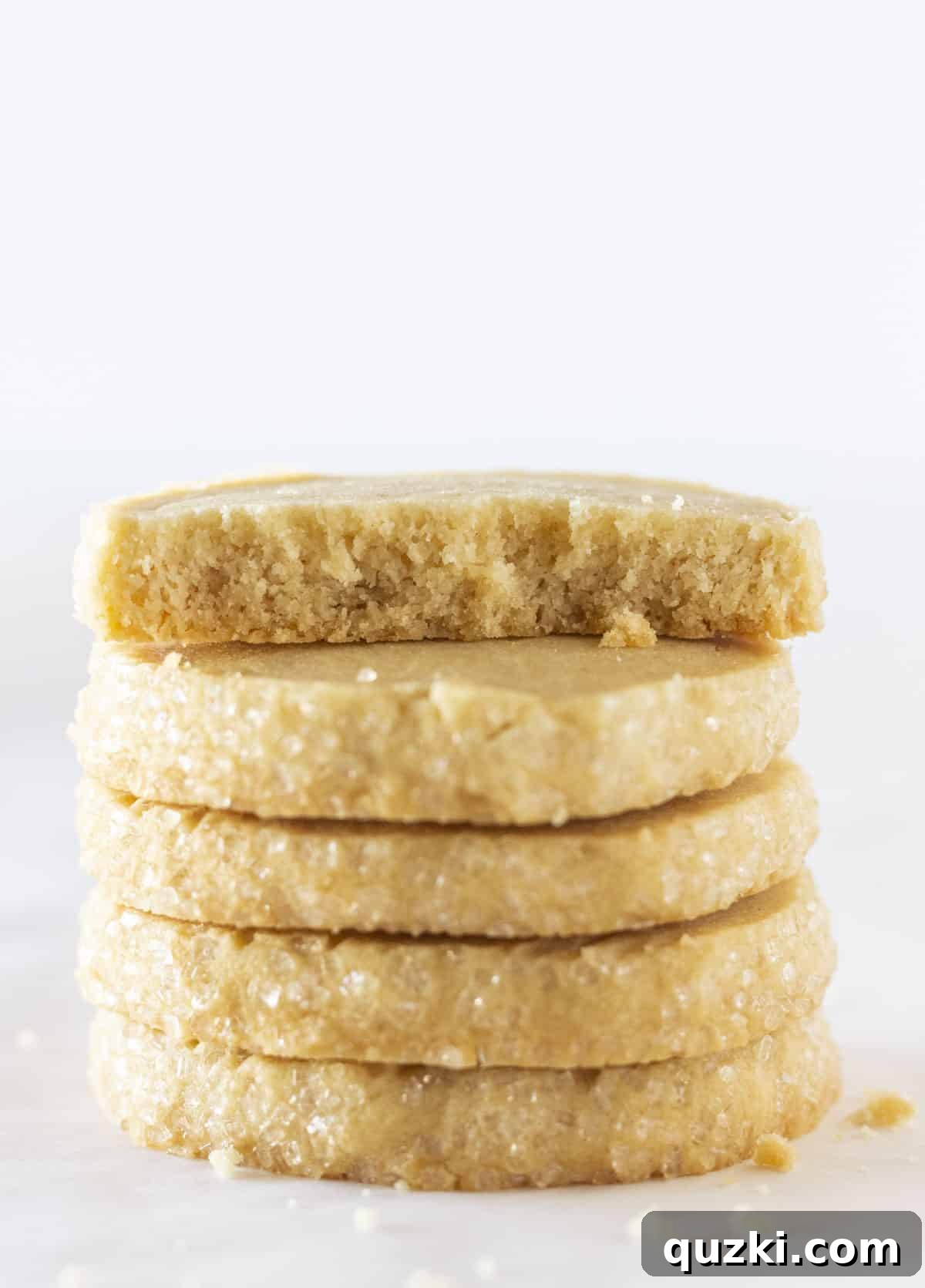
The Ultimate Brown Sugar Shortbread Cookies
There are countless reasons why this Brown Sugar Shortbread Cookies recipe will quickly become a cherished favorite in your baking repertoire. First and foremost, its simplicity is unmatched; you only need four fundamental ingredients to create these incredibly flavorful treats. This makes it an ideal recipe for beginner bakers, busy weeknights, or when you need a quick yet impressive dessert.
Beyond its ease, the star of this recipe is undoubtedly brown sugar itself. It’s truly one of the most versatile and beloved ingredients in the baking world, renowned for its rich, complex flavor. The addition of molasses to the sugar crystals is what gives brown sugar its characteristic moistness, chewiness, and that distinct caramel-like depth. Whether you opt for light or dark brown sugar, its unique qualities are what elevate these shortbread cookies from merely good to truly exceptional, offering a more nuanced and comforting taste than their granulated sugar counterparts. This richness pairs beautifully with the buttery base, creating a harmonious balance that is simply irresistible.
Essential Ingredients for Perfect Shortbread
Crafting these delectable shortbread cookies requires just a handful of quality ingredients. Each plays a crucial role in achieving that perfect texture and unforgettable flavor. Here’s a closer look at what goes into this simple yet powerful recipe:
- Butter: As a primary ingredient in shortbread, the quality of your butter matters significantly. I always advocate for using a good quality, salted butter, as it adds a wonderful depth of flavor and helps balance the sweetness. Ensure your butter is softened to room temperature before you begin. This is crucial for proper creaming with the sugar, leading to a light and airy dough. If you opt for unsalted butter, you’ll want to increase the amount of added salt in the recipe to about 1/2 teaspoon to achieve that perfect flavor balance.
- Brown Sugar: This is where our shortbread gets its signature twist! I personally love using dark brown sugar because it imparts an even richer, more pronounced molasses flavor and a slightly deeper color to the cookies. However, feel free to use light brown sugar if that’s what you have on hand, or if you prefer a milder taste. The brown sugar not only sweetens but also contributes to the cookies’ tender, slightly chewy interior, a delightful contrast to traditional crisp shortbread.
- All-Purpose Flour: Achieving the perfect butter-to-flour ratio is the cornerstone of great shortbread. All-purpose flour provides the necessary structure without making the cookies tough. Precision in measurement is key here; always spoon your flour into the measuring cup and level it off with a straight edge to avoid over-measuring, which can result in dry, crumbly cookies.
- Salt: A touch of salt is essential to enhance the flavors and cut through the sweetness, preventing the cookies from tasting one-dimensional. As mentioned, if you use unsalted butter, increase the salt to 1/2 teaspoon. I prefer a slightly salty cookie, which is why a bit of added salt to the dough, in conjunction with salted butter, creates the ideal flavor profile.
- Sanding Sugar: This ingredient is the secret weapon for an incredible textural experience! Sanding sugar, often found in the sprinkles or baking aisle of your grocery store (not typically with granulated sugars), has larger crystals than regular sugar. When rolled onto the dough, it doesn’t melt completely during baking, providing a fantastic, sparkling crunch to the exterior of each cookie. It adds a lovely visual appeal and a satisfying textural contrast without adding excessive sweetness.
Creative Recipe Variations to Explore
While these Brown Sugar Shortbread Cookies are absolutely perfect in their original form, their versatile base allows for exciting customizations. Don’t hesitate to get creative and experiment with different additions and coatings to make them truly your own.
Dough Enhancements
Of course, our recipe celebrates the unique flavor of brown sugar, but if you’re out of it or simply prefer, granulated sugar can be used as a direct substitute for a more classic shortbread profile. Beyond the sugar, there are many ways to infuse additional flavor and texture into the dough itself:
- Chocolate Chips: For the ultimate indulgence, fold in some mini chocolate chips or finely chopped chocolate pieces into the dough before chilling. Dark, milk, or even white chocolate would be delicious.
- Chopped Nuts: If allergies aren’t a concern, toasted and finely chopped nuts like pecans, walnuts, or almonds can add a wonderful crunch and depth of flavor that complements the nutty notes of brown sugar.
- Citrus Zest: A teaspoon of finely grated orange or lemon zest can brighten the flavor of the shortbread, adding a fresh, aromatic twist.
- Spices: Warm spices like a pinch of cinnamon, nutmeg, or even cardamom can add an intriguing layer of complexity, especially for fall or holiday baking.
- Extracts: Beyond vanilla, consider almond extract for a marzipan-like note, or even a touch of maple extract to enhance the brown sugar flavor.
Outside Coating Innovations
The sanding sugar coating is a game-changer, providing a delightful crunch and sparkle. However, the possibilities for adorning these Brown Sugar Shortbread Cookies are vast:
- Different Sprinkles: Explore various types of sprinkles for a fun, festive look. Nonpareils, jimmies, or even coarse decorative sugars in different colors can add a pop of color and texture.
- Finely Chopped Nuts: If you didn’t add nuts to the dough, rolling the log in finely chopped nuts before chilling will create a beautiful, crunchy perimeter.
- Cookie Crumbs: Crushed digestive biscuits, graham crackers, or even finely ground shortbread crumbs can offer an interesting texture and flavor.
- Toasted Coconut: Roll the log in finely shredded, toasted coconut for a tropical twist.
- Demerara Sugar: For a more subtle crunch and a hint of caramel, use demerara sugar, which has larger, golden crystals.
- Chocolate Drizzle: After baking and cooling, drizzle the shortbread with melted dark, milk, or white chocolate for an elegant finish.
- Simple Glaze: A quick glaze made from powdered sugar and a touch of milk or lemon juice can add a touch of sweetness and a soft sheen.
Step-by-Step Guide: How to Make Brown Sugar Shortbread Cookies
Making these delightful brown sugar shortbread cookies is a straightforward process, ensuring a rewarding baking experience. Follow these steps carefully to achieve perfectly crisp and flavorful results:
- Cream Butter and Sugar: In a medium mixing bowl, combine the softened butter and the packed brown sugar. Using a handheld or stand mixer fitted with the paddle attachment, cream these two ingredients together on medium speed until the mixture becomes visibly light and fluffy. This typically takes about 2 minutes. Proper creaming incorporates air into the mixture, which is essential for the shortbread’s tender texture.
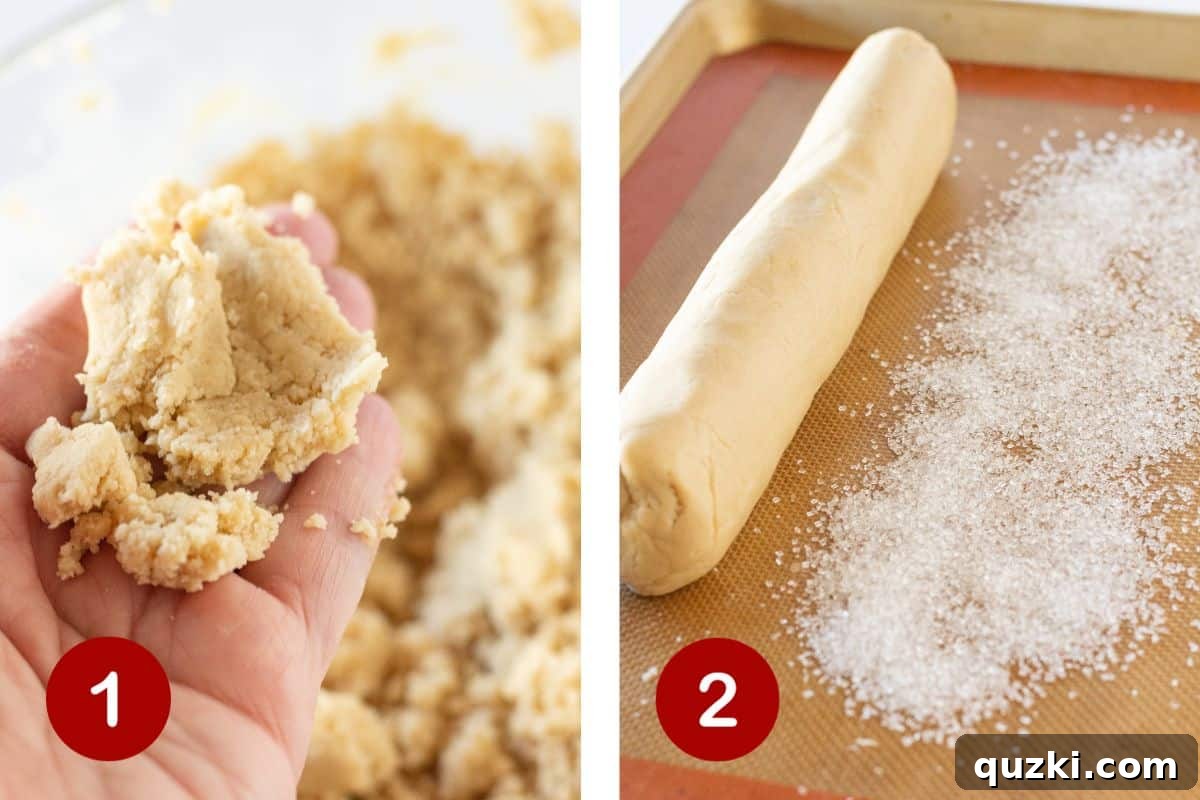
- Incorporate Dry Ingredients: Reduce the mixer speed to low. Gradually add the all-purpose flour and salt to the creamed butter and sugar mixture. Continue to mix until the ingredients are just combined and the mixture starts to come together. At this stage, the dough will likely appear crumbly. Don’t worry, this is normal for shortbread dough. Gently use your hands to bring the crumbly mixture together and knead it briefly until it forms a cohesive ball. Overmixing the flour can develop gluten, leading to tougher cookies, so mix just until combined.
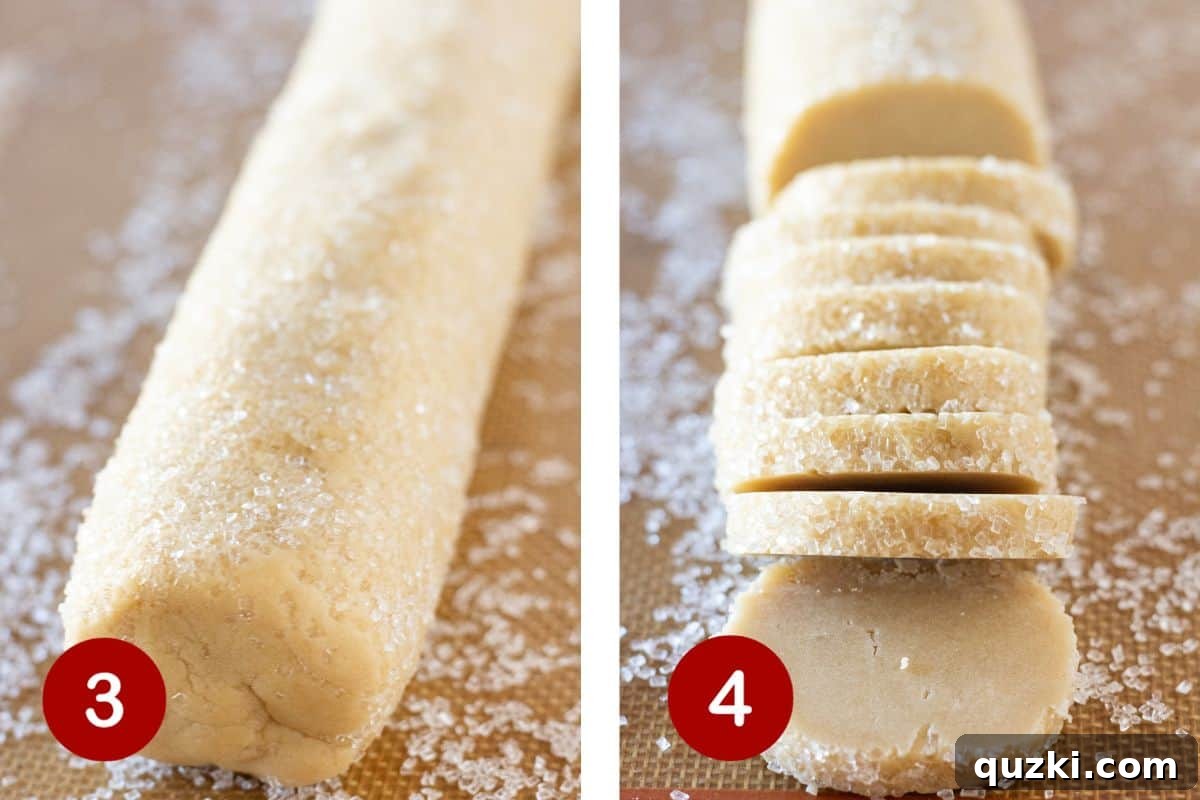
- Shape and Coat the Dough: Lightly flour your work surface, or lay down a silicone mat or parchment paper. Take the dough ball and gently roll it into a long, uniform log, approximately 2 inches in diameter and about 12 inches in length. This shape ensures evenly sized cookies when sliced. Sprinkle the sanding sugar generously onto a separate piece of parchment paper or directly onto a baking sheet. Place the dough log onto the sanding sugar and gently roll it, applying a little pressure, until the entire surface is evenly coated with as much sanding sugar as you desire. Once coated, wrap the sugared dough log tightly in plastic wrap and refrigerate it for a minimum of one hour. Chilling the dough is critical as it firms up the butter, preventing the cookies from spreading excessively during baking and making them much easier to slice cleanly.
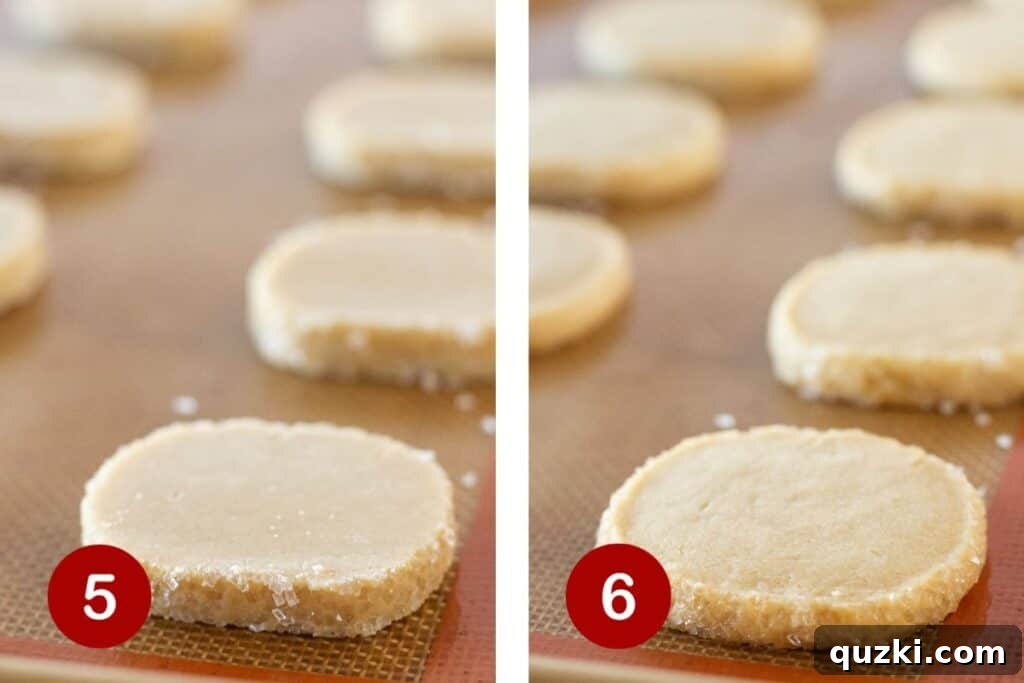
- Slice and Prepare for Baking: After the dough has sufficiently chilled, remove it from the refrigerator and unwrap it. Preheat your oven to 300°F (150°C). Using a sharp knife, carefully cut the dough log into uniform slices, approximately quarter-inch thick. You should yield around 24 cookies, possibly more depending on the thickness of your slices. Arrange the cookie dough slices onto baking sheets lined with silicone mats or parchment paper, ensuring they are spaced about 1-2 inches apart to allow for slight expansion during baking.
- Bake to Golden Perfection: Place the baking sheets in the preheated oven and bake for 18-22 minutes. The exact baking time may vary slightly depending on your oven. Keep a close eye on them; the cookies are done when their edges just begin to turn a light golden brown. Shortbread should not be deeply colored; a pale golden edge indicates they are perfectly baked.
- Cool Completely: Once baked, carefully remove the baking sheets from the oven. It is crucial to allow the cookies to cool completely on the baking sheet itself. Shortbread is delicate when warm, and moving them too soon can cause them to break. Cooling on the baking sheet also helps them crisp up beautifully, contributing to that wonderful melt-in-your-mouth, yet firm, texture that defines excellent shortbread.
Expert Tips for Shortbread Success
Even though this recipe is designed to be easy, a few expert tips can ensure your brown sugar shortbread cookies turn out perfectly every time:
- Don’t Skip the Outside Coating: Whether you choose sanding sugar, finely chopped nuts, or another ingredient, coating the outside of the dough log is a simple yet impactful step. It adds a crucial layer of texture and often an extra dimension of flavor, elevating the simple shortbread to something truly special. The contrast between the crisp exterior and tender interior is key.
- Prioritize Dough Refrigeration: This step is non-negotiable for ideal shortbread. Chilling the dough for at least one hour (or even overnight) significantly firms up the butter within the dough. This firmness prevents the cookies from spreading too much in the oven, maintaining their shape and thickness. More importantly, it allows you to slice the dough cleanly and easily into perfect rounds, ensuring uniform baking and a professional appearance.
- Ensure Adequate Spacing on Baking Sheets: While shortbread doesn’t spread as much as some other cookie types, it will still expand slightly. Placing cookies too close together on the baking sheet can cause them to bake unevenly, potentially merging into one large, shapeless cookie. Always give each cookie ample room (about 1-2 inches) to expand and bake properly, allowing hot air to circulate around them.
- Cool Cookies Completely on the Baking Sheet: Resist the urge to transfer warm shortbread immediately to a cooling rack. These cookies are delicate when hot, and moving them too soon can cause them to break or crumble. Allowing them to cool undisturbed on the baking sheet solidifies their structure and helps achieve that signature crisp exterior that we adore in slice-and-bake shortbread cookies.
- Accurate Ingredient Measurement: Baking is often a science. Use proper measuring techniques for both dry and wet ingredients. For flour, spoon it into your measuring cup and level it off. For brown sugar, pack it firmly into the cup. Precision ensures consistent results.
- Use a Good Quality Baking Sheet: A heavy-duty, light-colored baking sheet will conduct heat more evenly and prevent the bottom of your cookies from browning too quickly or burning. If you only have dark baking sheets, consider reducing the oven temperature by 25°F (about 15°C) and keeping a closer eye on the baking time.
Storage and Freezing Guidelines
Proper storage is essential to maintain the delicious crispness and flavor of your brown sugar shortbread cookies. Here’s how to keep them fresh:
Storage: Once completely cooled, store your shortbread cookies in an airtight container at room temperature. They will remain wonderfully fresh and crisp for up to 4 to 5 days. For best results, place parchment paper between layers of cookies to prevent them from sticking together, especially if your kitchen tends to be humid.
Freezing Baked Cookies: These cookies freeze exceptionally well, making them perfect for advance preparation or enjoying later. Arrange fully cooled shortbread cookies in a single layer on a baking sheet and freeze for about 30 minutes, or until solid. This “flash freezing” prevents them from sticking together. Then, transfer the frozen cookies to a freezer-safe airtight container or heavy-duty freezer bag, layering them with parchment paper if desired. They can be frozen for up to 3 months without compromising quality. To enjoy, simply thaw them at room temperature for an hour or two. You can even warm them slightly in a low oven for a fresh-baked feel.
Freezing Unbaked Dough: For ultimate convenience, you can also freeze the raw dough log. After shaping and coating the dough (step 3), wrap it very tightly in several layers of plastic wrap, then an additional layer of aluminum foil. Label and freeze for up to 3 months. When ready to bake, thaw the dough in the refrigerator overnight, then slice and bake as directed. This makes impromptu baking incredibly easy!
Craving More Classic Cookies? Explore These Recipes!
If you’ve fallen in love with the simple joy of classic cookies, you’ll be thrilled to discover more delightful recipes that promise comfort and deliciousness. Expand your baking repertoire with these tried-and-true favorites:
More Cookie Inspiration
Cookies
Easy Chocolate Brownie Mix Cookies Recipe
Cookies
Easy Snickerdoodles Cookies Recipe
Desserts
Grandma Pearl’s Super Soft Chocolate Chip Cookies
Cookies
Easy Cream Cheese Sugar Cookies Recipe
Have you tried this delightful recipe? We’d love to hear your thoughts! Leave a ⭐️ review below and tag @practicallyhomemade on Pinterest with your beautiful creations!
Easy Brown Sugar Shortbread Cookies
June Albertson-Dick
10 mins
22 mins
32 mins
24 cookies
Rate Recipe
Print Recipe
Ingredients
- 1 cup butter, softened
- ½ cup brown sugar, packed
- 2 ¼ cups all-purpose flour
- ¼ teaspoon salt
- ½ cup sanding sugar (optional)
Instructions
-
Combine the butter and brown sugar in a mixing bowl. Using a hand-held (or stand) mixer, cream together the ingredients until they are light and fluffy (this will take about 2 minutes).
-
Add the flour and salt to the butter and sugar mixture. Continue to mix until the mixture starts to come together. Note: The dough will be a bit crumbly. I suggest using your hands to knead the dough together into a ball.
-
Shape the dough into a long cylinder and place onto a silicone (or parchment) lined mat that is covered in sanding sugar. Roll the cylinder of dough in the sanding sugar to coat the outside of the dough. Wrap the sugar-coated dough in plastic wrap and refrigerate for at least 1 hour.
-
Preheat oven to 300°F (150°C). After the dough has chilled, cut the log into rounds and place them onto two silicone mat (or parchment) lined baking sheets. Bake for 18-22 minutes or until the cookies just start to begin turning light brown.
-
Remove from the oven and allow the cookies to cool completely on the baking sheet. Store in an airtight container for up to a week or freeze for up to 3 months.
Nutrition
Serving: 1 cookie, Calories: 142kcal, Carbohydrates: 17g, Protein: 1g, Fat: 8g, Saturated Fat: 5g, Polyunsaturated Fat: 1g, Monounsaturated Fat: 2g, Trans Fat: 1g, Cholesterol: 20mg, Sodium: 87mg, Potassium: 21mg, Fiber: 1g, Sugar: 8g, Vitamin A: 236IU, Calcium: 8mg, Iron: 1mg
Nutrition information is automatically calculated, so should only be used as an approximation.
Like this? Leave a comment below!