
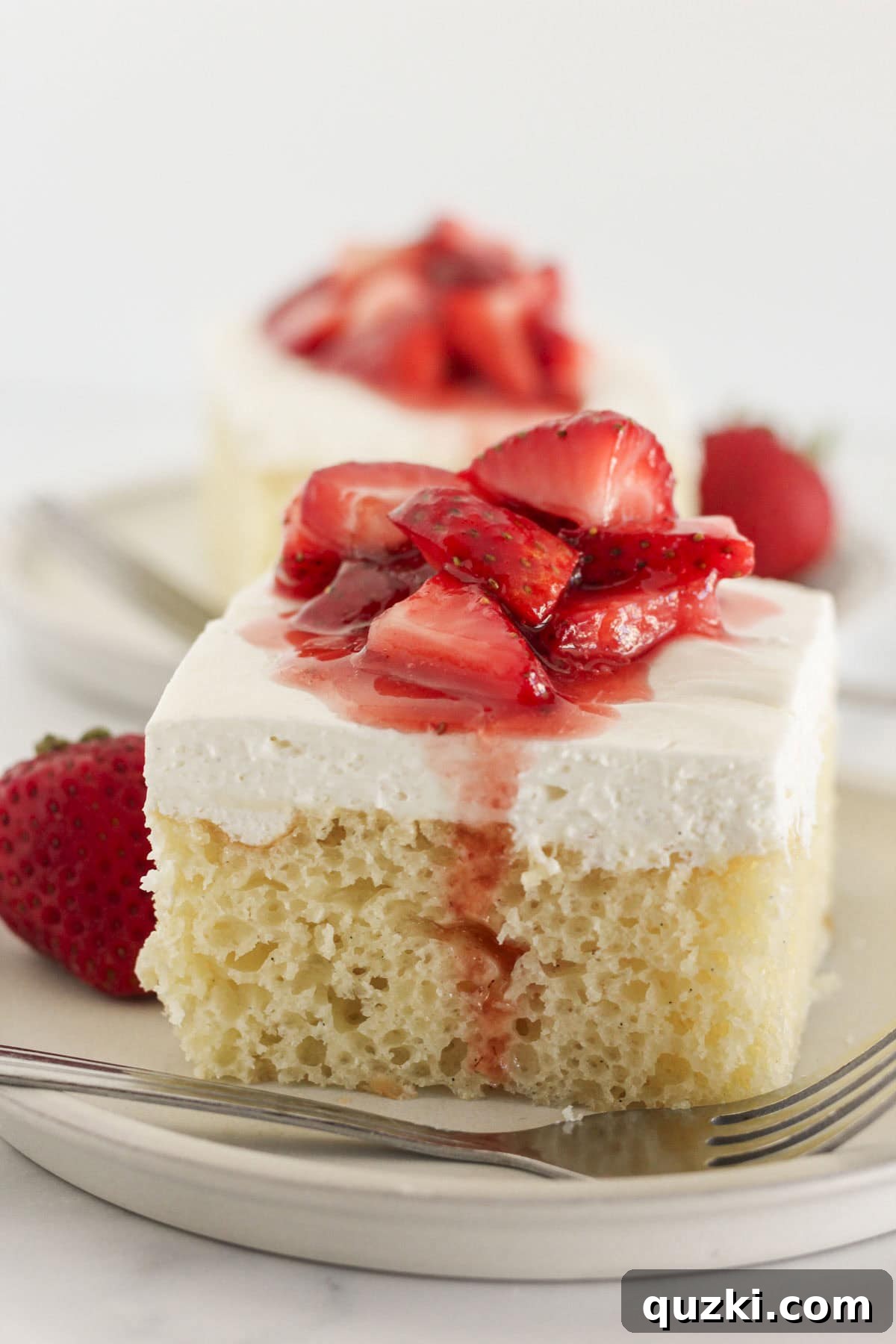
Baking can be a delightful adventure, but sometimes you find yourself staring at a recipe that calls for a specific cake mix you don’t have on hand. A common dilemma arises when a recipe specifies vanilla cake mix, but all you have is white cake mix – or vice versa. The good news for home bakers everywhere? These two popular cake mixes are remarkably similar and, in most everyday baking scenarios, can be used interchangeably with excellent results. This guide will help you understand the subtle differences and confidently make the swap, ensuring your baked goods turn out perfectly every time.
Having spent over two decades experimenting with various cake mixes in countless recipes—from chewy cookies and decadent dessert bars to fluffy cakes and quick bread—I’ve developed a keen understanding of when these mixes swap seamlessly and when a minor tweak can elevate your creation. Forget baking stress; embrace flexibility in your kitchen!
Table of Contents
- What’s the Real Difference Between Vanilla and White Cake Mixes?
- When Can You Confidently Use Vanilla and White Cake Mix Interchangeably?
- Simple Adjustments for Enhanced Flavor and Texture
- Bake Smart: Use What You Have and Embrace Flexibility
- Frequently Asked Questions About Cake Mix Swaps
- Delicious Recipes That Work with Either Vanilla or White Cake Mix
What’s the Real Difference Between Vanilla and White Cake Mixes?
At first glance, vanilla and white cake mixes might appear almost identical, but their primary distinctions lie in flavor profile and color. Understanding these nuances is key to knowing when and how to make effective substitutions.
Flavor Profile: Vanilla vs. Neutral
The most significant difference is, as the name suggests, the presence of vanilla flavoring. Vanilla cake mixes are formulated with added vanilla, which gives them a distinctively warm, aromatic, and slightly richer taste. This vanilla flavor typically comes from artificial or natural vanilla extracts included in the dry mix ingredients.
White cake mixes, on the other hand, are designed to have a more neutral or “clean” flavor profile. They often contain less, if any, added vanilla. This neutrality allows other flavors in a recipe to shine through, making white cake mix an excellent base for vibrant fruit-flavored cakes, intensely chocolate-layered desserts, or anything where a strong vanilla note might compete rather than complement.
Color: Golden Hue vs. Pure White
Another noticeable difference often stems from the egg requirements. Vanilla cake mixes commonly call for three whole eggs. The yolks from these whole eggs impart a subtle golden hue to the finished cake, contributing to that classic “vanilla” cake appearance.
White cake mixes, however, frequently offer the option of using four egg whites or three whole eggs. When egg whites are exclusively used, the resulting cake bakes up with a pristine, true white color. This makes white cake mix the preferred choice for elegant wedding cakes, baby shower desserts, or any occasion where a bright, unadulterated white color is desired for aesthetic reasons, especially when food coloring is involved.
Subtlety in Everyday Baking
While these differences exist, it’s crucial to remember that in most casual baking applications – particularly for cookies, dessert bars, and everyday cakes – these distinctions are often quite subtle. The presence of frosting, mix-ins, or other strong flavors can easily mask the slight differences in the base cake mix. Over years of baking, I’ve found that the average palate can barely discern the swap in a cookie or a heavily frosted sheet cake. The structural and textural outcomes also tend to be very similar, making them highly versatile kitchen staples.
When Can You Confidently Use Vanilla and White Cake Mix Interchangeably?
The good news is that for a vast majority of home baking projects, vanilla and white cake mixes are almost entirely interchangeable. My extensive experience, spanning decades of baking with these convenient mixes, confirms that I have yet to encounter a recipe where substituting one for the other led to a catastrophic failure. This flexibility makes them indispensable for busy bakers.
Perfect for Cookies and Bars
This interchangeability is particularly true and utterly seamless when it comes to cake mix cookies and dessert bars. These recipes often rely on the cake mix primarily for a convenient blend of dry ingredients (flour, sugar, leavening) and less on the specific subtle flavor nuances. Whether you pick up a box of vanilla or white cake mix, your cookie dough or bar batter will typically yield fantastic results.
If you’re using a white cake mix for a recipe that traditionally calls for vanilla, and you desire that classic vanilla flavor, a simple addition can bridge the gap beautifully. I always recommend adding a splash of good quality vanilla extract or, for a more intense and complex vanilla note, a teaspoon or two of vanilla bean paste. This small step ensures your white cake mix-based cookies or bars still deliver that comforting, familiar vanilla taste without compromising texture or overall deliciousness.
Versatile for Many Cake Applications
Beyond cookies and bars, vanilla and white cake mixes perform exceptionally well as direct substitutes in many types of cakes, including:
- Cupcakes: Small individual portions often benefit from frosting, making the base flavor distinction less critical.
- Muffins: Similar to cupcakes, the added ingredients (fruits, nuts, streusel) often become the star.
- Sheet Cakes: Especially those with generous frosting or fruit toppings, where the cake itself serves as a moist canvas.
- Pound Cakes: While pound cakes value a rich flavor, a white mix with added vanilla can often stand in admirably.
The beauty of these mixes lies in their pre-portioned, balanced dry ingredients, ensuring consistent results. Don’t let a missing box stop your baking creativity!
Simple Adjustments for Enhanced Flavor and Texture
While direct swaps generally work perfectly, there are specific situations, especially with certain cake types, where a small, thoughtful adjustment can significantly enhance the flavor and body of your finished dessert. This is particularly relevant if you’re swapping a white cake mix for a vanilla one in recipes where the cake’s structure and flavor are more prominent, such as elaborate Bundt cakes or sheet cake recipes designed for a standalone presentation.
Boosting Flavor and Structure
These simple upgrades are designed to add depth, richness, and improved texture, bringing a white cake mix closer to the robust profile of a classic vanilla cake. They are particularly effective when the cake itself is meant to be the star:
- Add One Extra Egg: This is a powerful yet simple trick. Incorporating one additional egg beyond what the box calls for adds invaluable structure, moisture, and richness to your cake. The extra protein helps create a tender crumb and a more stable cake, which is especially beneficial in larger format cakes or those with more intricate shapes. For instance, in a rich recipe like this Golden Oreo Cake, an extra egg ensures a robust, moist result.
- Replace Vegetable Oil with Melted Butter: While vegetable oil contributes to moisture, melted butter elevates the flavor significantly. Substituting vegetable oil with an equal amount of melted butter (cooled slightly) introduces a wonderfully rich, creamy, and complex flavor that vegetable oil simply cannot replicate. Butter also contributes to a more tender crumb and a pleasant mouthfeel, making the cake taste homemade and luxurious.
- Substitute Milk for Water: Many cake mixes call for water as the liquid component. By swapping water with an equal amount of milk (whole milk for maximum richness, or even buttermilk for a subtle tang and extra moisture), you instantly add fat and protein to the batter. This results in a cake with a noticeably richer flavor, a softer and more tender crumb, and often a better browning on the exterior. This is a swap I frequently employ in cakes like this delightful Marble Bundt Cake, where richness is key.
- Enhance with Extracts and Flavorings: As mentioned before, if using white cake mix, always consider adding 1-2 teaspoons of good quality vanilla extract or vanilla bean paste. Beyond vanilla, don’t hesitate to experiment with other complementary extracts like almond, lemon, or even a touch of rum extract, depending on your desired flavor profile.
- Consider a Pudding Mix Boost: For an extra level of moisture and richness, stirring in a small box (3.4 oz) of instant vanilla pudding mix (dry, not prepared) can do wonders. It absorbs moisture during baking, creating an incredibly tender and moist cake.
These small, intentional changes can transform a basic white cake mix into a dessert that tastes and feels significantly more elevated, rivaling cakes made from scratch. That said, for most quick and easy everyday baking – like those weeknight cookies or simple birthday cupcakes – these tweaks are helpful bonuses rather than strict necessities. The core message remains: flexibility is your friend in the kitchen!
Bake Smart: Use What You Have and Embrace Flexibility
Ultimately, the world of cake mixes is designed for convenience, and both vanilla and white varieties are remarkably similar in their fundamental composition. When you strip away the minor differences, they serve the same core purpose: providing a quick, reliable base for countless delicious desserts. For the vast majority of cookies, bars, cupcakes, and everyday cakes, you can confidently reach for either vanilla or white cake mix, knowing that your final product will be a success. The subtle distinctions in flavor and color rarely impact the overall enjoyment of a dessert, especially when paired with flavorful frostings, glazes, or mix-ins.
Small adjustments, such as adding an extra egg, swapping oil for butter, or using milk instead of water, are excellent tools for elevating your baking when desired. They provide an opportunity to customize and enhance the final product, but they are entirely optional. The most important ingredient in any recipe is confidence, and the most satisfying outcome is a delicious treat made with joy. So, the next time you’re faced with a recipe and a slightly different box of cake mix, remember this guide: use what you have, apply these simple tips if you wish, and bake with absolute confidence. Your taste buds (and your family and friends) will thank you!
Frequently Asked Questions About Cake Mix Swaps
Absolutely, yes! For cake mix cookies, vanilla and white cake mixes are almost entirely interchangeable. The structure and texture of the cookies will be very similar. If you prefer a stronger vanilla flavor, simply add 1 to 2 teaspoons of good quality vanilla extract or vanilla bean paste to your cookie dough when using white cake mix. This simple addition will ensure your cookies have that classic vanilla taste.
The difference in flavor is typically quite subtle. White cake mix tends to have a milder, more neutral flavor profile compared to vanilla cake mix, which has a distinct vanilla aroma and taste. In many recipes, especially those with frosting, fruit, or chocolate, this slight difference is barely noticeable. However, for a prominent vanilla flavor, a small splash of vanilla extract or vanilla bean paste added to the white cake mix batter can help boost and enrich the overall taste.
For most everyday baking and substitution purposes, the brand of cake mix generally doesn’t matter significantly. Major cake mix brands like Betty Crocker, Duncan Hines, Pillsbury, and others are formulated to perform similarly, providing consistent results. Always follow the specific mixing and baking instructions on the recipe or the cake mix box for the best outcome, regardless of the brand. Minor variations between brands are usually negligible when making these types of substitutions.
Yes, white cake mix is an excellent choice for cupcakes. Its neutral flavor and ability to produce a pure white crumb (especially when using egg whites) make it perfect for brightly colored frostings or fillings. If you want a more pronounced vanilla flavor in your cupcakes, simply add a teaspoon of vanilla extract to the batter. Otherwise, use it as directed for a beautifully light and tender base for your favorite cupcake creations.
While vanilla and white cake mixes are very similar, swapping a white cake mix for a chocolate one is a more significant change. White cake mix is a plain base, so it won’t provide the chocolate flavor. However, you can adapt the recipe by adding cocoa powder to the white cake mix. A good starting point is to add 1/2 to 3/4 cup of unsweetened cocoa powder to the dry mix, along with an extra tablespoon or two of liquid (milk or water) to compensate for the added dry ingredients. This will transform it into a chocolate cake mix substitute.
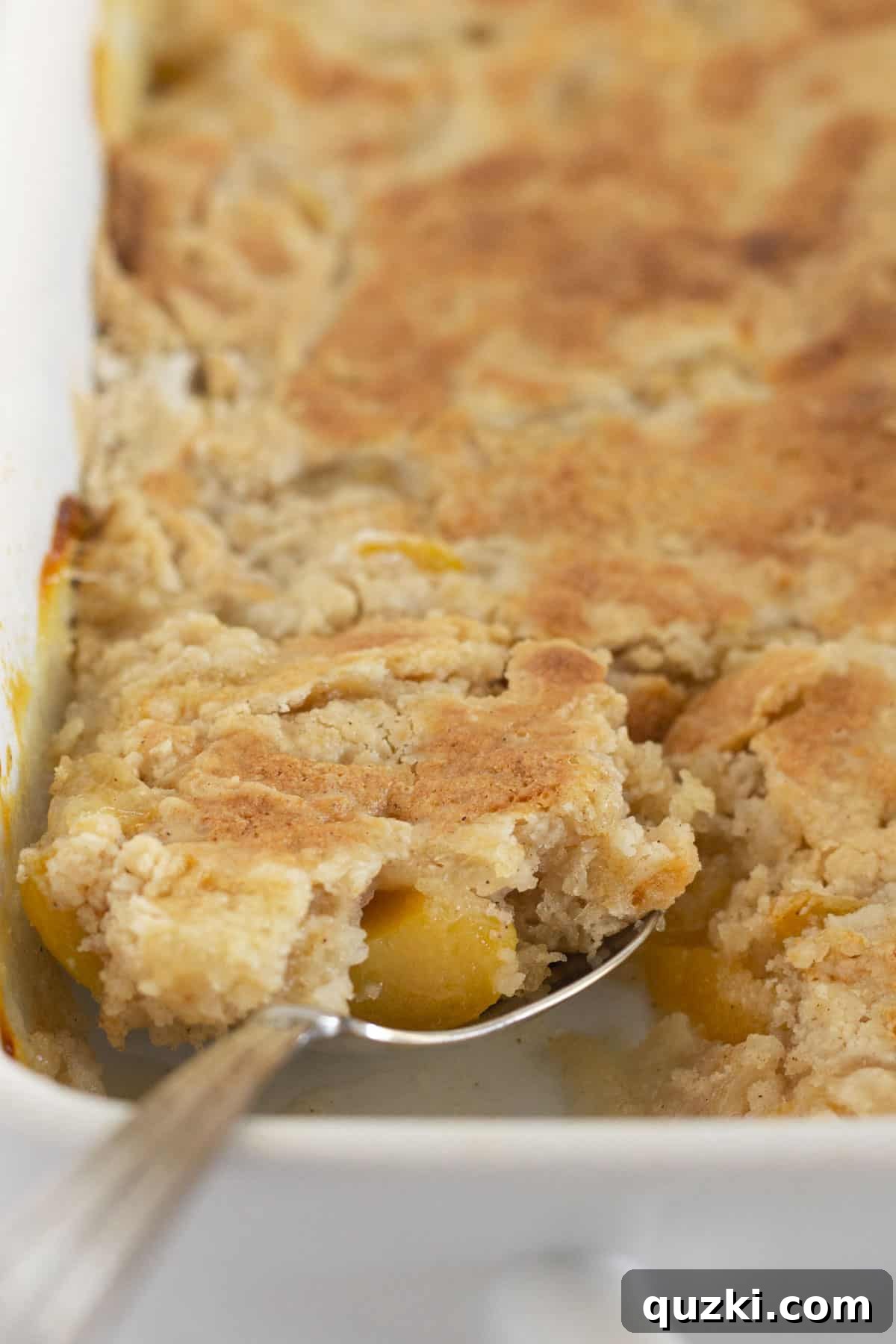
Delicious Recipes That Work with Either Vanilla or White Cake Mix
Desserts
Effortless Tres Leches Cake from a Mix
Cookies
Copycat Crumbl Raspberry Cheesecake Cookies
Cakes
Simple Kentucky Butter Cake Recipe
Breads