
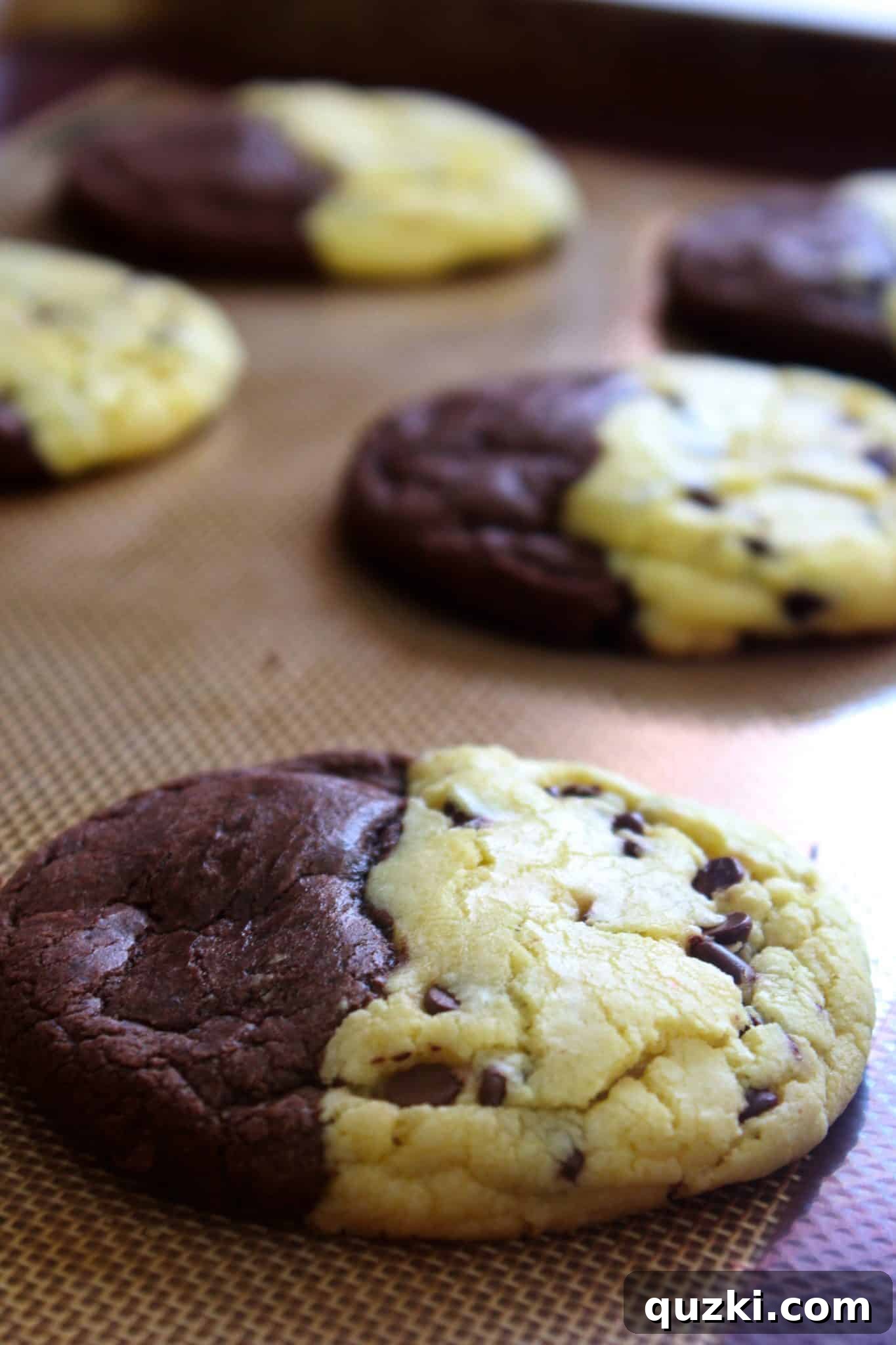
If you’re anything like me, the mere mention of cookies brings a smile to your face. And when those cookies are made from a convenient cake mix, it’s not just about saving precious time; it’s about unlocking a world of delicious possibilities with minimal effort. Cake mix cookies are a true marvel in the baking world – inherently simple, incredibly versatile, and profoundly satisfying. But while they seem straightforward, there are indeed a few professional tricks that can elevate your cake mix cookies from good to absolutely extraordinary. Having personally baked well over a hundred batches, I’ve gathered a wealth of experience on what truly works and what to avoid in pursuit of the perfect cookie. Get ready to transform your baking game and create the most delicious cake mix cookies that will impress everyone!
Whether you’re a seasoned baker looking for a quick and impressive treat or a beginner venturing into the delightful world of homemade cookies, cake mix cookies offer an accessible entry point. They provide a fantastic base for endless customizations, allowing you to experiment with various flavors, mix-ins, and textures. However, without the right techniques, even these simple treats can fall short of their full potential, resulting in cookies that are dry, crumbly, or spread too much. My mission today is to share my tried-and-true secrets, ensuring every batch you bake is consistently soft, wonderfully chewy, and bursting with rich flavor. Forget dense, overly sweet, or bland cookies; these carefully honed tips are designed to help you achieve baking perfection every single time, making you a confident cake mix cookie master.

While the concept of using a boxed cake mix might suggest a process as simple as combining a few ingredients and baking, there’s a subtle art to taking cake mix cookies to the next level. My extensive experience, encompassing countless batches and various cake mix brands, has taught me the nuances that differentiate a mediocre cookie from a truly remarkable one. It’s all about understanding a few key principles that enhance texture, deepen flavor, and improve overall appeal. These aren’t complicated techniques; rather, they are small adjustments that yield significant improvements. Let’s dive into these essential tips and unlock the full potential of your next batch of easy cake mix cookies, transforming them into a delightful experience for your taste buds.
Mastering the Art of Cake Mix Cookies: 7 Pro Tips for Baking Perfection
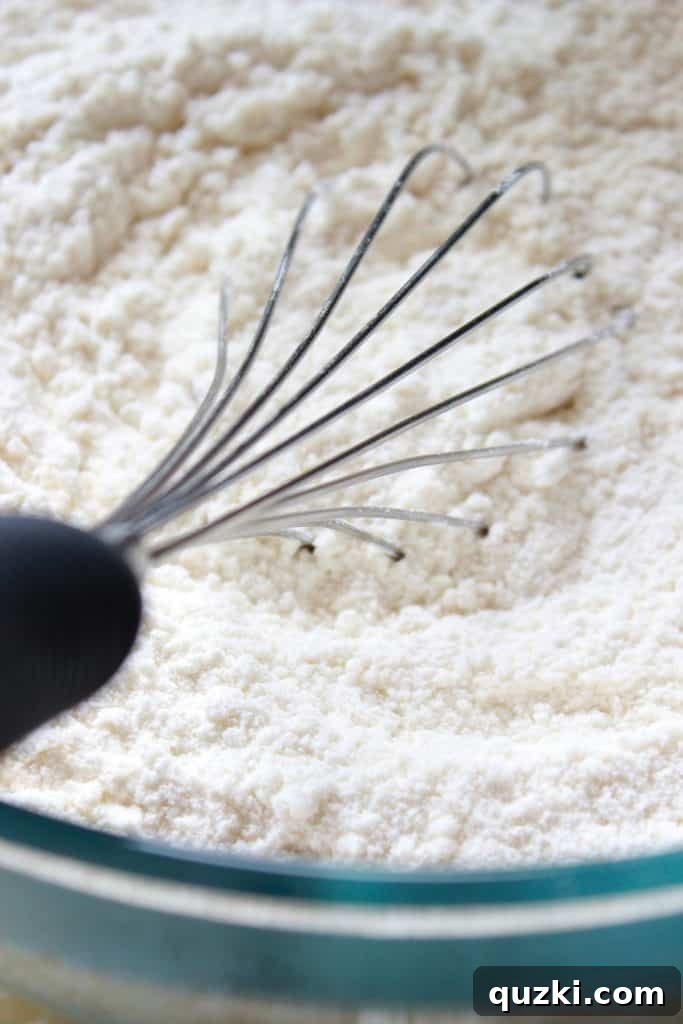
1. Whisk or Sift the Dry Cake Mix Before Adding Wet Ingredients
This seemingly small extra step is an absolute game-changer for achieving uniformly textured, delicious cake mix cookies. Cake mixes, despite their convenient pre-portioned nature, often contain small lumps of dry ingredients that can lead to an inconsistent dough if not addressed. When you take the moment to whisk or sift the dry cake mix thoroughly before introducing any wet ingredients, you’re essentially breaking down these lumps, aerating the mix, and ensuring a smooth, homogeneous base. This crucial preparation prevents unwanted pockets of dry powder in your final dough, which can be notoriously difficult, if not impossible, to fully incorporate once the liquid components are added. A smooth dry mixture sets the stage for a dough that comes together beautifully, bakes evenly, and results in cookies with an irresistibly tender, consistent crumb. This simple act dramatically improves the overall quality and texture of your homemade cake mix cookies.
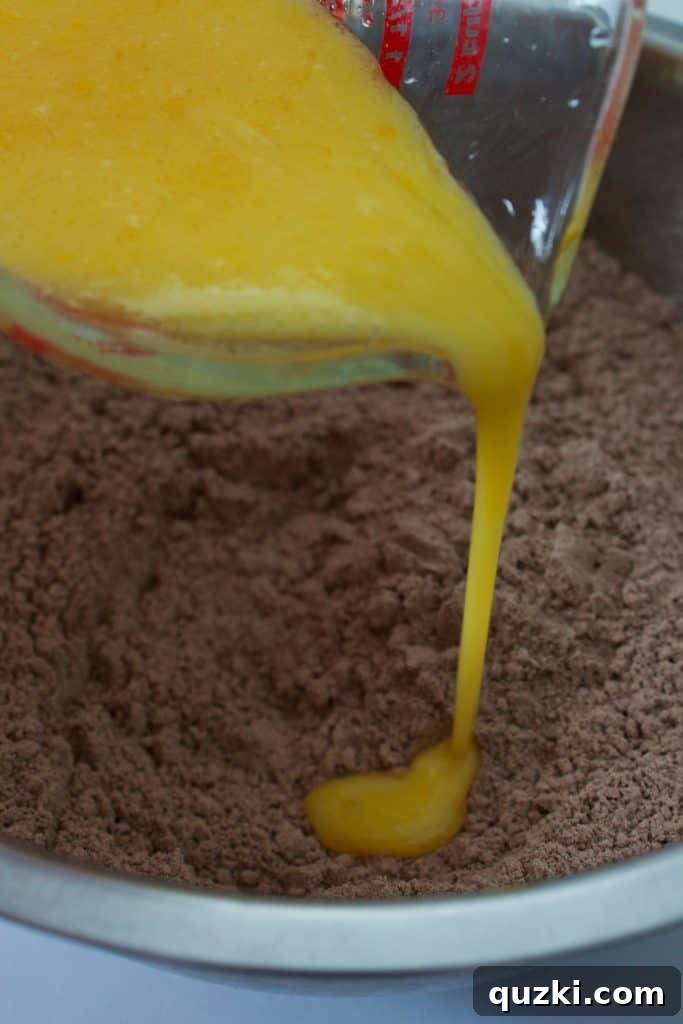
2. Whisk the Eggs Before Adding Them to the Dry Mix
Cake mix cookie dough is renowned for its thick, almost paste-like consistency, which can make incorporating additional ingredients a bit of a challenge. To facilitate a smoother mixing process and ensure the eggs are fully integrated without overworking the dough, it’s highly beneficial to whisk your eggs lightly in a separate bowl before adding them to the dry cake mix. This pre-whisking breaks up the yolks and whites, creating a more uniform liquid that can be more easily and quickly absorbed into the dense dry ingredients. By giving the eggs a head start, you significantly reduce the amount of strenuous mixing required once all ingredients are combined. This, in turn, helps prevent the overdevelopment of gluten, ensuring your cookies remain tender and soft rather than becoming tough or rubbery. This simple trick makes the dough-making process significantly easier and directly contributes to a superior final product: soft, chewy cake mix cookies.
3. Incorporate Vanilla or Other Additions for a Truly Homemade Taste
One common critique of cake mix cookies is that, predictably, they can sometimes taste distinctly like a cake mix. While this isn’t always a drawback, there are many instances when you want to elevate the flavor profile and give your cookies that unmistakable homemade touch. This is where strategic additions come into play! A splash of pure vanilla extract is a classic enhancer, deepening the flavor and masking any artificial notes often present in boxed mixes. But don’t stop there. Consider adding a tablespoon or two of sour cream, cream cheese, or even a pudding mix (in powder form) to introduce richness, moisture, and a more complex flavor dimension that mimics scratch-made cookies. Other fantastic additions include almond extract for a subtle nutty note, a pinch of cinnamon or nutmeg for warmth, fresh lemon or orange zest for brightness, or even a teaspoon of espresso powder to deepen chocolate flavors without making them taste like coffee. These small, thoughtful adjustments transform a simple cookie into a gourmet experience, making them taste as though they were painstakingly made from scratch, full of nuanced and delicious flavors. Experiment with different combinations to discover your signature cake mix cookie recipe and truly impress your family and friends.
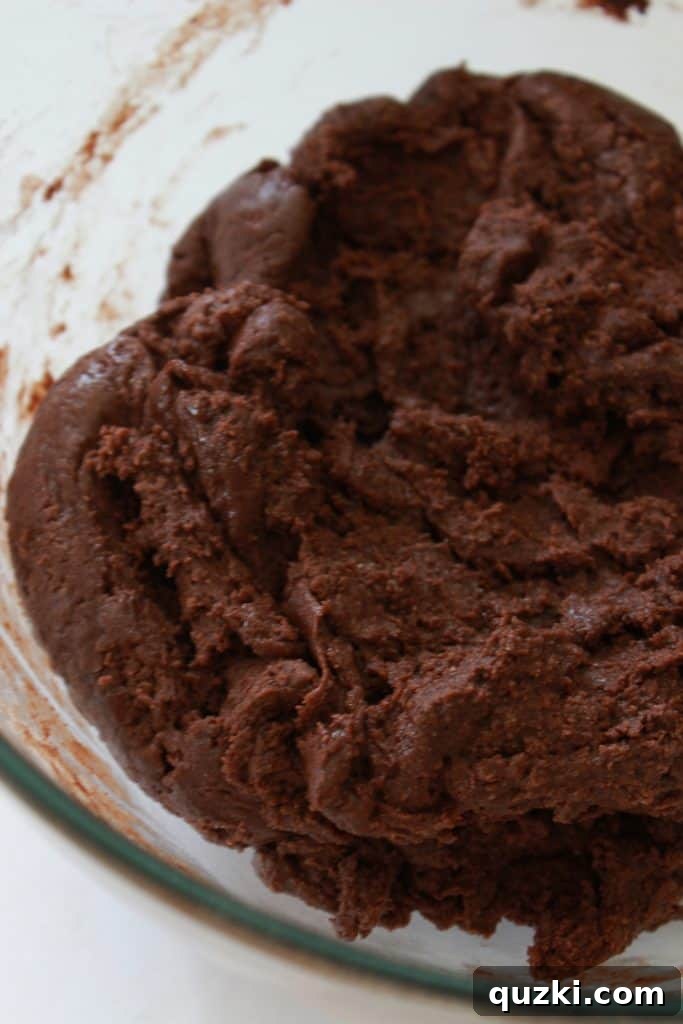
4. Embrace the Thick and Sticky Dough Consistency – It’s Normal!
One of the most frequent questions I receive about baking cake mix cookies revolves around the dough’s consistency: “Is it supposed to be this thick and sticky?” The answer, unequivocally, is YES! Unlike traditional cake batters which are often pourable or easily spoonable, cake mix cookie dough is designed to be much denser and stickier. This is a crucial characteristic because the ingredient ratios have been specifically altered from a typical cake recipe to create a cookie, not a cake. The thickness ensures that your cookies hold their shape, achieve that desired chewy texture, and don’t spread excessively thin during baking, preventing flat, crispy cookies when you’re aiming for soft and chewy. The stickiness is also perfectly normal and is often a sign of a well-hydrated, rich dough. Don’t be tempted to add extra flour, as this can lead to dry, crumbly cookies that lack moisture and tenderness. Trust the process; if the dough wasn’t thick and somewhat sticky, you’d end up with flat, cake-like discs rather than perfectly formed, delicious cookies. Handling sticky dough can be made easier by lightly greasing your hands, using a slightly damp spoon, or employing a cookie scoop, which we’ll discuss next.
5. Utilize a Cookie Scoop for Consistent Sizing and Even Baking
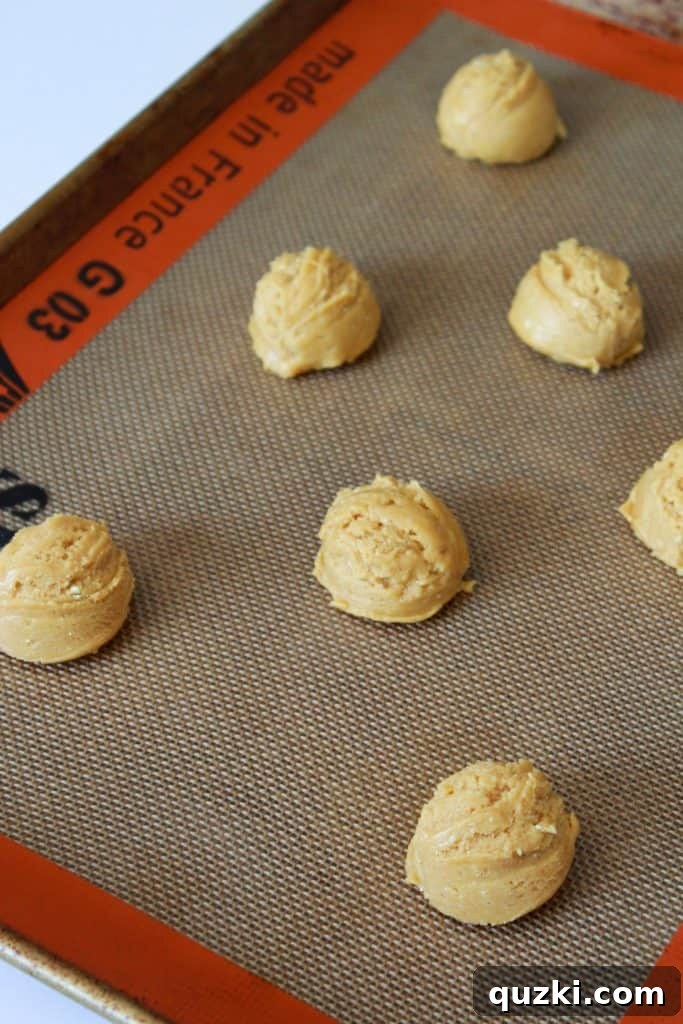
I cannot overstate the importance of this step, especially when baking cake mix cookies. Using a cookie scoop ensures that every single cookie in your batch is roughly the same size and shape. This consistency is vital not just for aesthetics, but more importantly, for incredibly even baking. When cookies vary significantly in size on the same baking sheet, the smaller ones will inevitably bake faster and potentially burn, while the larger ones remain undercooked in the center. A cookie scoop completely eliminates this problem, allowing all your delicious cake mix cookies to bake uniformly. This means no more guessing games with doneness and no sacrificing some cookies for the sake of others. Furthermore, a scoop makes the portioning process much quicker, cleaner, and more efficient, preventing your hands from getting overly sticky with the thick dough. Invest in a good quality cookie scoop – it’s a small tool that yields big results in professional-looking and perfectly baked cookies, ensuring a consistent delightful experience with every bite.
6. Do Not Overbake the Cookies – Timing is Everything!
This is arguably the most critical tip for achieving perfectly soft and chewy cake mix cookies. The margin between a beautifully soft cookie and a hard, unappealing “hockey puck” is incredibly narrow – often just a minute or two can make all the difference. Cake mix cookies can go from perfectly baked to overbaked very quickly, leading to a dry, crumbly, and less flavorful texture. To avoid this common pitfall, it’s crucial to keep a close eye on your oven and err on the side of underbaking. You want to remove the cookies from the oven when their edges are just set and very lightly golden, while the centers still appear slightly soft, even a little doughy. They may not look completely done, but remember, carryover cooking will happen once they’re out of the oven. Trust your instincts and the visual cues; a slight browning on the bottoms is a good indicator, but avoid dark browning unless you prefer a crispier cookie. This careful timing ensures maximum moisture retention, guaranteeing a tender, irresistible chew with every bite of your delicious cake mix cookies.
7. Allow the Cookies to Cool Completely on the Cookie Sheet for at Least 10 Minutes
Following directly from the previous tip about not overbaking, this step is absolutely essential for the perfect setting and texture of your cake mix cookies. When you take the cookies out of the oven, even if their centers still look a bit soft, they are not finished baking entirely. The residual heat from the hot baking sheet continues to cook the cookies gently – a process known as carryover cooking. Allowing them to rest on the cookie sheet for at least 10 minutes (and sometimes even longer, depending on the size and thickness of your cookies) enables them to firm up without drying out. This crucial cooling period allows the internal structure of the cookie to set properly, preventing them from falling apart or becoming fragile when transferred. It also helps achieve that coveted soft, chewy texture that we all desire in a good cookie, as the moisture redistributes throughout the cookie as it cools. Transferring them too soon to a cooling rack can cause them to break, flatten, or become too firm too quickly. Be patient; this resting period is key to that ultimate soft and delightful cookie experience.

By diligently following these seven simple yet incredibly effective tips, your next batch of cake mix cookies will undoubtedly transcend ordinary expectations. What begins as a convenient box mix transforms into something truly special – cookies that are not only easy to make but also boast an irresistible homemade taste, perfect texture, and consistent quality. For me, cake mix cookies hold a deeply cherished place in my heart, embodying the magic of whipping up a delightful treat in just over 30 minutes from start to finish. The speed, simplicity, and endless adaptability make them a go-to for impromptu gatherings, last-minute cravings, or simply a comforting afternoon snack. I hope these insights empower you to create your most wonderful batches yet, turning everyday baking into an extraordinary and delicious experience. Happy baking!
Explore My Favorite Cake Mix Cookie Recipes of All Time:
- Texas Sheet Cake Cookies
- Boston Cream Pie Cookie Bites
- Brookie Cookies
- Peanut Butter Texas Sheet Cake Cookies
- Red Velvet Sandwich Cookies
- Soft & Chewy Easy Chocolate Chip Cookie Bars
- Salted Caramel Butter Cake Cookie Bars
- Mexican Hot Chocolate Cookies
- Red Velvet Kiss Cookies
- Ice Cream Sundae Cookie Bites